

ALL IN AFRICA SAFARIS USA
INTERNATIONAL
info@allinafricasafaris.com
INTERNATIONAL, 24/7 Help Support
USA/CANADA | M-F 9:00 am - 5:00 pm
Gombe National Park, world-renowned for its intimate chimpanzee trekking experiences and for being the long-term research base of Dr. Jane Goodall, is a fragile ecosystem that depends heavily on responsible tourism. Its small size, dense forests and close interaction between humans and primates make it essential for visitors to follow clearly outlined rules and regulations, including the important Rules in Gombe.
These guidelines are designed to protect wildlife, conserve the natural environment and ensure visitor safety. Understanding and respecting these regulations enhances the quality of your visit while helping to preserve this remarkable landscape for future generations. Below are the key rules and regulations, listed separately and explained in detail, along with the penalties applied where relevant.
By adhering to the Rules in Gombe, you can enjoy a safe and enriching experience while contributing to the conservation efforts of this unique environment.

Visitors must keep at least 7 meters between themselves and chimpanzees at all times. Close contact increases the risk of disease transmission between humans and primates, as chimpanzees share over 98% DNA with humans and are highly susceptible to respiratory infections. This is one of the most important rules in Gombe due to the fact that if the chimpanzees got infected, there would be no Gombe National Park.
Penalty: Violating distance rules may lead to immediate termination of the trek without refund or suspension of trekking rights for a defined period.
Another of the rules in Gombe is not feeding the chimpanzees. Feeding chimpanzees or any wildlife interferes with their natural behavior, increases dependency on humans and may trigger aggression. It also exposes them to harmful human foods.
Penalty: Offenders may be fined by park authorities and escorted out of the forest.

Anyone with symptoms such as flu, coughing or fever is prohibited from trekking. This rule in Gombe protects chimpanzees from human-transmitted diseases that could wipe out entire communities.
Penalty: Visitors may be denied entry to trekking activities without a refund.
Visitors must remain on designated trails and obey ranger guidance at all times. Rangers track the chimpanzees, assess safety conditions and help reduce environmental disturbance.
Penalty: Leaving designated routes may result in fines or removal from the trekking group.
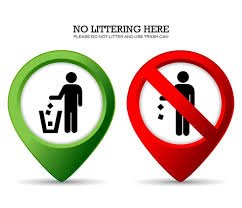
All waste must be carried out of the forest. Litter disrupts the ecosystem and can be harmful if consumed by animals.
Penalty: Heavy fines apply for littering, and offenders may face a ban from future park entry.
Keeping quiet ensures a peaceful environment for wildlife and increases your chances of observing natural behavior. Loud noises can stress animals and disrupt research activities.
Penalty: Rangers may warn or eject visitors who repeatedly violate the noise policy.
Flash photography is strictly prohibited because it can startle chimpanzees and alter their natural actions.
Penalty: Visitors who repeatedly ignore this rule may have their cameras temporarily confiscated for the duration of the trek.
Gombe’s long-term studies make some areas accessible only to researchers. Visitors must not enter these zones for safety and ethical reasons.
Penalty: Unauthorized access to restricted areas may result in fines and expulsion.
Open flames pose a severe threat to the dry forest environment, especially during hot seasons. Smoking is also prohibited within trekking zones.
Penalty: Violators face steep fines and possible arrest due to fire risk.
Chimpanzee viewing time is limited, usually to one hour, for each group. This regulation reduces stress on the primates, prevents overcrowding and allows them to continue normal activities.
Penalty: Overstaying may lead to fines imposed on the entire group or early termination of the trek.
Visitors should avoid breaking branches, picking plants or disturbing the natural habitat. The forest is delicate, and even minor disruptions can have long-term ecological effects.
Penalty: Fines may apply for any environmental damage caused by visitors.
Because the park sits along Lake Tanganyika, some visitors wish to swim, but only specific safe areas are allowed. This prevents accidents and minimizes disturbance to shoreline habitats.
Penalty: Swimming outside designated zones may result in removal from water and possible fines.
It is important to note that if the above rules in Gombe are respected, each visitor will have a nice stay while failure to comply comes with serious consequences. Enjoy your trip to Gombe and do not forget to observe the rules there.


