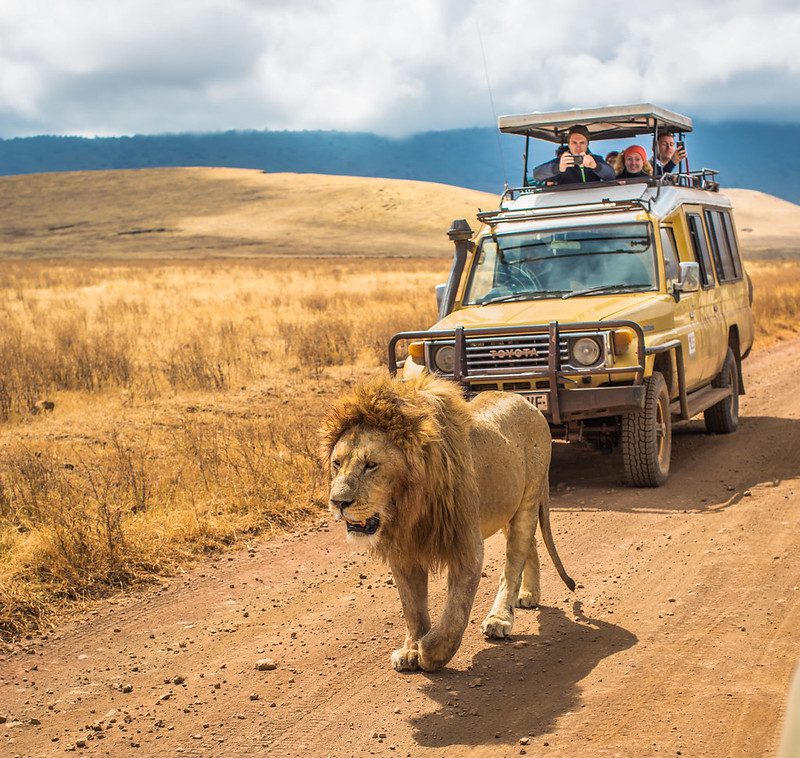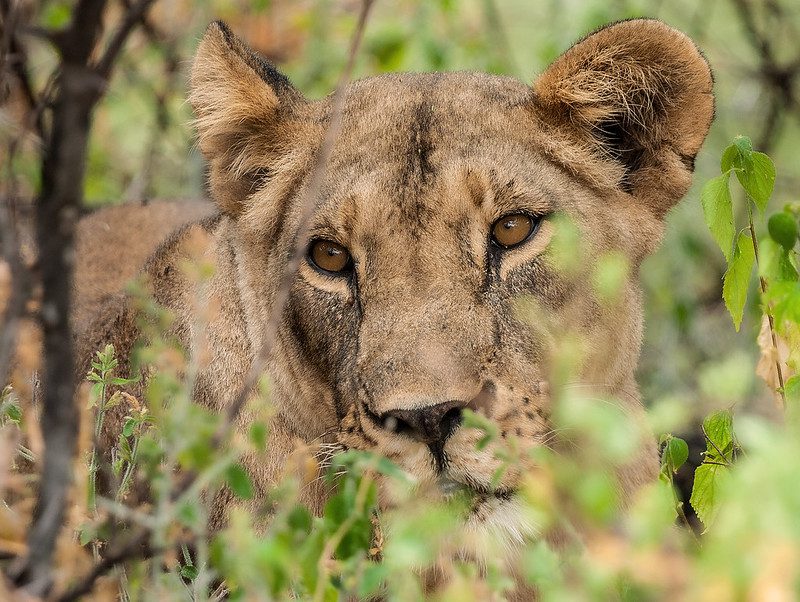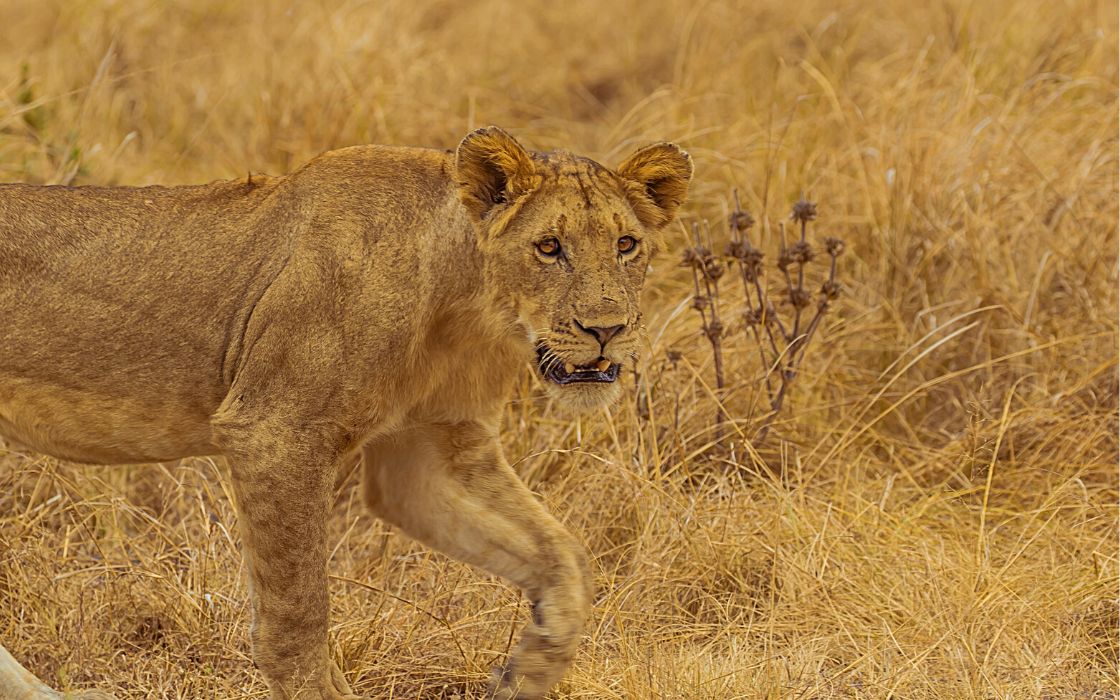
Lion tracking in Uganda is the perfect safari experience for those looking for great wildlife encounters within the African Savannah wilderness. Your escape to Queen Elizabeth National Park will lead you to this exclusive experience, the park boasts a unique mixture of striking landscapes and wildlife, which makes it an ideal home for lions both in the Kasenyi plains and in the famous Ishasha sector that is popular for the tree climbing lions.
The lion tracking in Uganda is a great opportunity for wildlife-focused photographers to meet the rarest encounters within Queen Elizabeth National Park a place of immense beauty with a blend of contrasting wildlife environments. Your day start starts very early in the morning with your expert ranger with gear and tracker to start your pure magic experience….
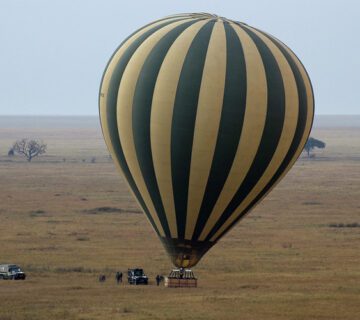
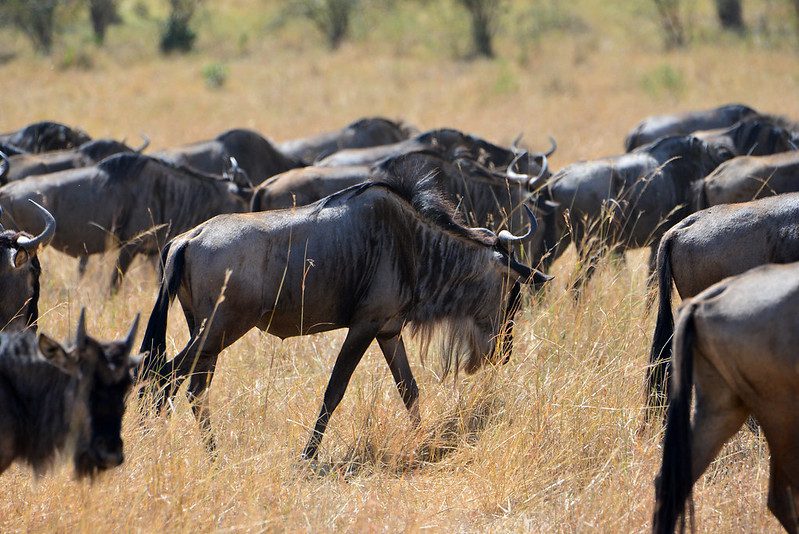
Queen Elizabeth National Park truly is remarkable with incredible sights and sounds of nature that span into the Kazinga Channel with great aquatic life and birds. Combine your lion tracking with an amazing boat safari along the Kazinga Channel or with a Balloon Safari experience giving you an aerial wonderful view of wild game including the elephants, buffalo, warthog, and Impala, giving more spectacular photographic opportunities.
Two favorite wildlife areas in Queen Elizabeth National Park that give the best sighting of lions include the great Kasenyi Plain and the Ishasha section –south of Queen Elizabeth bordering Bwindi Forests, which is popular for Gorilla trekking safaris. Both have their own distinctive beauty and unique landscapes to explore.
Must-dos in Queen Elizabeth include Chimpanzee tracking in Kyambura Gorge, a guided walk in Maramagambo forest, and a night game drive to spot out the nocturnal active mammals. Give your family and loved ones the most sophisticated wildlife experience during your visit to Queen Elizabeth National Park by booking your lion tracking encounter.
The best time to visit Queen Elizabeth National Park for lion tracking is best during June –September and January- March every year. Uganda can be visited all year round as it’s cool and dry the majority of the time. However, the “long rains” in April and May as well as the “short rains” in November and December should be avoided.
How Lion Tracking Actually Works
Unlike a standard game drive, lion tracking in Queen Elizabeth is built around an active research program: several of the park’s lions wear radio collars fitted by wildlife researchers studying pride movement, territory, and behavior. Trackers use handheld receivers to pick up a signal from a collared lion, then guide your vehicle toward the general area before switching to visual tracking for the final approach, an approach that combines genuine science with a far higher chance of a close encounter than a standard drive alone offers. The activity typically runs alongside, not instead of, regular game viewing, so you’ll likely see other wildlife en route to and from the lion sighting itself.
The Tree-Climbing Lions of Ishasha
Ishasha’s lions are famous specifically for a behavior rarely seen elsewhere in Africa: climbing into the branches of large fig trees to rest during the heat of the day. Researchers offer several theories for the habit, escaping biting insects at ground level, catching a cooling breeze at height, or simply a learned behavior passed down within specific prides, but no single explanation has been definitively confirmed. Spotting a lion draped over a horizontal branch several meters up is one of Uganda’s most photographed wildlife moments, and Ishasha remains one of only two places in Africa, alongside Tanzania’s Lake Manyara, where the behavior is reliably observed.
Kasenyi Plains vs. Ishasha: Choosing Your Sector
Kasenyi, in the park’s northern section, offers more classic open-savanna lion sightings, prides resting in grassland or stalking through the plains, and sits closer to the park’s main lodges, making early-morning access easier. Ishasha, further south and closer to the Bwindi gorilla-trekking region, is the place to go specifically for the tree-climbing behavior, though sightings of lions actually in the trees aren’t guaranteed on any given day. Many itineraries include both, pairing Kasenyi’s more reliable general lion viewing with a stop at Ishasha en route to or from gorilla trekking.
Best Time and Practical Tips
Early morning departures, often before sunrise, give the best odds of a sighting, since lions are most active during the cooler hours and radio-collar signals are easier to track before the day’s heat sets in. The dry months, June through September and January through March, offer firmer roads and better overall game visibility, though lion tracking itself runs year-round given the activity’s reliance on radio telemetry rather than purely visual spotting.
Conservation Research Behind the Program
The collaring program underpinning lion tracking in Queen Elizabeth exists primarily for conservation research, monitoring a lion population that has faced real pressure from habitat loss, human-wildlife conflict, and historically from poaching. Tourist lion-tracking fees contribute directly to funding this research, meaning the experience doubles as a genuine contribution to the park’s long-term lion conservation efforts rather than being purely a novelty activity layered on top of standard game viewing.
What a Lion Tracking Morning Looks Like
The activity begins well before sunrise with a briefing at your lodge or the park headquarters, where a researcher or trained ranger explains the radio-telemetry equipment and what to expect during the search. From there, the vehicle heads out into either Kasenyi or Ishasha, scanning for a collar signal while also watching for general wildlife activity along the way, buffalo herds, elephant, and the park’s varied antelope species are all common sightings during the search itself. Once a signal is picked up, the approach slows considerably, both to avoid disturbing the pride and to give the ranger time to position the vehicle for the best possible viewing angle once the lions come into sight.
Photography Considerations
Early morning light, the same conditions that make lion tracking most effective, also happens to be the best light for photography, soft, warm, and low-angle rather than the harsh overhead sun of midday. A telephoto lens in the 200 to 400mm range covers most lion sightings well, since vehicles maintain a respectful distance from any pride, and a fast shutter speed is worth having ready in case of any sudden movement, a yawn, a shift in position, or interaction between pride members.
Queen Elizabeth’s Wider Ecosystem
Lion tracking is just one activity within a park known for genuine ecological diversity: the Kazinga Channel connecting Lakes Edward and George supports one of Africa’s largest hippo concentrations alongside excellent birdlife, while Kyambura Gorge offers a completely different, forested habitat for chimpanzee tracking within the same broader park boundary. This variety is part of why Queen Elizabeth remains one of Uganda’s most-visited parks, travelers can combine open-savanna predator tracking, wetland boat safaris, and forest primate encounters without leaving a single protected area.
Where to Stay for Lion Tracking
Lodges cluster near both the Kasenyi and Ishasha sectors, and which you choose largely depends on which sector your itinerary prioritizes, staying near Kasenyi suits travelers focused on classic lion and general game viewing close to the Kazinga Channel, while a lodge near Ishasha suits those combining lion tracking with a Bwindi gorilla trekking extension, given the sector’s more southerly location. Booking accommodation in the correct sector cuts down on early-morning transfer time before the pre-dawn tracking departure.
Combining Lion Tracking With a Longer Uganda Itinerary
Queen Elizabeth sits roughly central within Uganda’s main safari circuit, making it a natural link between Kibale Forest’s chimpanzee trekking to the north and Bwindi’s gorilla trekking to the south. A common itinerary structure spends a day or two on lion tracking and general game viewing in Queen Elizabeth, then continues south to Bwindi, giving travelers savanna predators, forest primates, and mountain gorillas within a single well-paced road route rather than requiring separate trips.
What Makes This Activity Worth the Early Start
The pre-dawn wake-up required for lion tracking is a genuine ask, but the payoff, a close, research-backed encounter with one of Africa’s most sought-after predators, in a park already known for its unusual tree-climbing lion behavior, is consistently rated by past guests as one of the highlights of a Uganda safari. Combined with the broader research and conservation angle, tourist fees directly funding the collaring and monitoring program, lion tracking offers a genuinely different kind of value than a standard game drive alone, and it’s an activity most past guests say they’d happily do again on a return visit.
Frequently Asked Questions About Lion Tracking
Is lion tracking safe? Yes, the activity is conducted from within your vehicle at all times, with rangers experienced in reading big cat behavior and maintaining a respectful distance throughout the search and sighting.
Are sightings guaranteed? No wildlife sighting is ever truly guaranteed, but the radio-collar system gives lion tracking meaningfully better odds than searching visually alone, and most tracking outings do result in a sighting.
Can children participate? Yes, lion tracking is suitable for families, though the early departure time is worth factoring in when traveling with younger children.
How is this different from a standard game drive? A standard game drive covers general wildlife viewing across the park, while lion tracking is a dedicated activity specifically focused on locating a collared pride using radio telemetry, typically booked as an add-on alongside your broader game drives.
Ready to add lion tracking to your Uganda itinerary? All in Africa Safaris can confirm current availability at both Kasenyi and Ishasha when you’re planning your dates.