Kibale Forest National Park, in western Uganda, is well-known for chimp trekking and monkey encounters. Here’s how to go to Kibale Forest National Park to begin on this wonderful adventure.
1. Fly to Entebbe International Airport (EBB)
- Start your journey by booking a flight to Entebbe International Airport, the main international gateway to Uganda.
2. Domestic Flight to Kasese Airstrip
- From Entebbe International Airport, you can book a domestic flight to Kasese Airstrip, the nearest airport to Kibale Forest National Park. Several airlines operate flights on this route.
3. Road Transfer to Kibale Forest
- Once you arrive at Kasese Airstrip, you’ll need to arrange ground transportation to Kibale Forest National Park, which is approximately a 2 to 3-hour drive away.
- You can hire a private driver or utilize shuttle services or transfers offered by All in Africa Safaris.
4. Public Transportation
- Alternatively, you can use public transportation, such as buses or matatus, to get to Kibale Forest National Park. Buses typically operate from major towns like Kampala and Fort Portal to nearby towns or villages, from where you can arrange further transport to the park.
5. Guided Tours and Packages
- All in Africa Safaris offers guided tours and packages that include transportation, accommodation, permits, and guided chimpanzee trekking experiences in Kibale Forest National Park. This is a convenient option for those looking for a hassle-free experience.
6. Chimpanzee Trekking Permits
- Don’t forget to secure your chimpanzee trekking permit in advance. Permits are required to enter the park and track chimpanzees, and it’s advisable to book them well ahead of your planned visit, as they have limited availability.
7. Accommodations
- Kibale Forest National Park offers a range of accommodation options, including lodges and campsites, to suit various budgets and preferences. It’s a good idea to book your accommodations in advance, especially during the high season.
Remember that road conditions in Uganda might vary, so expect some rough drives, particularly in isolated locations. Check All in Africa Safaris to guarantee a smooth and comfortable chimp trekking experience in Kibale Forest National Park.
What to Expect on the Trek Itself
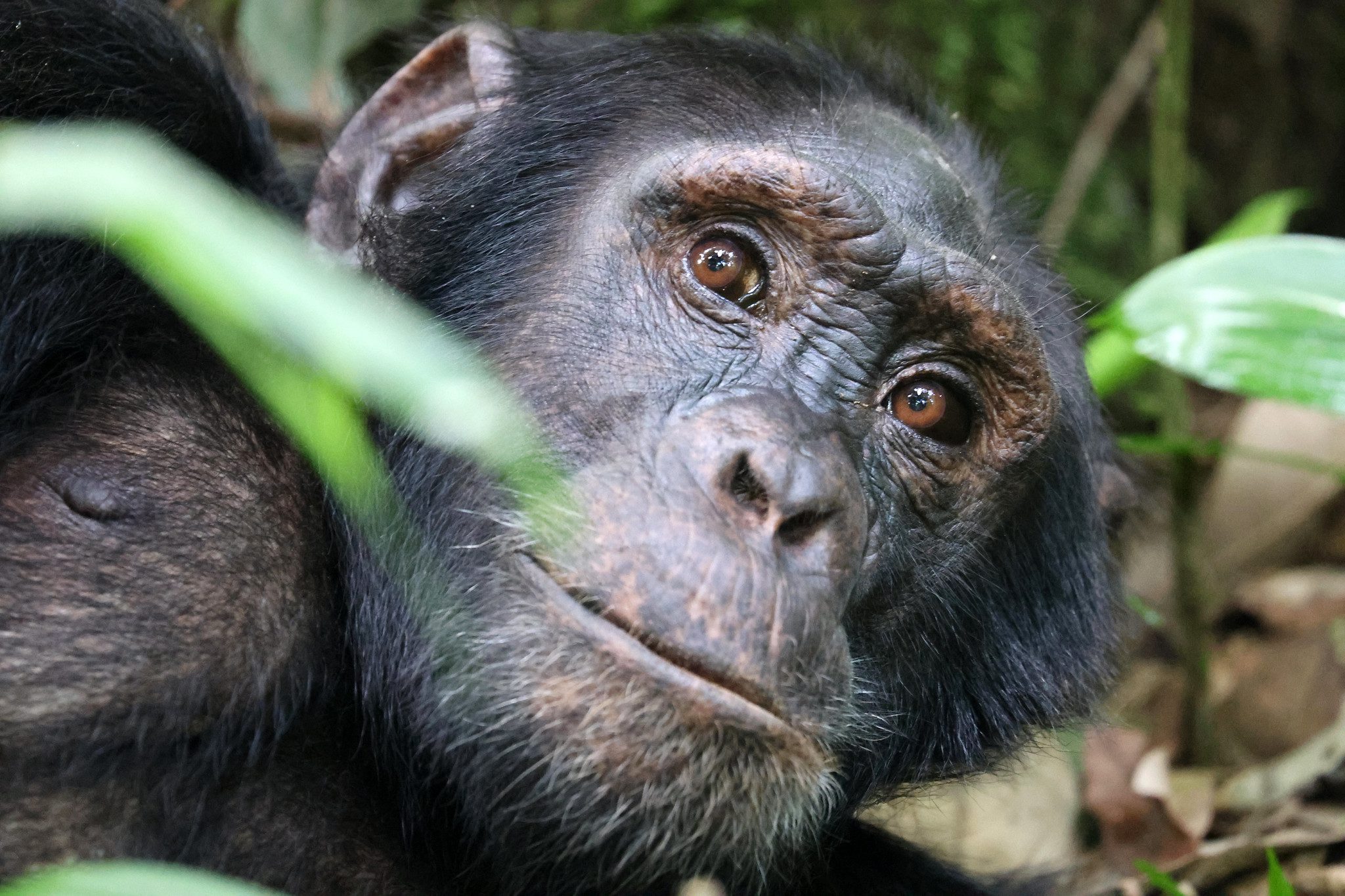
Chimp treks in Kibale start with an early-morning briefing at park headquarters, typically around 6:00 or 8:00am, where rangers assign trekkers to a team based on recent chimp movement reports. From there, the search can take anywhere from thirty minutes to a few hours; Kibale’s chimps aren’t habituated to stay in one place the way gorillas are, so trackers follow calls and fresh signs through the forest. Once you locate a group, you’re given up to an hour in their presence, watching them feed, groom, and move through the canopy, often accompanied by the loud, unmistakable pant-hoot calls chimps use to communicate across the forest.
Kibale’s Other Primates
Chimpanzees are the headline draw, but Kibale is home to 12 other primate species, giving it one of the highest primate densities in Africa. Look out for L’Hoest’s monkeys, red colobus, black-and-white colobus, grey-cheeked mangabeys, and blue monkeys, several of which are commonly seen without any special effort during the walk in to your chimp trek. This density is also why Kibale pairs so well with a broader Uganda wildlife itinerary, a single forest walk can turn up half a dozen primate species beyond the chimps themselves.
Best Time to Visit Kibale
Chimp trekking runs year-round since the forest doesn’t experience the extreme seasonal shifts of Uganda’s savanna parks, but the dry stretches, December to February and June to August, offer firmer, less muddy trails. The wetter months bring a quieter forest with fewer visitors and lush, vivid scenery, though be prepared for slippery underfoot conditions and a higher chance of rain interrupting your morning.
Where to Stay Near Kibale
Accommodation options cluster around the park’s Kanyanchu visitor center and the nearby town of Fort Portal, ranging from simple guesthouses to upscale forest lodges with private verandas overlooking the canopy. Staying close to the park headquarters cuts down on early-morning transfer time before the trek briefing, worth prioritizing if you want to maximize rest before an active day in the forest.
The Chimpanzee Habituation Experience
Travelers who want more than the standard hour can book Kibale’s habituation experience, which places you with researchers and trackers working with a community that isn’t yet fully accustomed to tourist visits. Sessions start earlier, often before dawn, and can run for up to four hours, giving a much deeper look at chimp behavior, from morning nest-leaving to feeding and social interaction, than the standard trek allows. It’s a pricier, more involved option, but one that appeals strongly to serious wildlife photographers and travelers who’ve already done a standard trek elsewhere and want a more immersive follow-up.
Fitness and What to Expect Physically
Kibale’s terrain is generally gentler than Bwindi’s steep gorilla-trekking trails, mostly flat to rolling forest paths rather than punishing inclines, which makes it accessible to a wider range of fitness levels. That said, the unpredictable duration of the search, sometimes a short walk, sometimes several hours through humid, uneven forest, means reasonable fitness and sturdy, broken-in footwear still matter. Insects, including safari ants and occasional biting flies, are part of the forest environment, so long sleeves and trousers are worth wearing regardless of the heat.
Combining Kibale With Queen Elizabeth National Park
Kibale sits close enough to Queen Elizabeth National Park, roughly two to three hours by road, that the two are almost always paired on a Uganda itinerary: forest primates in Kibale, then open savanna game drives, boat cruises on the Kazinga Channel, and tree-climbing lions in Queen Elizabeth. This pairing is one of the most popular short combinations in the country precisely because it delivers two completely different wildlife experiences without a long transfer between them. All in Africa Safaris can help build a Kibale and Queen Elizabeth itinerary around your travel dates.
Bigodi Wetland Sanctuary: A Worthwhile Add-On
Just outside Kibale’s main entrance, the community-run Bigodi Wetland Sanctuary offers a shorter, more affordable walk through papyrus swamp and forest edge habitat, home to eight primate species and excellent birdlife, including several species rarely seen inside the main park. It’s a popular way to fill an afternoon after a morning chimp trek, and because it’s community-managed, the entrance fees go directly toward local development projects rather than national park revenue, an easy way to put tourism dollars directly into the community bordering the forest.
Permit Costs and Booking Timelines
Chimpanzee trekking permits in Kibale are generally more available on shorter notice than gorilla permits, but during Uganda’s peak travel months, June through September and December through February, popular time slots can still sell out weeks ahead. Booking through a tour operator rather than applying independently is the more common route, since an operator can bundle the permit with transport, accommodation, and a driver-guide, and can adjust plans if your schedule shifts before departure.
What Rangers Look For Before Assigning Your Trek
At the morning briefing, rangers typically ask about fitness level, prior trekking experience, and any physical limitations before assigning trekkers to a tracking team, since some mornings involve a short, easy walk while others require a longer push through denser forest depending on where the chimps were last located. Being upfront about your fitness level and pace preferences at this stage genuinely helps rangers put together a better-matched group, rather than pairing a slower walker with a team chasing a fast-moving troop deep in the forest.
Photography in Kibale’s Forest Light
Forest photography brings its own challenges compared to the open light of a savanna game drive: dense canopy cover means lower light levels even at midday, and chimps rarely sit still for long, so a camera capable of good low-light performance and a reasonably fast shutter speed makes a real difference. Many photographers find a mid-range zoom, roughly 100 to 300mm, more useful here than the long telephoto lenses suited to distant savanna wildlife, since chimp encounters often happen at surprisingly close range once you’re with the group.
Rainy-Season Trekking
Trekking during Kibale’s wetter months isn’t something to avoid outright, chimps remain just as active and sightings just as likely, but it does mean muddier trails, higher humidity, and a greater chance of a shower interrupting part of your morning. A good rain jacket, gaiters or waterproof boots, and a dry bag for camera equipment turn a rainy trek from an ordeal into simply a different, greener version of the same rewarding experience, and the quieter trails during this period are a genuine trade-off worth considering for travelers who value solitude over guaranteed dry conditions.
Final Thoughts on Planning Your Kibale Trip
Getting to Kibale Forest National Park takes a bit more coordination than a straightforward drive from Entebbe, but the combination of flight, road transfer, and guided packages laid out above means the logistics are well-established and manageable with the right planning. Whether you fly into Kasese or drive the whole way, booking your chimpanzee permit and accommodation well ahead of your travel dates remains the single most important step in securing the trip you actually want.