
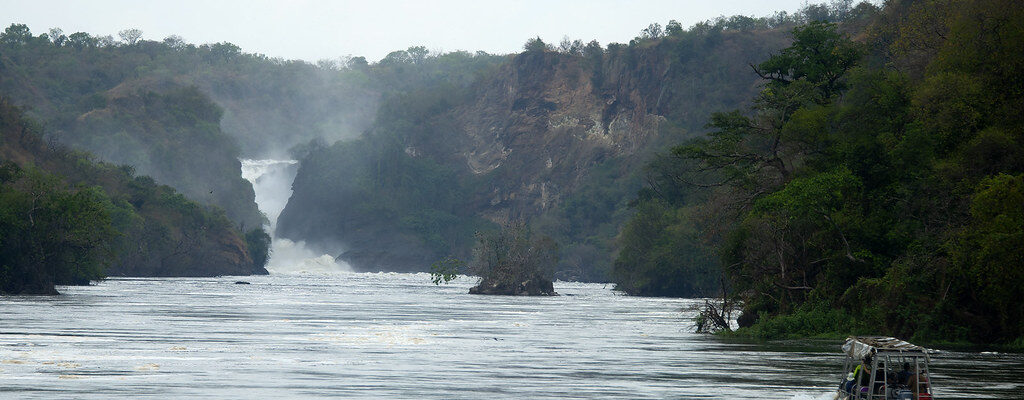
3 Days Murchison Falls Safari
Overview
The 3 Days Murchison Falls Safari is one of Uganda’s most popular wildlife adventures, taking you to the country’s largest and oldest national park. Murchison Falls National Park is famous for its abundant wildlife, spectacular landscapes, and the mighty Murchison Falls where the River Nile forces itself through a narrow 7-meter gorge before plunging into a powerful cascade below.
This safari combines exciting game drives, a boat cruise on the Nile, rhino tracking at Ziwa Rhino Sanctuary, and a visit to the top of the falls. Visitors have opportunities to see elephants, lions, giraffes, buffaloes, hippos, crocodiles, antelopes, and hundreds of bird species in one of East Africa’s most remarkable wildlife destinations.
Safari Highlights
- Rhino tracking
- Nature walks
- Game drive
- Boat cruise
Detailed Itinerary
Day 1: Transfer to Murchison Falls National Park via Ziwa Rhino Sanctuary
Your safari begins with an early morning departure from Kampala or Entebbe. Drive north through Uganda’s countryside towards Ziwa Rhino Sanctuary, the only place in Uganda where wild rhinos can be tracked on foot.
Upon arrival, enjoy a guided rhino tracking experience led by experienced rangers. You will walk through the sanctuary while learning about rhino conservation and observing these magnificent animals at close range.
After lunch, continue to Murchison Falls National Park. Upon arrival, visit the top of Murchison Falls where the Nile squeezes through a narrow gorge before crashing down with incredible force. Enjoy the spectacular views and photography opportunities before proceeding to your lodge.
Accommodation: Pakuba Safari Lodge / Murchison River Lodge / Fort Murchison / Hornbill Bush Lodge
Meal Plan: Lunch and Dinner
Day 2: Morning Game Drive, Nile Boat Cruise and Top of the Falls Visit
Wake up early for a morning game drive across the northern sector of Murchison Falls National Park, the park’s most wildlife-rich area.
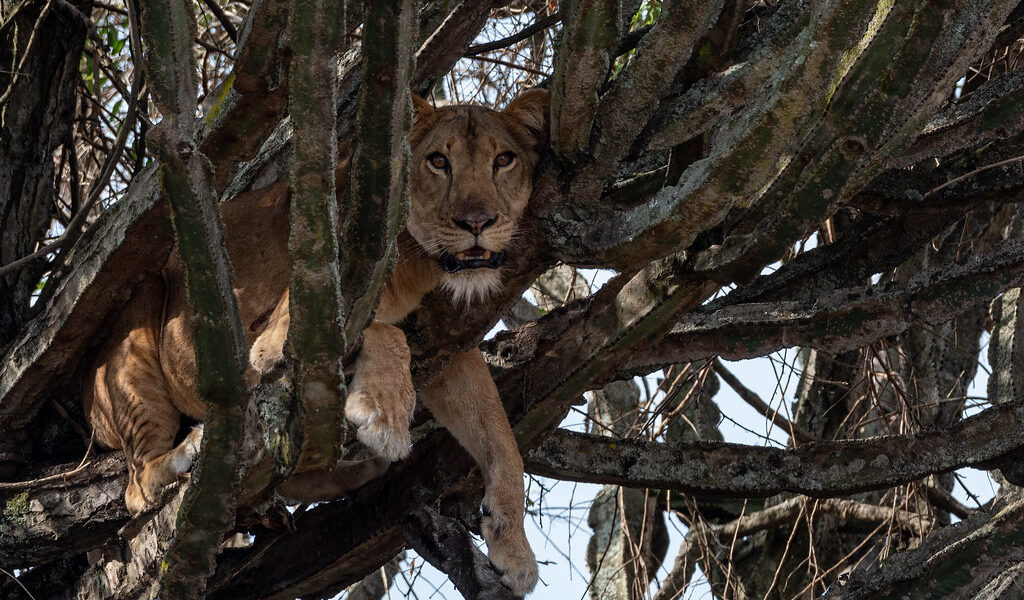
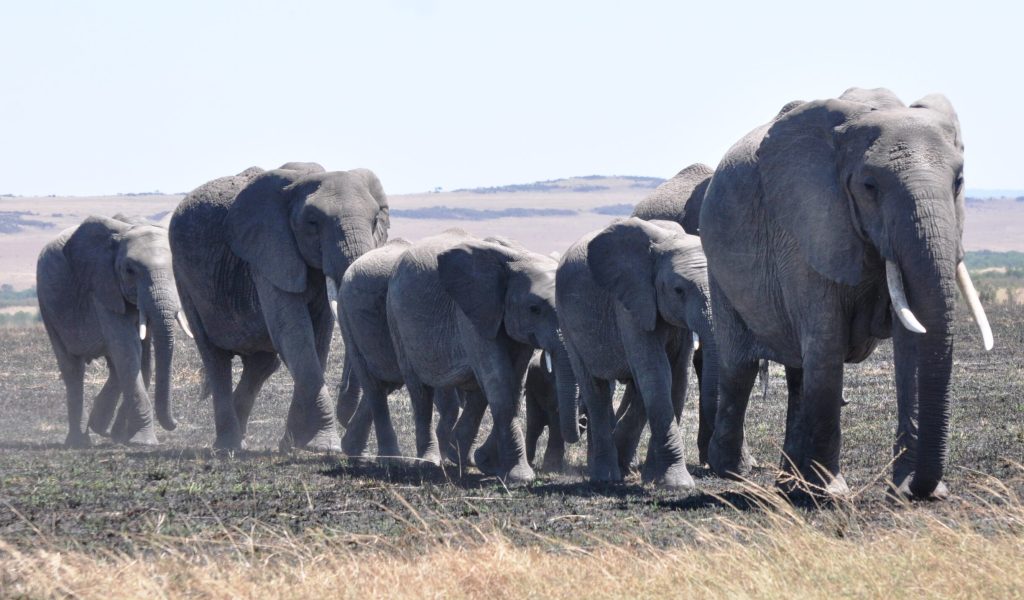
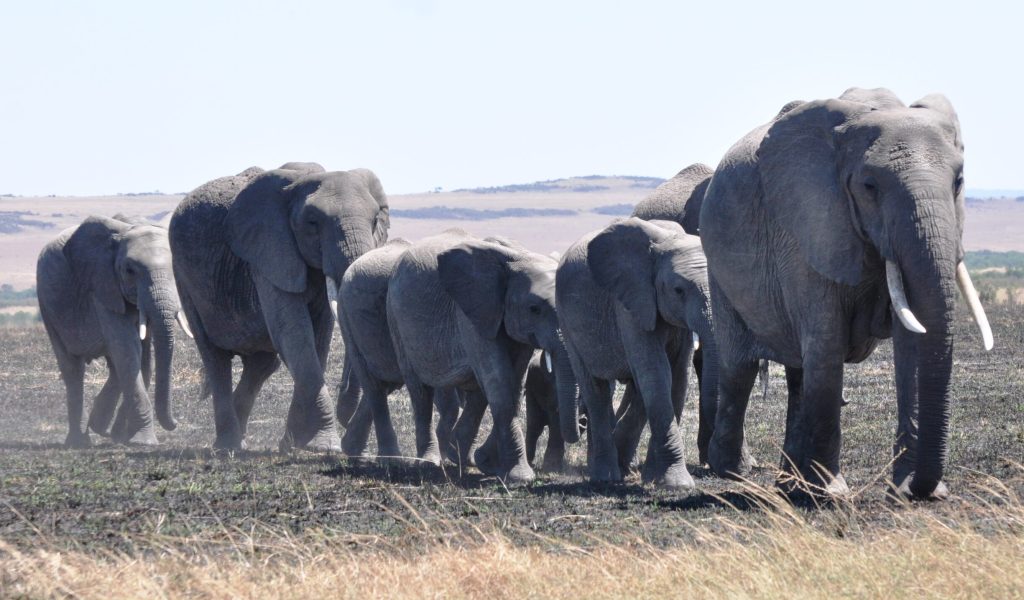
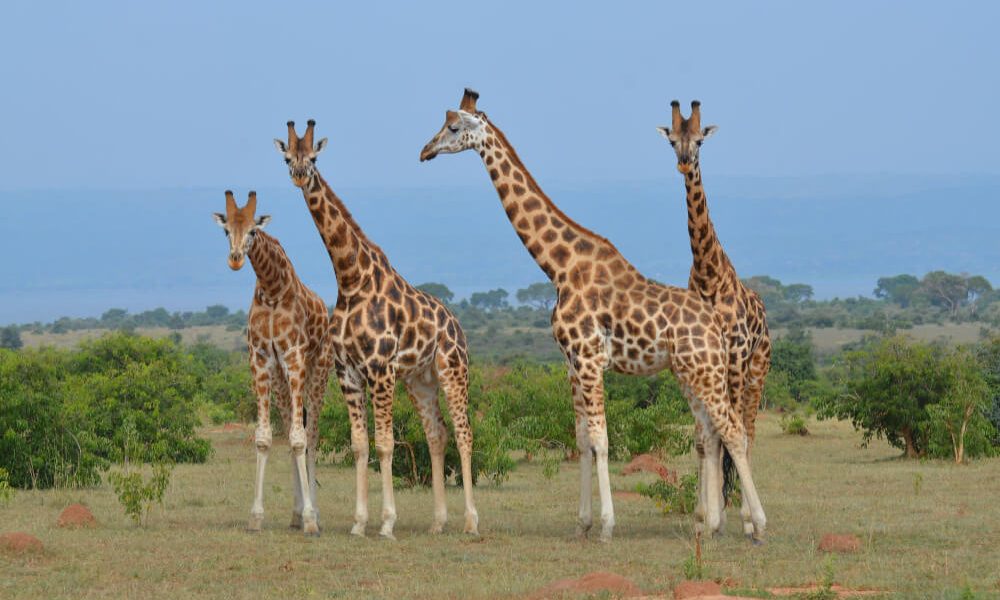
During the game drive, search for elephants, lions, Rothschild’s giraffes, buffaloes, Jackson’s hartebeests, Uganda kobs, waterbucks, oribis, and numerous bird species. Predators such as leopards and hyenas may also be spotted.
Return to the lodge for lunch before heading to Paraa for the famous afternoon boat cruise on the River Nile. The cruise takes you upstream to the base of Murchison Falls and offers excellent wildlife viewing opportunities.
Along the riverbanks, you may see large pods of hippos, Nile crocodiles, elephants, buffaloes, and a variety of water birds including African fish eagles, kingfishers, bee-eaters, and herons.
The boat stops near the base of the falls, providing incredible views of the water as it crashes through the narrow gorge above.
Return to the lodge for dinner and overnight.
Accommodation: Pakuba Safari Lodge / Murchison River Lodge / Fort Murchison / Hornbill Bush Lodge
Meal Plan: Breakfast, Lunch and Dinner
Day 3: Return to Entebbe or Kampala
After breakfast, check out and begin your return journey to Kampala or Entebbe.
Enjoy scenic views of rural Uganda as you travel south. A lunch stop will be made along the way before continuing to your final destination.
Arrive in Kampala or Entebbe in the late afternoon or evening, marking the end of your safari.
Accommodation: No Overnight Accommodation
Meal Plan: Breakfast and Lunch
Optional Activities
Murchison Falls National Park
- Hot Air Balloon Safari
- Nile Delta Boat Cruise
- Sport Fishing on the Nile
- Bird Watching Safari
- Nature Walks
- Community Cultural Visit
- Sunrise Photography Safari
- Night Game Drive
- Hiking Around Murchison Falls
- Bush Breakfast Experience
Tour Includes(3 Days Murchison Falls)
- Travel in a 4×4 car
- Professional guide
- Park fees
- Accommodation
- Meals
- All Activities In Itinerary
Tour Excludes
- Alcoholic drinks
- Laundry
- Tips
- Shopping
- Insurance
- Anything not included per itinerary
The Power of Murchison Falls
Murchison Falls is the centerpiece of this itinerary and one of East Africa’s most dramatic natural landmarks. Here the entire Nile River, already immense by the time it reaches this point, is forced through a gap barely seven meters wide before plunging 43 meters into the gorge below with tremendous force, making it the most powerful waterfall along the Nile’s entire length.
A typical visit combines viewing the falls from the top, reached by a short, steep hike, with a boat cruise along the Nile toward the base of the falls, passing large pods of hippo, basking crocodiles and dense birdlife along the riverbanks before the falls come into dramatic view from the water.
Game Drives North of the Nile
Murchison Falls National Park’s savannah, north of the river, holds healthy populations of elephant, buffalo, giraffe and lion, with game drives typically run in the cooler early morning and late afternoon hours when wildlife activity peaks. The park’s rolling grassland and borassus palm-dotted landscape gives a genuinely different game-viewing backdrop from Uganda’s more forested southern parks.
Because the park sits at lower elevation than Uganda’s primate-trekking destinations, wildlife viewing here complements a gorilla or chimpanzee-focused trip well, giving travelers the classic savannah game drive experience alongside primate encounters elsewhere in the country.
Getting There and Practical Notes
Murchison Falls sits roughly four to five hours by road from Kampala or Entebbe, or a shorter scheduled flight to the park’s airstrip for travelers wanting to save road time. A Uganda e-visa or East Africa Tourist Visa, arranged before travel, is required for most nationalities, along with a yellow fever vaccination certificate if arriving from a country with risk of transmission. Travel insurance covering trekking or wildlife activities and medical evacuation is strongly recommended, and malaria prevention is worth discussing with a travel health clinic ahead of your trip, particularly given this itinerary’s mix of forest and lower-altitude savannah environments.
US dollars printed after 2009 are widely accepted for park fees, permits and lodge bills, while Ugandan shillings are more practical for tips, markets and smaller day-to-day purchases. Mobile network coverage is generally reliable at lodges and along main routes but becomes patchy inside the parks themselves.
Booking Notes, Tipping and Who This Suits
Because permits and lodge availability are limited, particularly during the June to September and December to February peak seasons, we recommend booking this itinerary at least three to four months in advance for peak-season travel, with some flexibility possible for shoulder-season dates.
Tipping is customary though not compulsory across this itinerary. Rangers and trackers typically receive a tip at the end of any trekking activity, scaled to group size, while your driver-guide is usually tipped separately at the end of the full trip. We’re glad to advise on typical tipping ranges when you book.
This itinerary is a strong standalone choice for travelers whose primary interest is classic savannah game viewing and the dramatic scenery of Murchison Falls itself, rather than primate trekking. It also works well as an add-on to a longer Uganda circuit that includes gorilla or chimpanzee trekking further south, giving genuine range across forest and savannah ecosystems within a single trip.
For travelers who enjoy river-based activities, an early morning or sunset version of the Nile boat cruise offers different light and wildlife activity than the standard midday departure, worth discussing with your operator if timing flexibility matters to you.
Vehicle and Photography Notes
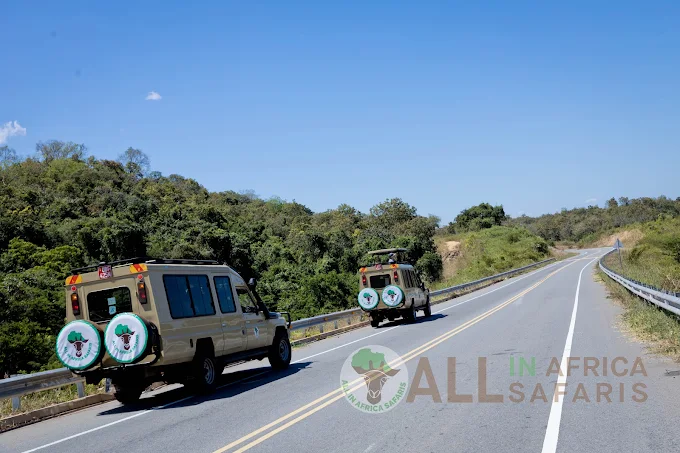
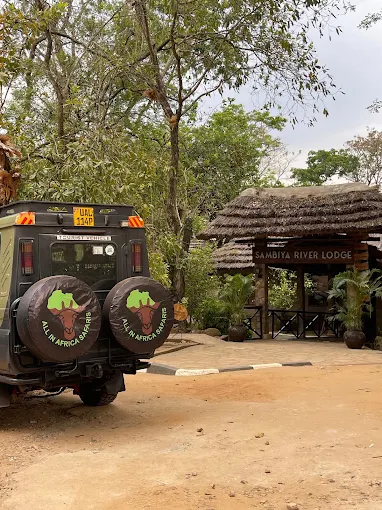
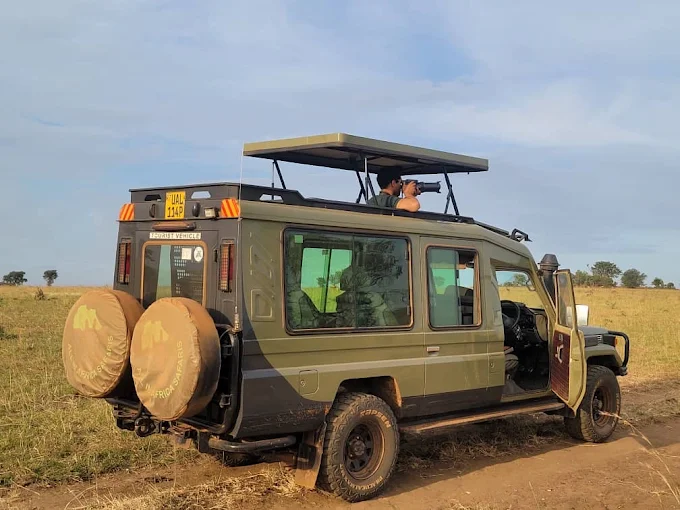
A private 4×4 safari vehicle with a pop-up roof is used throughout this itinerary, suited to both game-viewing tracks and the region’s paved and unpaved connecting roads, with an experienced English-speaking driver-guide accompanying you for the full trip.
Photography opportunities span the falls themselves, best captured from the viewpoint above the gorge, and the wider wildlife and birdlife visible during the Nile boat cruise, worth carrying a versatile zoom lens to cover both.
Currency Notes
US dollars printed after 2009 are widely accepted for park fees, the boat cruise and lodge bills, while Ugandan shillings are more practical for tips and smaller purchases near the park.
Game Drives in Murchison Falls National Park
North of the Nile, the open savannah of Murchison Falls National Park supports healthy populations of Rothschild’s giraffe, Jackson’s hartebeest, oribi, and large herds of buffalo, along with elephants and, with a bit of luck, lion. Morning game drives are generally the most productive, when temperatures are cooler and animals are more active before retreating to shade later in the day. The park’s delta area, where the Nile meets Lake Albert, is also a strong spot for shoebill stork sightings, a prehistoric-looking bird that draws dedicated birders from around the world. As Uganda’s largest national park, distances between game-viewing circuits are considerable, so most visitors spend at least two nights here to properly cover both the northern and southern sections.
Health and Travel Preparation
Most countries in this region require proof of yellow fever vaccination for entry, particularly if arriving from or having transited another yellow-fever-endemic country, and it is worth checking current requirements with your airline or embassy well ahead of departure. Malaria is present across most safari areas at varying risk levels, so consulting a travel health clinic about prophylaxis, alongside practical measures like insect repellent and covering up at dawn and dusk when mosquitoes are most active, is standard advice for the region. Comprehensive travel insurance that explicitly covers emergency medical evacuation is strongly recommended for any itinerary involving remote parks, since the nearest advanced medical facility can be several hours away by road or air.
Money and Practical Travel Tips
US dollars are widely accepted for park fees, permits and larger payments across the region, though local currency is generally needed for smaller purchases, tips and market shopping, and it is worth carrying a mix of both. Bank notes printed before 2009 are frequently refused at borders and by vendors, so it is worth requesting newer notes from your bank before travel. Tipping guides, drivers and lodge staff is customary and appreciated, though not obligatory, and most lodges and safari operators can advise on appropriate amounts if it is your first visit to the region.
Safari Vehicles and Getting Around
Most game drives are conducted in a 4×4 safari vehicle with a pop-up roof, allowing you to stand for unobstructed photography and viewing while remaining shaded from direct sun. On itineraries that combine several parks across a wide area, internal flights on light aircraft are often used to cut down long road transfers, particularly between remote parks like Kidepo Valley or across the wider Serengeti-Mara ecosystem, while road transfers between closer parks allow more scenery and a chance to pass through local towns and villages along the way. Your guide-driver typically stays with you for the full ground portion of the trip, providing continuity and increasingly detailed local knowledge as the days progress.
Choosing Accommodation on Safari
Safari accommodation ranges from simple tented camps with shared facilities to luxury lodges with private plunge pools, and the right choice depends more on personal priorities than on the quality of wildlife viewing available at each level. Mid-range lodges and permanent tented camps generally strike a good balance of comfort, character and value, often built with open-sided common areas that let you watch wildlife from the dining area or deck without needing to leave camp. Because many of the best-located properties have limited rooms, especially inside national parks rather than on their boundaries, booking accommodation early is often more time-sensitive than booking the safari itself, particularly for travel during peak dry-season months.
Get Your Tailored 3 Days Murchison Falls Safari
Uganda Safari Photos
Our Green Spot Campaign
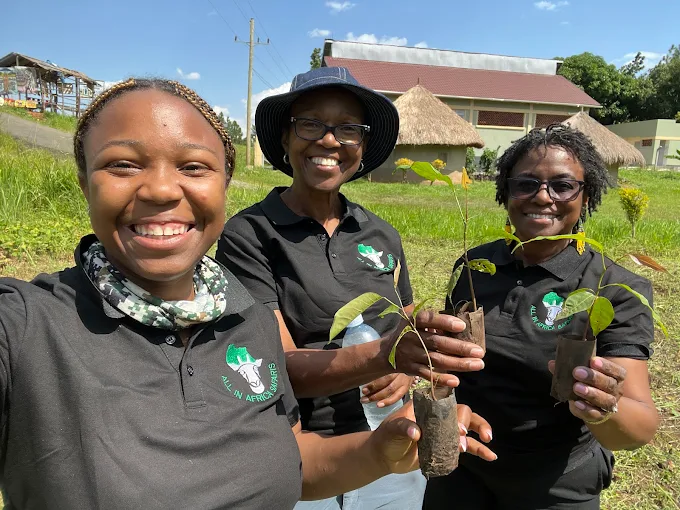
Every safari with us supports our Green Spot Campaign — planting trees across Uganda’s communities. Learn more & get involved →
All in Africa Safaris arranges tours to Uganda, Rwanda, Kenya and Tanzania
3 Days Murchison Falls Safari
Discover the Wildlife in the Murchison Falls National Park with engagement with a boat cruise and game drives which lead to a nature walk on top of the falls
4 Days Gorillas & Queen Wildlife
Visit the magical national parks of Uganda known as Bwindi Forest and Queen Elizabeth National Park including gorilla trekking and wildlife views for travelers
5 Days Gorillas & Chimps Track
Explore the great Mgahinga National Park conserving and protecting the endangered Mountain gorillas & chimpanzees in the pearl of Africa
6 Days Uganda Safari
Visit the magical national parks of Uganda known as Bwindi Forest and Queen Elizabeth National Park which include the gorilla trekking and wildlife views
1 Day Bwindi Gorilla Tour from Kigali
A fast-paced day trip from Kigali into Bwindi Impenetrable Forest for a single unforgettable hour with a mountain gorilla family
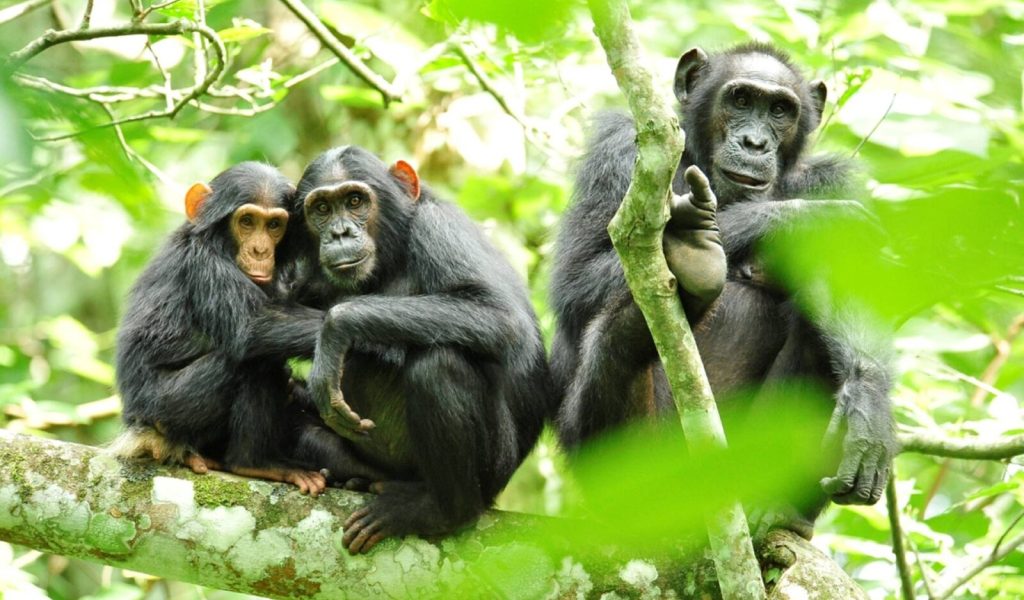
3 Days Chimpanzee Tracking in Kibale
Track chimpanzees through Africa’s primate capital, Kibale Forest, alongside a community walk through Bigodi Wetland Sanctuary
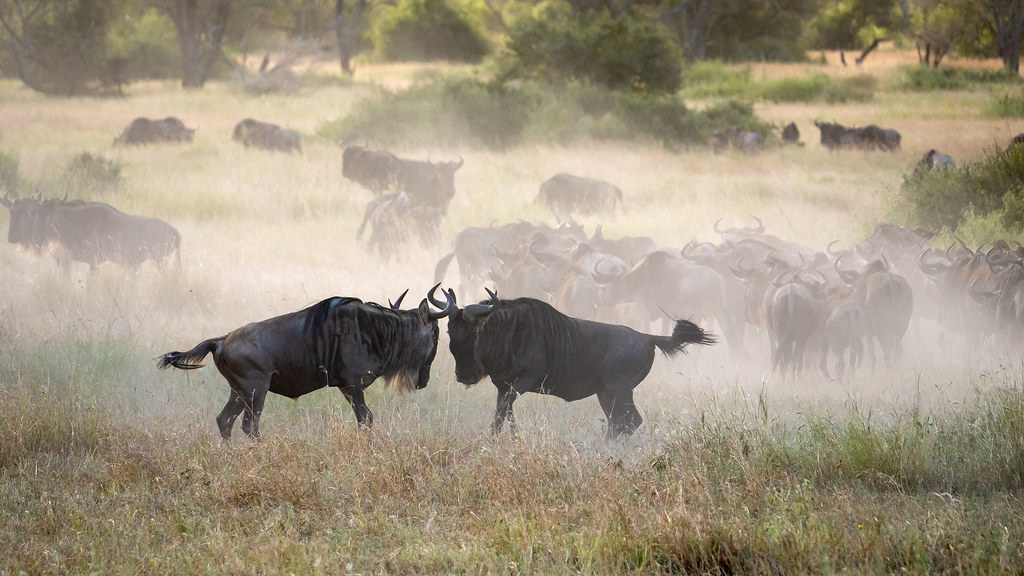
4 Days Kidepo Valley Wildlife Safari
Venture into Uganda’s most remote wilderness for cheetahs, ostriches and dramatic mountain scenery few visitors ever see
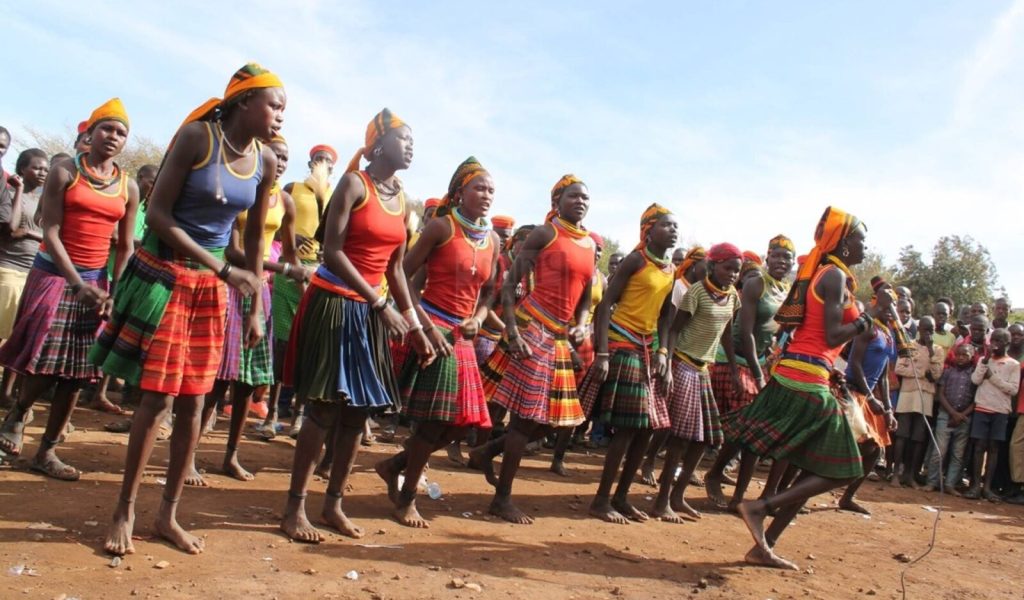
7 Day Kidepo and Sipi Safari
Combine Kidepo Valley’s wild plains with waterfall hikes and coffee tours in the Sipi Falls region
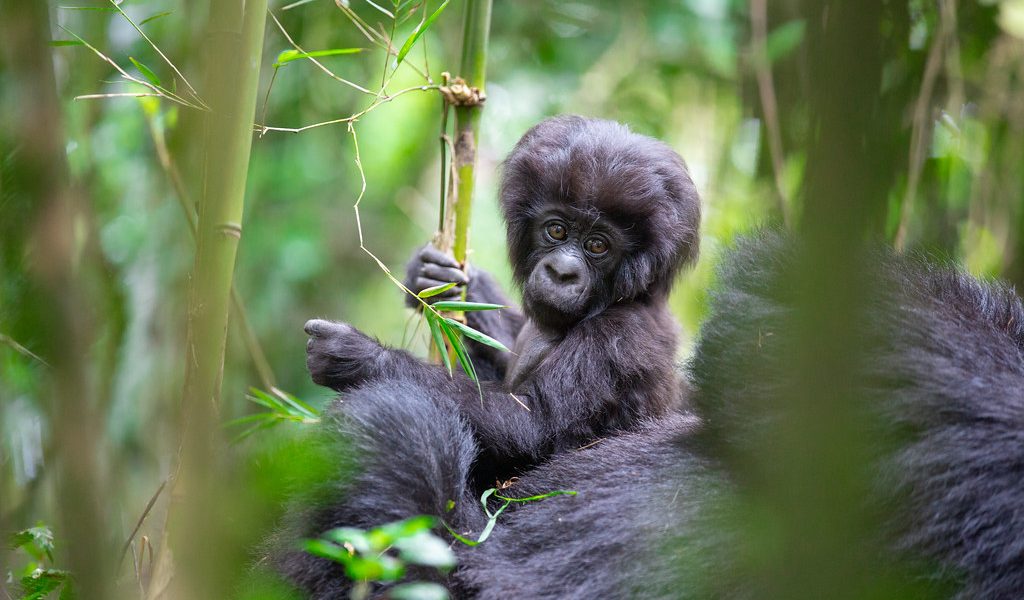
10 Days Rwanda Uganda Safari
A complete circuit through Volcanoes, Bwindi, Queen Elizabeth and Kibale for gorillas, chimps and classic wildlife
12 Days Uganda Leisure Holidays
An unhurried two-week journey through Murchison Falls, Kibale, Queen Elizabeth, Bwindi and Lake Mburo
14 Days Uganda Northern Circuit
Explore Kidepo Valley, Murchison Falls and Sipi Falls on this off-the-beaten-path northern adventure
15 Days Uganda Safari
Uganda’s full highlight reel across two relaxed weeks of gorillas, chimps, wildlife and scenic countryside