
4 Days Gorillas trekking and Golden monkeys
Overview
This 4 Days Gorillas Trekking and Golden Monkeys Safari offers an incredible opportunity to experience two of Uganda’s most exciting primate encounters in the Virunga region. The safari takes you to Bwindi Impenetrable National Park for mountain gorilla trekking and Mgahinga Gorilla National Park for golden monkey tracking.
Bwindi Impenetrable National Park is a UNESCO World Heritage Site and home to nearly half of the world’s remaining mountain gorillas. Mgahinga Gorilla National Park, located within the Virunga Conservation Area, protects stunning volcanic landscapes and is the best place in Uganda to track the rare and endangered golden monkeys.
This safari combines breathtaking mountain scenery, rich cultural experiences, tropical forests, and unforgettable wildlife encounters, making it one of the best short primate safaris in Uganda.
Safari Highlights
- Golden monkey trekking
- Gorilla trekking
- City tour
Detailed Itinerary(gorillas and Golden monkeys)
Day 1: Transfer from Kampala or Entebbe to Bwindi Impenetrable National Park
Your driver-guide will pick you up from your hotel, residence, or Entebbe International Airport early in the morning and brief you about the safari before departure.
Begin the journey to southwestern Uganda through beautiful countryside characterized by rolling hills, traditional villages, fertile farmlands, and bustling towns. Along the way, you will stop at the Equator crossing for photographs and refreshments.
Continue through Mbarara, Kabale, and the scenic Kigezi Highlands while enjoying breathtaking views of terraced hillsides, tea plantations, valleys, and Ankole cattle farms. A lunch stop will be made en route before continuing to Bwindi Impenetrable National Park.
Arrive at your lodge in the late afternoon or evening and spend the remainder of the day relaxing while enjoying views of the forest and surrounding hills.
Accommodation Options
Budget Accommodation
Rushaga Gorilla Camp, Broadbill Forest Camp, Bakiga Lodge
Mid-Range Accommodation
Ichumbi Gorilla Lodge, Engagi Lodge, Gorilla Mist Camp
Luxury Accommodation
Mahogany Springs Lodge, Four Gorillas Lodge, Nkuringo Bwindi Gorilla Lodge
Meals Included
Lunch and Dinner
Day 2: Gorilla Trekking Experience in Bwindi Impenetrable National Park
Wake up early and enjoy breakfast before transferring to the Uganda Wildlife Authority headquarters for a briefing by park rangers.
Following the briefing, you will be assigned a habituated gorilla family and begin your trek through the rainforest accompanied by experienced ranger guides and trackers.
The trek can take several hours depending on the movement and location of the gorilla family. As you hike through the forest, you may encounter birds, butterflies, and other wildlife species that inhabit Bwindi.
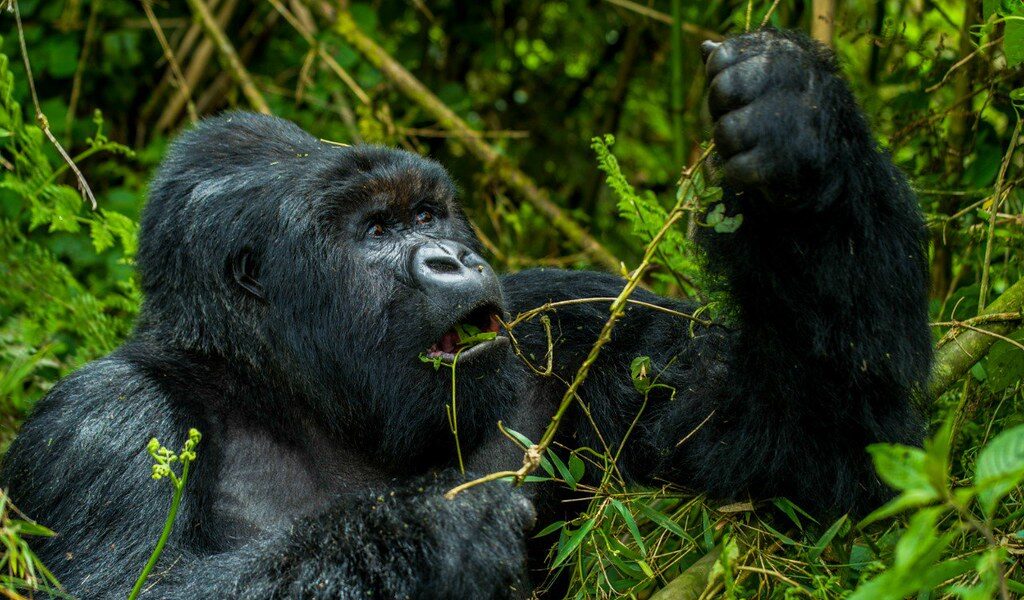
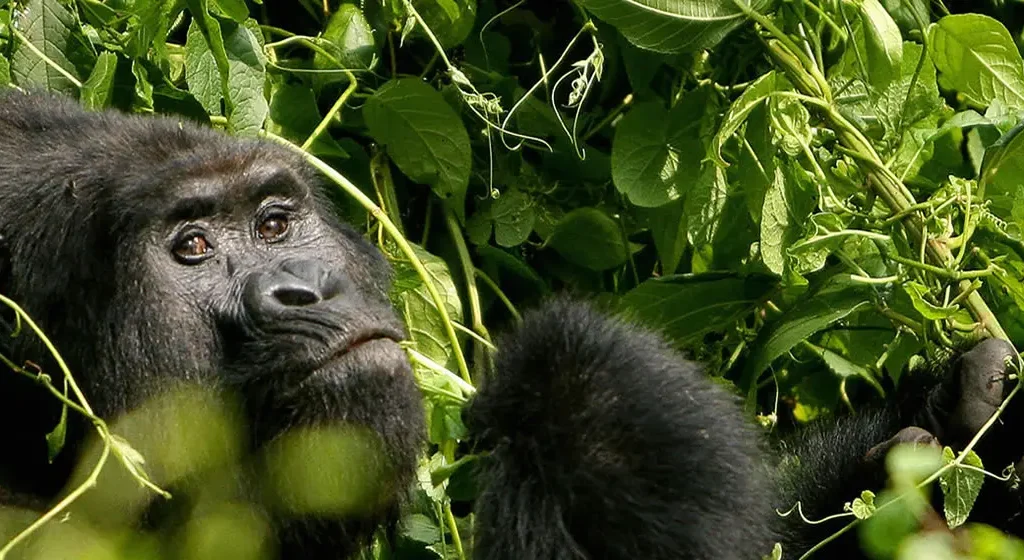
Once the gorillas are located, you will spend one unforgettable hour observing them as they feed, groom, rest, and interact within their family groups. This is one of Africa’s most rewarding wildlife experiences.
After the trek, return to the lodge for lunch and relaxation.
In the afternoon, you may enjoy a community walk around the lodge area or simply relax while taking in the beautiful surroundings.
Accommodation Options
Budget Accommodation
Rushaga Gorilla Camp, Broadbill Forest Camp, Bakiga Lodge
Mid-Range Accommodation
Ichumbi Gorilla Lodge, Engagi Lodge, Gorilla Mist Camp
Luxury Accommodation
Mahogany Springs Lodge, Four Gorillas Lodge, Nkuringo Bwindi Gorilla Lodge
Meals Included
Breakfast, Lunch and Dinner
Day 3: Golden Monkey Tracking in Mgahinga Gorilla National Park
After breakfast, transfer to Mgahinga Gorilla National Park, located in the shadow of the Virunga Volcanoes.
Upon arrival at the park headquarters, attend a briefing by Uganda Wildlife Authority guides before beginning the golden monkey tracking experience.
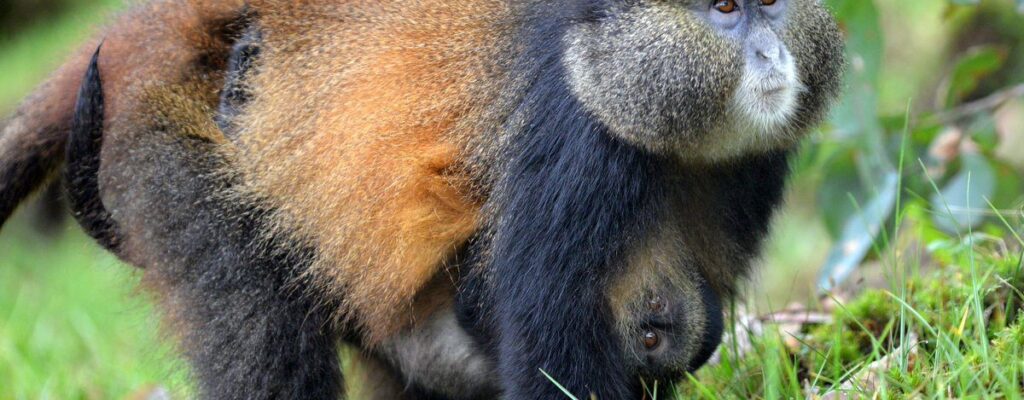
Golden monkeys are among Africa’s most beautiful primates, recognized by their bright golden-orange fur and playful nature. The tracking experience takes you through bamboo forests where these endangered monkeys spend most of their time.
Once located, you will spend time observing them as they feed, leap through the trees, groom one another, and interact within their groups.
After the tracking experience, enjoy lunch and take in the spectacular scenery surrounding the park. The dramatic backdrop of the Virunga Volcanoes makes this one of Uganda’s most scenic destinations.
Return to the lodge for relaxation and overnight stay.
Accommodation Options
Budget Accommodation
Amajambere Iwacu Community Camp, Traveller’s Rest Hotel, Kisoro Tourist Hotel
Mid-Range Accommodation
Lake Mulehe Safari Lodge, Mutanda Lake Resort, Ichumbi Hotel Kisoro
Luxury Accommodation
Mount Gahinga Lodge, Chameleon Hill Lodge, Lake Mutanda Resort
Meals Included
Breakfast, Lunch and Dinner
Day 4: Return to Kampala or Entebbe
After breakfast, check out of the lodge and begin the journey back to Kampala or Entebbe.
Enjoy another opportunity to admire the spectacular scenery of southwestern Uganda, including rolling hills, valleys, tea plantations, and traditional villages.
A lunch stop will be made along the route before continuing toward central Uganda. A brief stop at the Equator may be made for refreshments and photographs.
Arrive in Kampala or Entebbe in the late afternoon or evening, where your driver-guide will drop you off at your hotel, residence, or Entebbe International Airport.
Meals Included
Breakfast and Lunch
Tour Includes(gorillas and Golden monkeys)
- Travel in a 4×4 car
- Professional guide
- Park fees
- Accommodation
- Meals
- All Activities In Itinerary
Tour Excludes
- Alcoholic drinks
- Laundry
- Tips
- Shopping
- Insurance
- Anything not included per itinerary
Two Primate Encounters in One Park
This itinerary combines mountain gorilla trekking with golden monkey trekking, both within Volcanoes National Park, giving travelers two genuinely different primate encounters without needing to travel between separate parks or regions.
Golden monkeys, found only in the Albertine Rift, move constantly through the bamboo canopy in large, boisterous troops, a distinctly different viewing experience from the calmer, ground-based gorilla trekking encounter earlier in the trip.
Practical Notes
Rwanda requires a yellow fever certificate for entry if arriving from an at-risk country, and most nationalities can apply for a Rwanda e-visa online before travel. Travel insurance covering trekking activities and medical evacuation is strongly recommended given the terrain involved, and malaria prevention is worth discussing with a travel health clinic ahead of your trip.
US dollars printed after 2009 are widely accepted for permits, park fees and lodge bills, while Rwandan francs are more practical for tips, markets and smaller day-to-day purchases along the route. Mobile network coverage is generally reliable at lodges and along main routes but becomes patchy inside the parks themselves.
Because gorilla permits are limited and non-refundable once issued, sell out well in advance during the June to September and December to February peak seasons. We recommend booking this itinerary at least four to six months ahead of your intended travel dates.
Tipping is customary though not compulsory. Rangers and trackers typically receive a tip at the end of the trekking day, generally scaled to group size, while your driver-guide is usually tipped separately at the end of the full trip.
A private 4×4 safari vehicle with an experienced English-speaking driver-guide accompanies you throughout this itinerary, suited to both park tracks and Rwanda’s well-maintained connecting roads.
Comparing the Two Treks
Gorilla trekking is slow and deliberate, tracking a family that generally stays within a contained area of forest, with the reward being a closely regulated hour at close range with a group that may include a silverback weighing well over 400 pounds. Golden monkey trekking moves at a different pace entirely, following troops that range constantly through the bamboo canopy, meaning much of the encounter involves looking upward rather than across at a stationary group.
Together, these two treks give a genuinely varied primate experience within a single park, and most travelers describe the contrast between the two encounters, rather than either alone, as what makes this itinerary memorable.
Best Time for This Itinerary
Both gorilla and golden monkey trekking run year-round in Volcanoes National Park, since neither species migrates, though the dry seasons, June to September and December to February, bring firmer trails and are the most popular booking windows given the more comfortable underfoot conditions.
The wetter months are quieter and permits are generally easier to secure, though muddier trails should be expected in exchange, a worthwhile trade-off for travelers prioritizing lower visitor numbers over guaranteed dry conditions.
Physical Preparation for Gorilla Trekking
Gorilla trekking in Bwindi is graded as moderate to strenuous depending on where the assigned family is ranging that day. Trails climb steep, muddy ridges through tangled vegetation, and altitude in the park ranges from roughly 1,160 to 2,607 metres, so a reasonable level of fitness helps considerably. Porters are available at the trailhead for a small fee and are worth hiring — they carry daypacks, offer a steadying hand on slick sections, and their fee directly supports the local community bordering the park. Waterproof hiking boots with good ankle support, a long-sleeved shirt and trousers to guard against nettles and safari ants, gardening gloves, and a rain jacket are the essentials most trekkers wish they had packed. Because Bwindi sits in a genuine rainforest, showers are possible in any month, so dressing in breathable layers rather than heavy clothing keeps the trek comfortable.
Golden Monkey Trekking at Mgahinga
Mgahinga Gorilla National Park, tucked into the Virunga volcanic range on Uganda’s border with Rwanda and the Democratic Republic of Congo, is one of the few places on earth where golden monkeys can be tracked in the wild. These endangered primates move in large, playful troops through the bamboo zone on the lower slopes of Mount Sabinyo, Mount Gahinga and Mount Muhabura, and a trek typically takes less time and involves gentler terrain than gorilla trekking, making it a good option for travellers wanting a primate experience without a full-day hike. The park also protects a small population of transboundary mountain gorillas that move freely between Uganda, Rwanda and Congo, and on the years they are present in Uganda, gorilla permits are issued here as well.
Gorilla Trekking in Volcanoes National Park
Volcanoes National Park protects the Rwandan side of the Virunga Massif, a chain of dormant and active volcanoes shared with Uganda and the Democratic Republic of Congo, and is where Dian Fossey carried out much of the mountain gorilla research that first drew international attention to the species. Treks here tend to reach gorilla families faster on average than in Bwindi, since the park’s habituated groups generally range at somewhat lower altitudes on the volcanoes’ lower slopes, though the terrain is still often steep and can be muddy. A visit to the Dian Fossey Tomb and former research camp, reached by a moderately strenuous hike, is a popular add-on for travellers interested in the conservation history behind the park.
Responsible and Sustainable Travel
Simple choices — maintaining a respectful distance from wildlife, following your guide’s instructions around habituated primates, avoiding single-use plastics where possible, and buying crafts and produce directly from local cooperatives rather than mass-produced souvenirs — add up across the volume of visitors this region receives each year. Many lodges now run their own conservation or community initiatives, from anti-poaching support to local employment quotas and school sponsorships, and asking about these programmes during your stay is both a way to learn more and a small signal to operators that travellers value this work. Respecting photography etiquette around local communities, including asking permission before photographing people, remains one of the more overlooked aspects of responsible travel in the region.
Get Your Tailored 4 Days Gorillas trekking and Golden monkeys
Our Green Spot Campaign
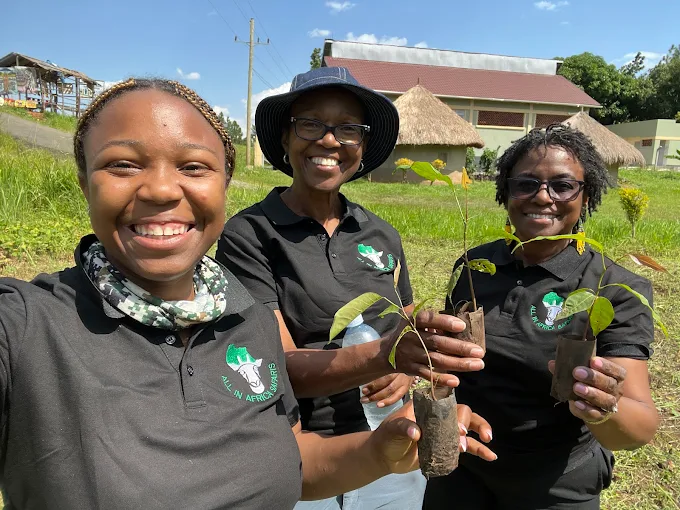
Every safari with us supports our Green Spot Campaign — planting trees and giving back to local communities across Africa. Learn more & get involved →
All in Africa Safaris arranges tours to Uganda, Rwanda, Kenya and Tanzania
2 Days Rwanda safari
Have a tour of the Kigali city along the way to Volcanoes national park in this 2 days Rwanda safari
3 Day Rwanda Gorilla Trekking
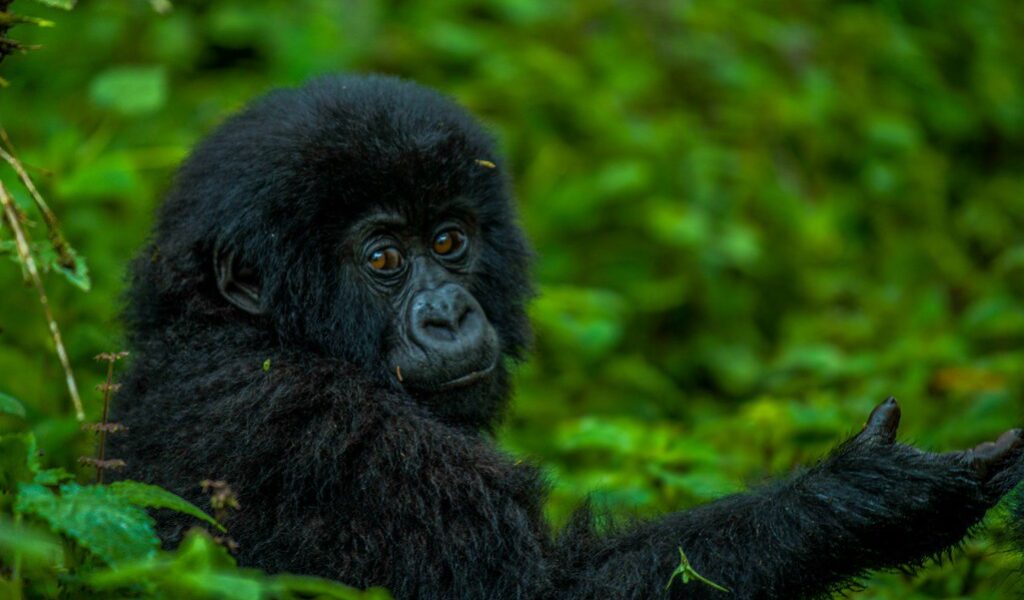
Have a short trip and do a gorilla trekking activity in the volcanoes national park of Rwanda with dazzling scenery
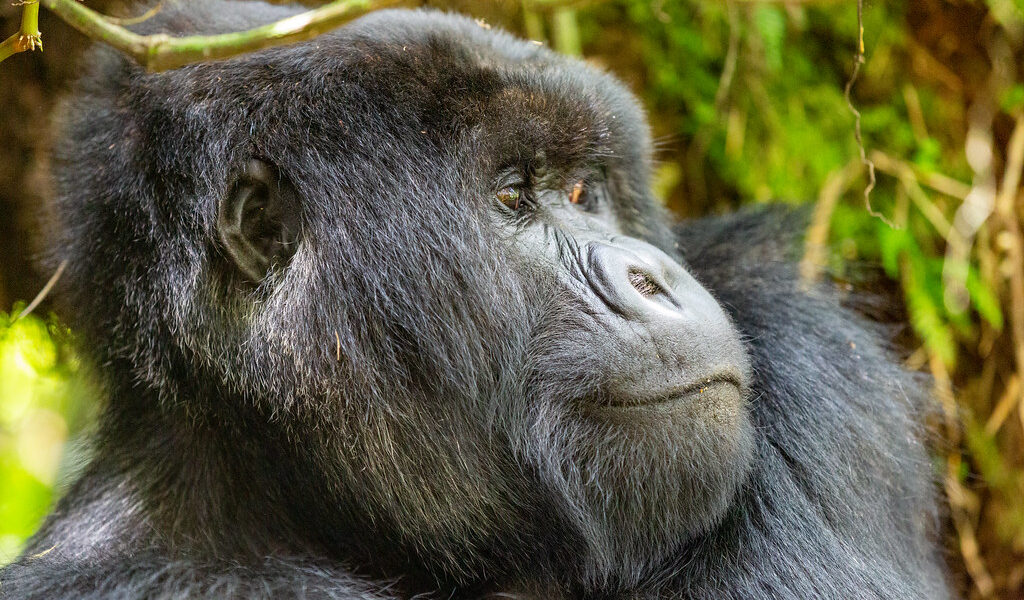
4 Days Gorillas & Primates Tour
Visit the Golden Monkeys and Gorillas in great volcanoes national park of the Virunga volcanoes
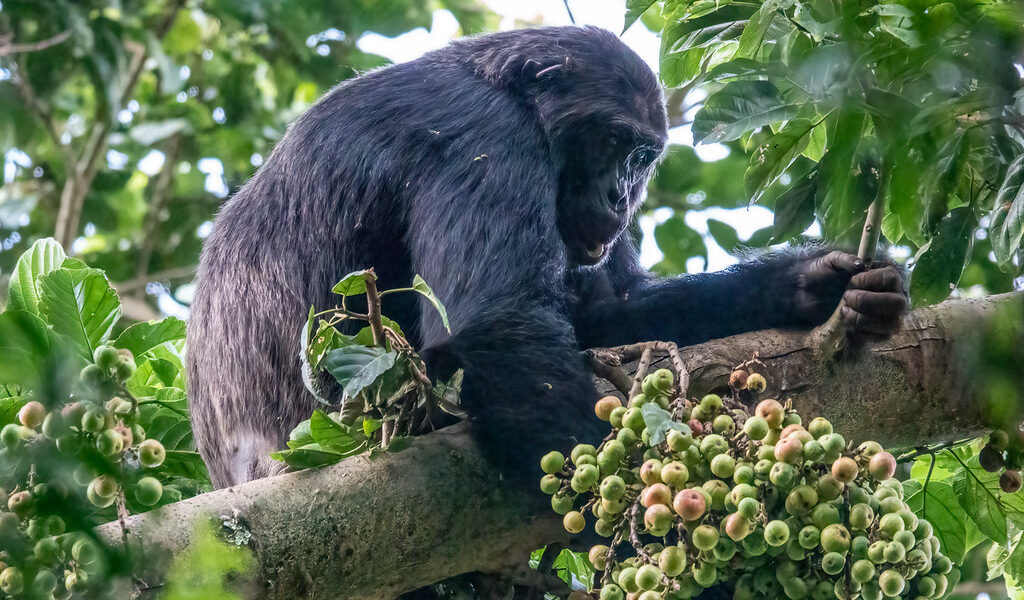
5 Days Rwanda Primates Tour
Visit the land of Rwanda and trek the Volcanoes National Park for sighting of the endangered gorillas & Chimps
1 Day Gorilla Tracking from Kigali
A fast-paced day trip from Kigali into Volcanoes National Park for a single unforgettable hour with mountain gorillas
7 Day Rwanda Wildlife and Gorilla Safari
Combine gorilla trekking with a broader wildlife circuit for a fuller week-long picture of Rwanda
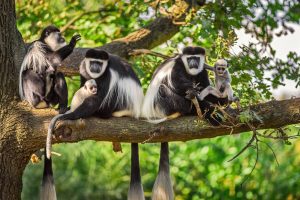
5 Days Primate Adventure Safari
Gorillas, golden monkeys and Rwanda’s scenic countryside across a well-paced five-day primate itinerary
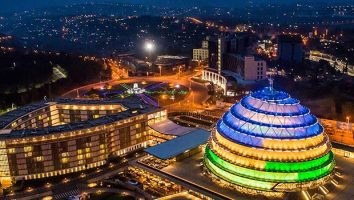
14 Day Ultimate Rwanda Safari
Rwanda’s most complete itinerary, pairing gorilla trekking with two weeks of the country’s lakes, forests and culture

3 Day Gorilla Trekking in Rwanda
A concise, focused three-day trip built entirely around a single mountain gorilla trekking permit in Volcanoes National Park.
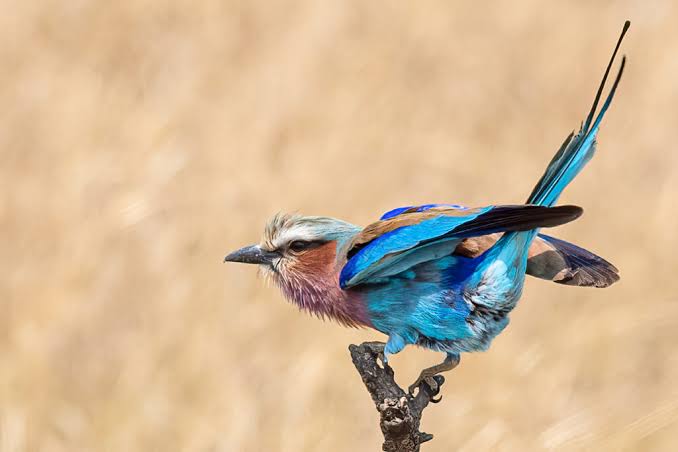
1 Day Akagera Wildlife Day Trip
A fast-paced single-day trip from Kigali into Akagera for a game drive and boat safari on Lake Ihema.
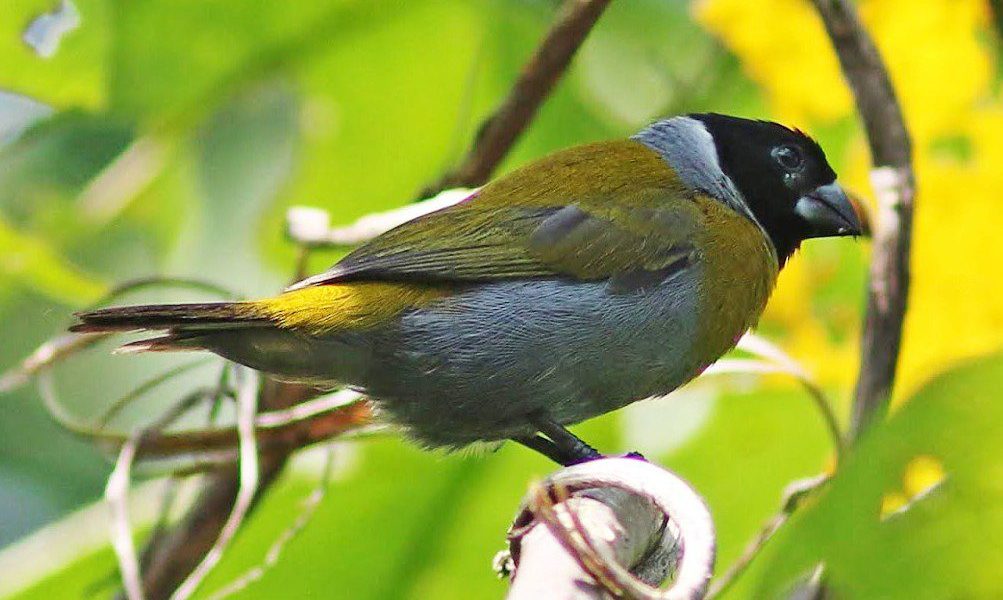
2 Days Akagera Big Five Safari
An overnight Akagera trip with two full game drives and a Lake Ihema boat safari for genuine Big Five viewing.
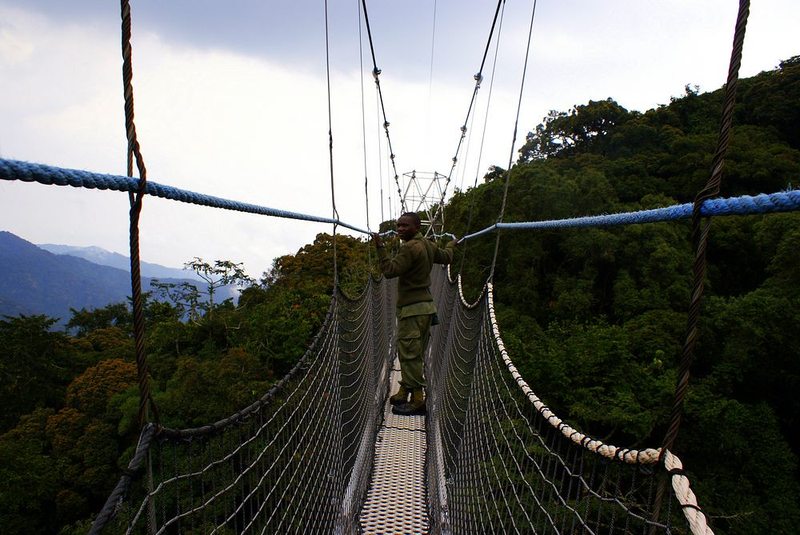
3 Days Nyungwe Chimpanzee Safari
Chimpanzee tracking and the famous canopy walkway in one of Africa’s oldest surviving rainforests.
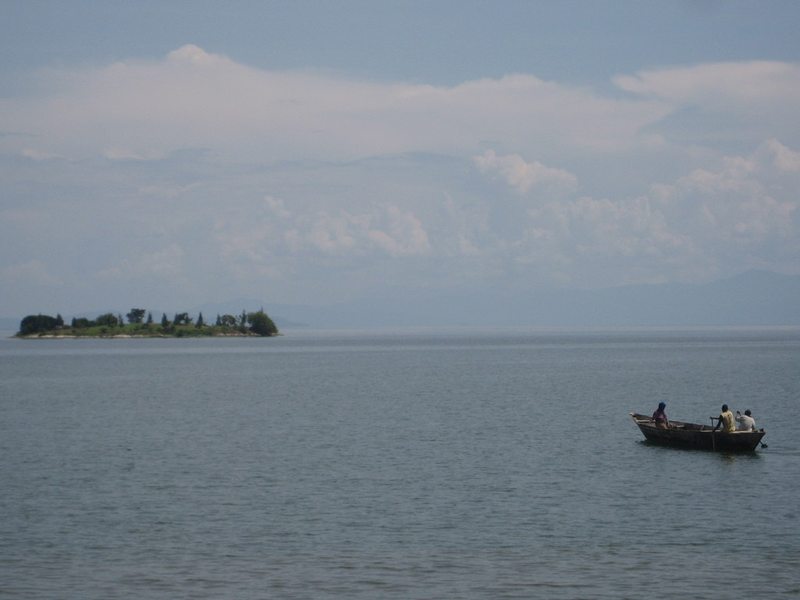
4 Days Lake Kivu & Gorilla Trekking
Mountain gorilla trekking paired with genuine relaxation time on the shores of Lake Kivu.
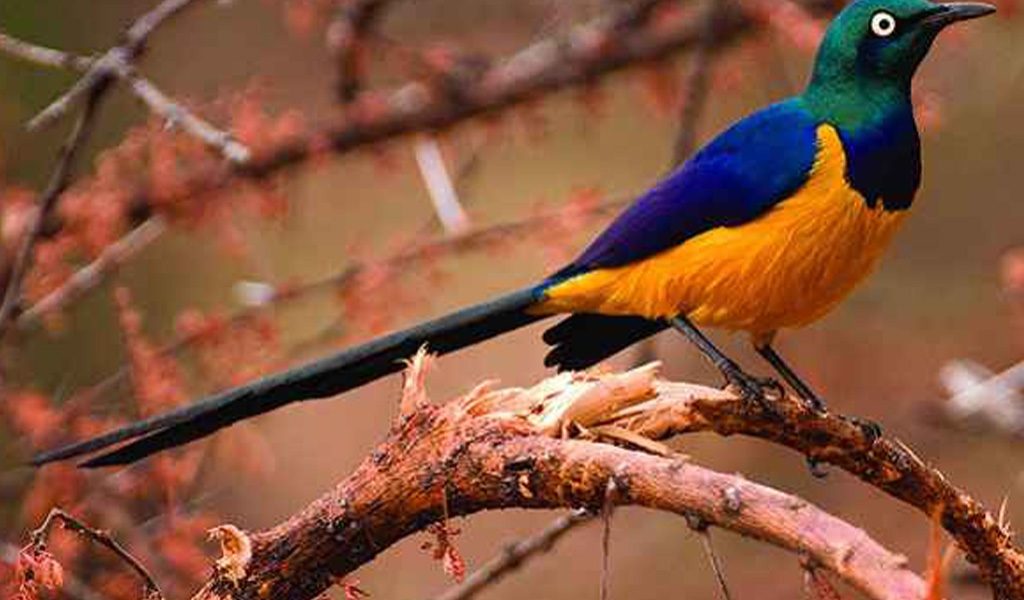
5 Days Wildlife & Culture Safari
Kigali city and Genocide Memorial touring combined with Akagera’s Big Five wildlife, no trekking required.
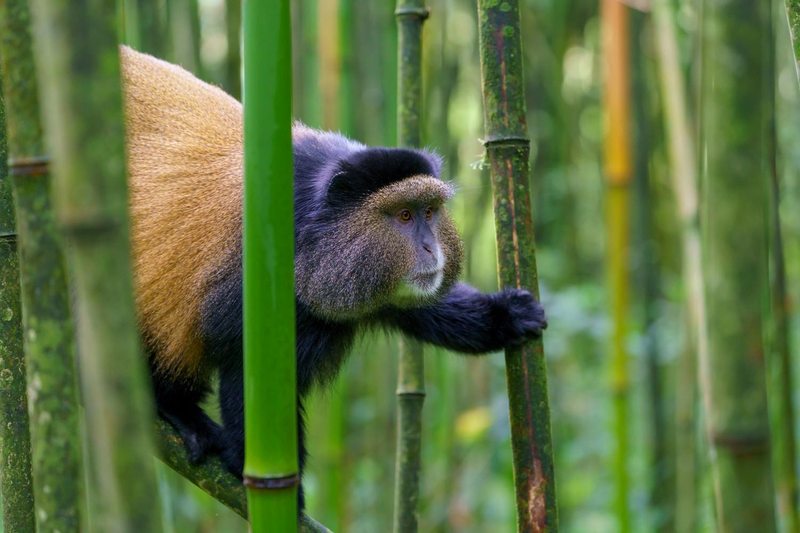
6 Days Rwanda Primate Safari
Gorillas, golden monkeys and chimpanzees, each given a dedicated day across three distinct forest ecosystems.
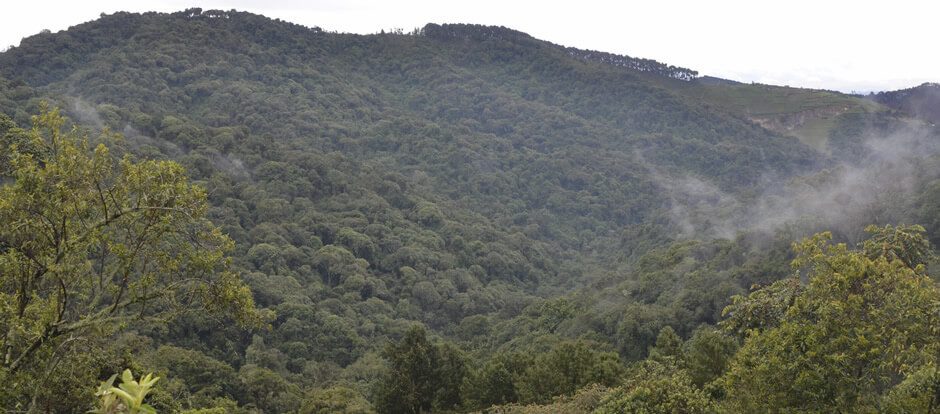
6 Days Gishwati-Mukura & Volcanoes
Chimpanzee tracking in Rwanda’s newest restored park paired with classic Volcanoes gorilla trekking.
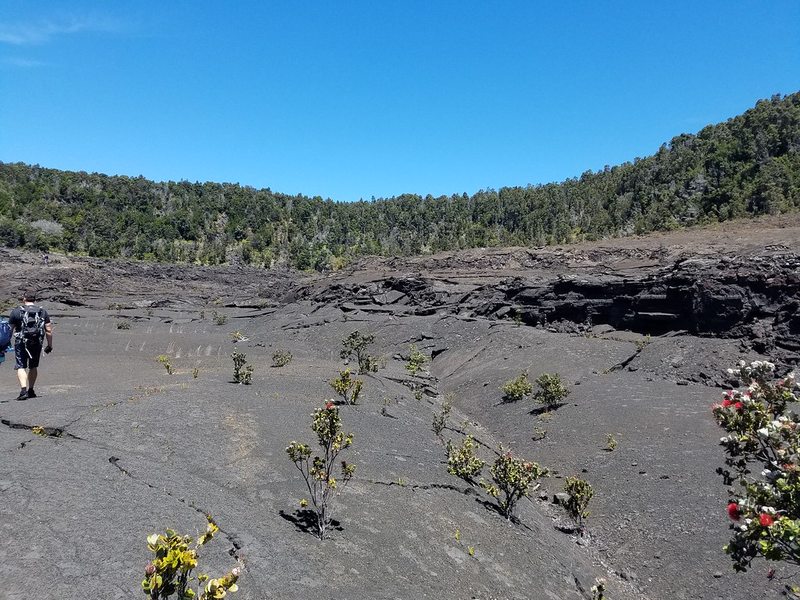
8 Days Rwanda Grand Safari
Our flagship multi-park circuit covering Volcanoes, Nyungwe and Akagera with real time at every stop.
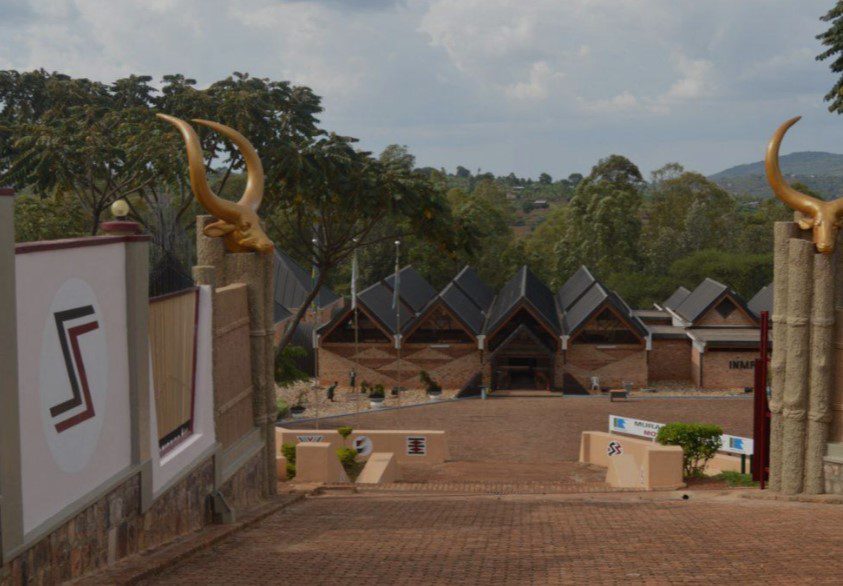
9 Days Cultural & Wildlife Discovery
The National Museum and Nyanza royal capital paired with chimpanzee tracking and gorilla trekking.
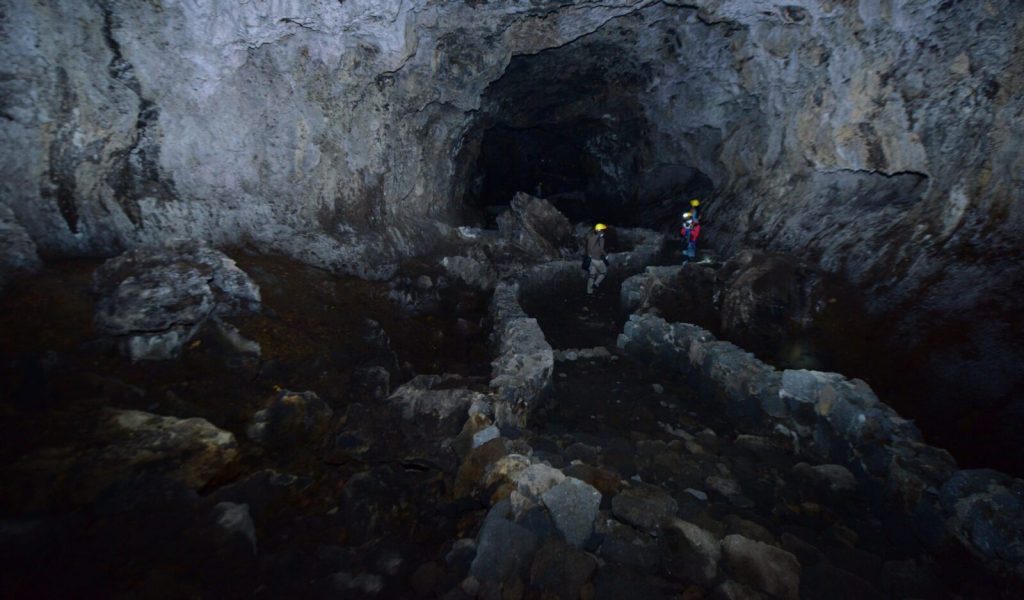
10 Days Rwanda Complete Safari
Akagera, Volcanoes, Nyungwe and a closing stay at Lake Kivu on our benchmark ten-day itinerary.
13 Days Rwanda In-Depth Safari
Our most comprehensive Rwanda itinerary, covering every major park and cultural site with deliberate rest days built in.