Magashi Camp | Akagera National Park | Lodges in Rwanda | Safari Lodges | Where to stay
Magashi Camp in Rwanda is one of the best places to stay while on a wildlife safari inside Akagera National Park. What could be more romantic than lying back and seeing animals abundantly gazing up at a close range, surrounded by total tranquility with superb views overlooking Lake Rwanyakazinga set in the idyllic sanctuary of Akagera National Park?
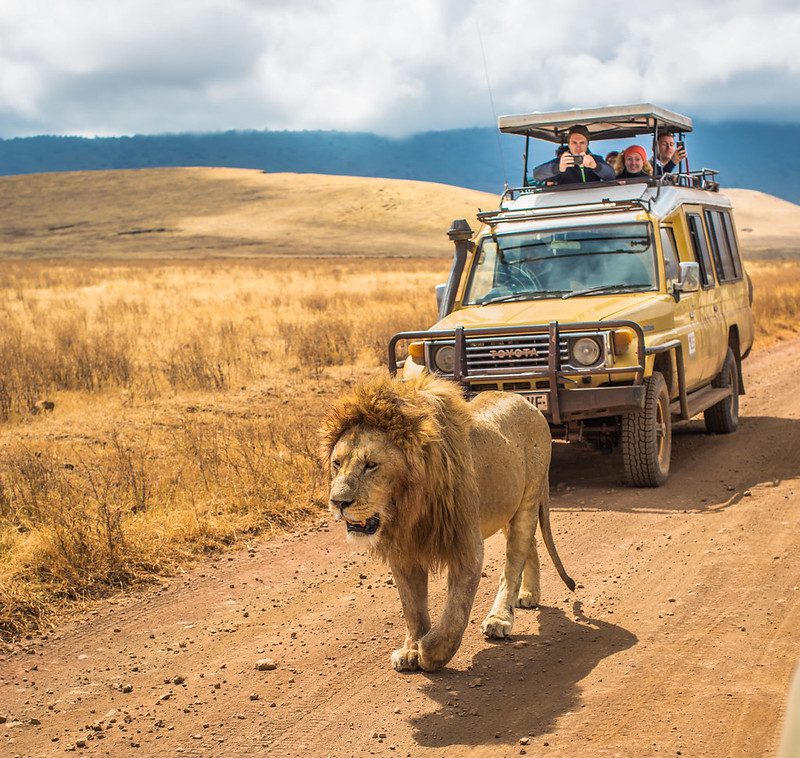
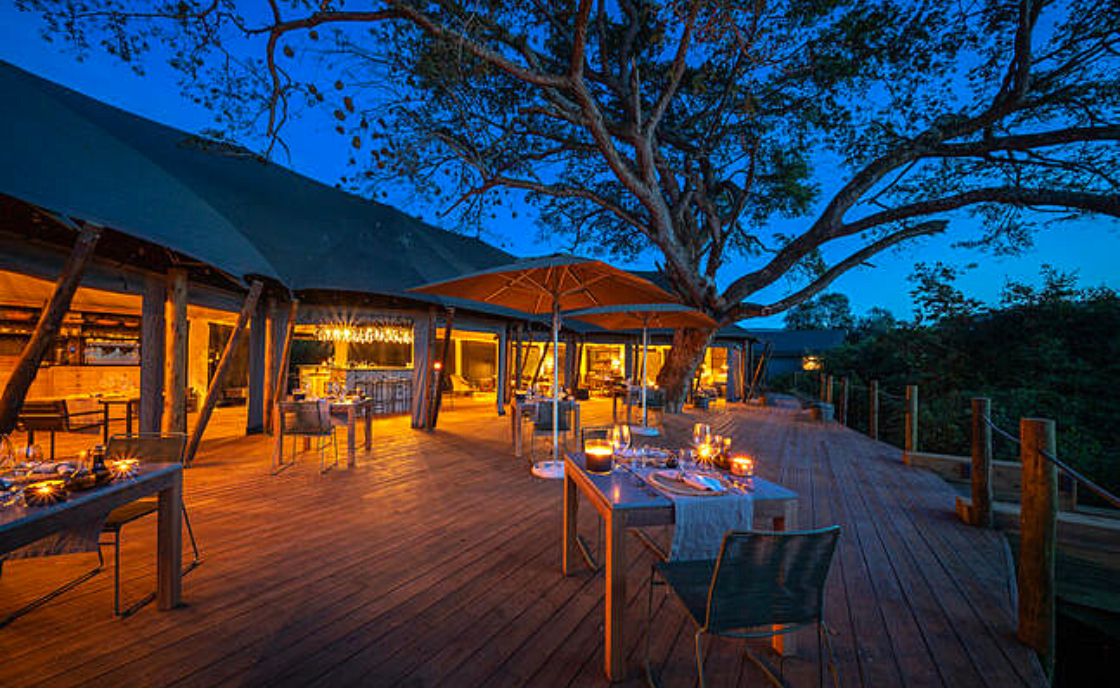
Magashi Camp is located in its own private concession area with six spacious tents with uninterrupted lake views and a design that reflects traditional Rwandan culture, plus a lounge, a superb dining and bar area, a pool, and an expansive viewing deck with a fire pit. No other camp can be found in this vast expanse of beautiful wilderness teeming with hippos, crocodiles, a plethora of birds, and incredibly rarer species such as Sitatunga antelope and the Black Rhino. A large pride of lions can be seen on daily game drive through this pristine sanctuary making Magashi camp a perfect Big Five safari add-on for your stay. This is so special for your Rwanda safari.
This area has Africa’s largest concentration of Wildlife making your stay at Magashi Wilderness Camp a unique one. Experience the most scenic biodiversity experiences ranked high in East Africa, offering guests a life-changing journey you will never forget. Magashi Camp contributes directly to sustainable ecotourism conservation.
Akagera National Park is a stunning Park on its own – teeming with plentiful game and great adventure game viewing gets you the opportunity to see a variety of savanna wildlife species during day or night game drive boat trips, and sport fishing and among others. Experiencing these sights and places with your loved ones is possibly the most moving journey you’ll ever embark on.
Akagera National Park is a photographer’s paradise seeking exceptional encounters giving you surprises of sighting leopards, elephants, lions, zebras, antelopes, and unique birds.
Akagera’s Remarkable Recovery Story
Akagera’s current abundance of wildlife isn’t accidental, it’s the result of one of Africa’s most notable conservation turnarounds. By the early 2000s, decades of conflict and unregulated settlement had shrunk the park dramatically and wiped out most of its large predators, lions were locally extinct and rhino numbers had collapsed. A partnership between the Rwanda Development Board and African Parks, beginning in 2010, rebuilt anti-poaching infrastructure, reintroduced lions in 2015 and eastern black rhino in 2017, and restored Akagera to genuine Big Five status. It’s now considered one of the continent’s clearest examples of what sustained, well-funded conservation can achieve in a relatively short time.
Wildlife You Can Expect to See
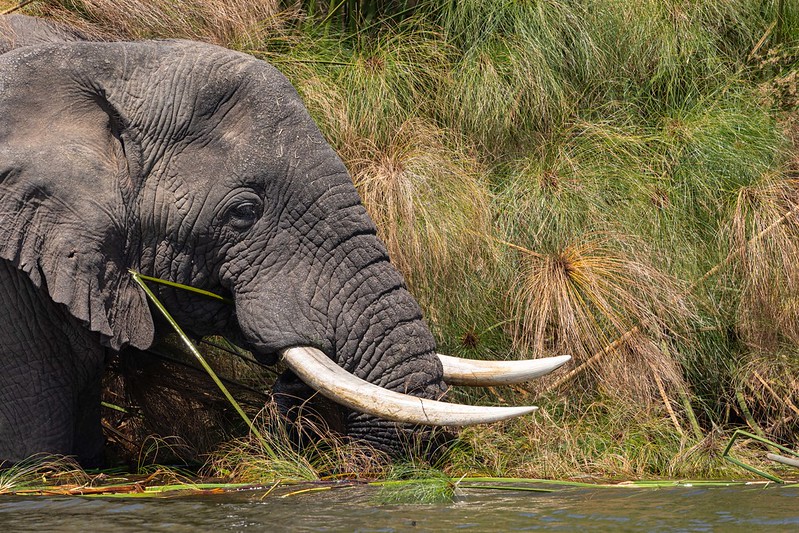
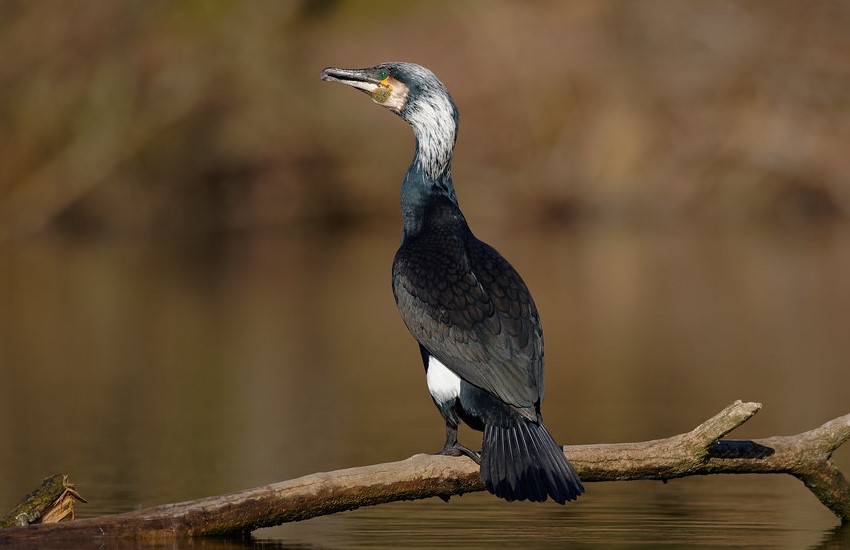
Beyond the lions and black rhino mentioned above, Akagera holds healthy populations of elephant, buffalo, giraffe, zebra, and a wide range of antelope species, along with one of the largest hippo populations of any East African park concentrated along Lake Ihema. The park’s mix of savanna, wetland, and lake habitat also makes it one of Rwanda’s best birding destinations, with over 500 recorded species including the papyrus-loving shoebill in some seasons and the striking African fish eagle along the shoreline.
Best Time to Visit Magashi and Akagera
The dry seasons, roughly June to September and December to February, offer the best game viewing as animals concentrate around the park’s lakes and rivers and vegetation thins out, improving visibility. The wetter months bring lush green scenery and excellent birding, including migratory species, though game drives can be muddier and less predictable. Because Akagera is a relatively compact park, strong wildlife viewing is possible across most of the year.
Getting to Magashi Camp
Akagera National Park sits roughly two and a half hours by road from Kigali, making it an easy add-on to a Rwanda gorilla trekking itinerary rather than a separate trip. Magashi Camp itself, in the park’s remote northern sector, is typically reached via a scenic light-aircraft transfer from Kigali, cutting travel time significantly and adding an aerial view of the park before you land.
Combining Akagera With Gorilla Trekking
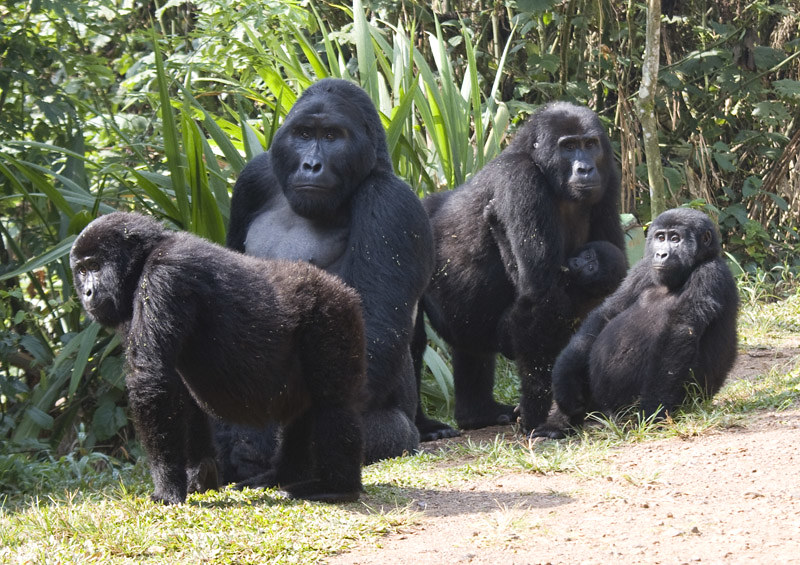
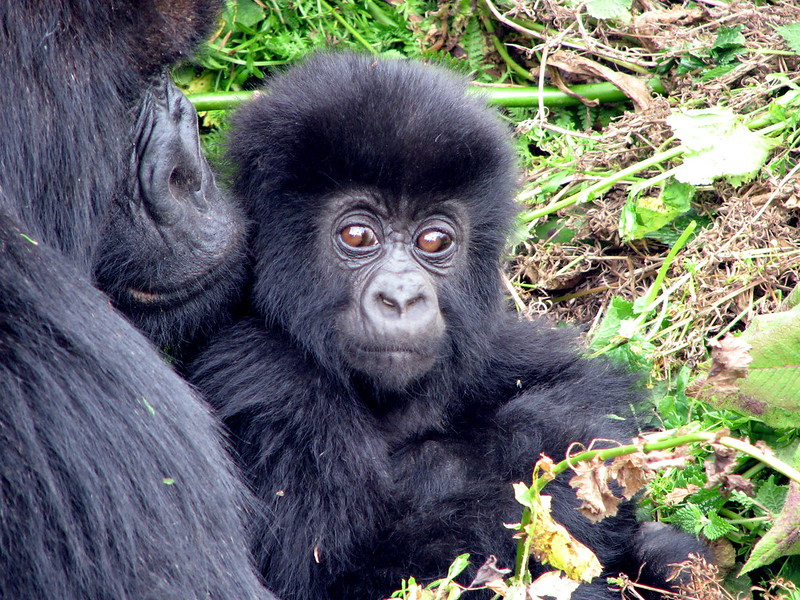
Because Akagera sits in Rwanda’s northeast while Volcanoes National Park sits in the northwest, many travelers build a single Rwanda itinerary that opens with gorilla trekking and closes with a few days of classic savanna game viewing at Magashi, or the reverse. It’s one of the most efficient ways to see two genuinely different sides of Rwanda’s wildlife, misty mountain forest and open savanna, without a long domestic transfer between them. All in Africa Safaris can help you build a Rwanda itinerary that combines Akagera with gorilla trekking and the Nyungwe canopy walk.
A Typical Stay at Magashi
Days at Magashi follow a rhythm familiar to safari travelers anywhere: an early game drive timed to the coolest, most active hours for wildlife, a midday break back at camp with the lake view and pool as the main draw, and a second drive or boat outing in the late afternoon leading into sundowners. Because the camp sits inside its own private concession, sightings tend to feel unhurried and uncrowded compared to more heavily visited parks elsewhere in East Africa, an advantage of Akagera’s relatively low visitor numbers even as its wildlife has rebounded.
Boat Safaris on Lake Rwanyakazinga and Lake Ihema
Akagera’s network of lakes opens up a game-viewing option most savanna parks can’t offer: a proper boat safari. Cruises on Lake Ihema in particular put you at close range with pods of hippo and basking crocodiles, while elephants and buffalo often come down to the shoreline to drink, giving you a water-level vantage point on animals you’d otherwise only see from a vehicle. Boat trips run both during the day and, at select times, as a sunset outing, when birdlife along the papyrus-lined banks is especially active.
Rwanda’s Broader Conservation Model
Akagera’s recovery mirrors a pattern seen elsewhere in Rwanda’s conservation strategy, most visibly in the mountain gorilla population around Volcanoes National Park, where tourism revenue is directly reinvested into anti-poaching work and community programs bordering the park. A share of Akagera’s park fees supports local communities living along its boundary, a model credited with reducing human-wildlife conflict and building local buy-in for protecting the park rather than viewing it as land lost to conservation. Visiting Magashi, in other words, contributes in a small but real way to a conservation model that’s become something of a regional benchmark.
Packing and Practical Notes for Magashi
Standard savanna safari clothing works well here, neutral tones, a hat, and sun protection for game drives, with a light layer for cooler early mornings on the water. Because the camp is remote and reached primarily by light aircraft, luggage is generally limited to soft-sided bags with a modest weight allowance, worth confirming with your operator when booking the internal flight. Malaria prophylaxis and standard travel vaccinations recommended for Rwanda apply here as elsewhere in the country.
Sport Fishing on Akagera’s Lakes
Beyond game drives and boat safaris, Akagera’s lakes support a catch-and-release sport fishing program, primarily targeting tilapia, available to guests who want a quieter, more contemplative activity between drives. It’s a lesser-known side of the park, but one that fits naturally with Magashi’s slower, wilderness-immersion style of stay, an alternative to a midday break spent purely at the pool.
Why Akagera Suits a Rwanda First-Timer
For travelers whose primary reason for visiting Rwanda is gorilla trekking, Akagera answers a common follow-up question: what else is there to see? Rather than needing to fly to Kenya or Tanzania for a classic Big Five savanna experience, Akagera delivers it within the same small country, often within the same week-long trip. This compactness is part of what makes Rwanda increasingly popular as a single-country safari destination rather than just a gorilla-trekking stopover on a longer regional itinerary.
Night Game Drives
Akagera is one of the few parks in the region offering guided night game drives, using spotlights to pick out nocturnal species rarely seen during the day: side-striped jackals, genets, white-tailed mongoose, and, with good fortune, leopard. This after-dark activity is a genuine point of difference from most East African savanna parks, where night drives are either prohibited or unavailable, and it’s worth requesting specifically if nocturnal wildlife interests you, since it isn’t always included by default in every itinerary.
A Camp Built Around Conservation Tourism
Magashi is operated as a high-end, low-impact concession, deliberately capped at a small number of tents to limit its footprint on the surrounding wilderness rather than maximizing bed capacity. Revenue from stays feeds back into Akagera’s broader management budget, alongside standard park fees, which is part of the funding structure that has allowed the park to sustain the ranger patrols, veterinary support, and community programs behind its recovery. Choosing a concession camp like Magashi over a larger public-area lodge is, for many travelers, as much about supporting that model as it is about the private, uncrowded game viewing it delivers, and it’s a distinction genuinely worth understanding and asking about before you book any Akagera stay for your upcoming Rwanda gorilla and savanna safari.