Pian Upe Game Reserve is one of Uganda’s best-kept secrets! This beautiful, raw, and less visited game reserve is the second largest conservation area after Murchison Falls National Park. It covers an area of about 2,788 sqkm to the north of Mountain Elgon and is managed by the Mountain Elgon Conservation Department. | Prices | Location | Things to do | Lodges
It is located in Nakapiripiti, in the north-eastern part of Uganda and can easily be accessed by road from Kampala in about 8 hours. It takes about 2 hours from Mbale while 6 hours are from Pian Upe to Kidepo Valley National Park.
The beauty of this Game Reserve are the stunning landscape sceneries with surrounding mountains and most of the time you will have the whole Game Reserve to yourself. It is here that you’re most likely to understand why Uganda was nicknamed ‘The Pearl of Africa’ by Sir Winston Churchill.
So, as you plan to visit Pian Upe Game Reserve, consider preparing yourself for the following activities:-
Bird-watching safaris in Pian Upe Game Reserve.
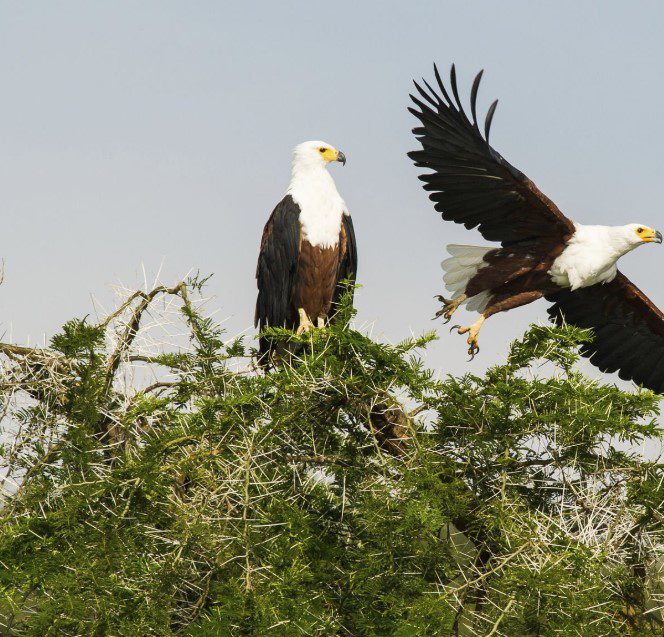
Pian Upe is a birder’s paradise because there are a massive number of bird species, with about 242 confirmed, and 11 unconfirmed. This makes the reserve second to Queen Elizabeth National Park in terms of the density of bird species. While here, you are likely to see the land’s largest bird – the Ostrich, which is only found here and in Kidepo Valley National Park.
Mountain climbing and viewing physical features in Pian Upe.
A traveler can go mountain climbing to the less challenging hills of the area like Mt. Kadam, but you can also go on one of our mountaineering adventures safaris to Rwenzori Mountains, up to Margherita Peak. This is the only place with snow in Uganda.
Guided nature walks in Pian Upe Game Reserve.
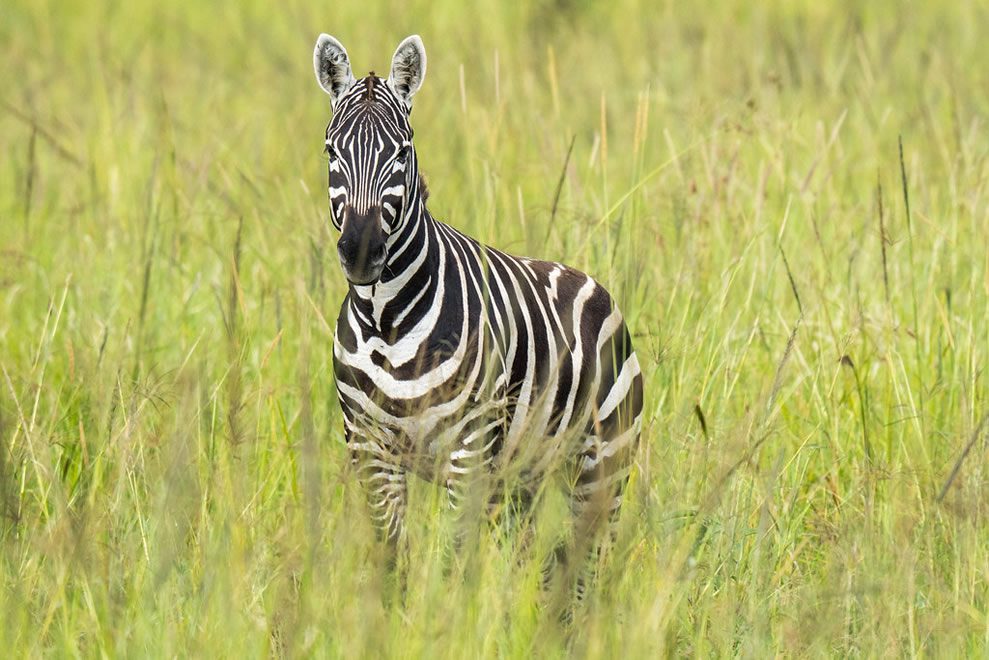
Guided nature walks are a great way to get up close and personal with the wilderness at Pian Upe Game Reserve. For sightseeing, look out for zebras, antelopes, baboons, and the many birds in the reserve. The walks are guided by a ranger from Uganda Wildlife Authority.
Cultural community visits.
To learn about the culture and ways of the people living around Pian Upe, go for a guided community visit. You will learn about traditional weddings and marriages, traditional dances that you can take part in, and their raiding activities for cattle.
Visit Napendio cave.
This is an old cave that is close to the hearts of people around the area. During ancient days, the cave was used as a recreational place, especially for art. Drawings of baboons and other animals by the first people who stayed here are still visible to date, among other activities.
A traveler can extend a visit to Pian Upe to Sipi Falls and continue on a safari to the wilderness of Kidepo Valley National Park. We can organize a tailor-made Uganda and Rwanda safari for you to include this less-visited wildlife reserve.
A Reserve Defined by Space and Silence
Where Uganda’s more visited parks can feel busy during peak season, Pian Upe’s vast 2,788 square kilometers and low visitor numbers mean game drives here often unfold in genuine solitude, just you, your guide, and the open landscape.
Why Pian Upe Remains So Untouched
Pian Upe’s remote location in Uganda’s Karamoja sub-region, combined with the region’s historically limited tourism infrastructure, has kept visitor numbers genuinely low compared to Uganda’s more famous parks, a fact that works entirely in favor of travelers seeking a wilderness experience without crowds. This same remoteness is precisely why the reserve rewards the extra effort required to reach it with such a distinctly personal, uncrowded safari experience.
Setting the Right Expectations
Travelers should approach Pian Upe expecting a genuine wilderness experience rather than a polished, fully serviced safari circuit, an honest trade-off that rewards flexibility and a spirit of adventure with sightings and solitude money alone can’t buy elsewhere in Uganda.
What Wildlife You Can Expect to See
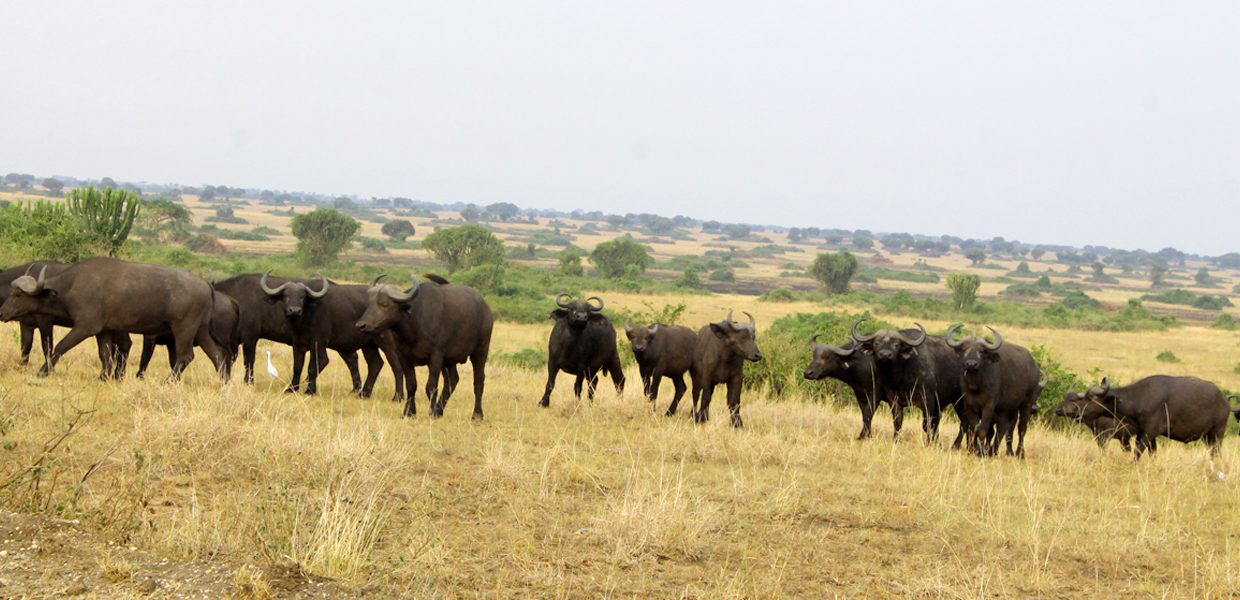
Beyond the ostriches, zebras, and buffaloes already mentioned, Pian Upe supports populations of roan antelope, Jackson’s hartebeest, cheetah, and various gazelle species across its open savannah landscape, making it a genuinely rewarding stop for travelers interested in species not always found in Uganda’s more visited southern parks. The reserve’s semi-arid habitat supports a noticeably different wildlife community than the forested parks further south and west.
Best Time of Year to Visit Pian Upe
The dry season, roughly September through March, offers the most comfortable travel conditions and the best wildlife visibility, since sparser vegetation during these months makes spotting animals across the open landscape considerably easier. All in Africa Safaris can advise on the specific timing that best matches your broader northeastern Uganda itinerary.
Combining Pian Upe With Kidepo Valley National Park
Given its position along the route toward Kidepo Valley National Park, most travelers visiting Pian Upe do so as a strategic stopover rather than a standalone destination, breaking up the long journey north with a worthwhile wildlife stop of its own. All in Africa Safaris can sequence this stopover efficiently into your wider Karamoja region itinerary.
A Region Slowly Opening to Travelers
As Karamoja’s tourism infrastructure gradually develops, visitors arriving now are experiencing Pian Upe at a genuinely early stage, similar to how many of Uganda’s now-famous parks were once regarded decades ago.
Accommodation Options Near Pian Upe
Given the reserve’s remote setting, accommodation options remain limited compared to Uganda’s more established safari circuits, typically consisting of simple guesthouses in nearby towns or basic camping arrangements within the reserve itself. Travelers should set realistic expectations around comfort level here, understanding that Pian Upe’s appeal lies in its wilderness authenticity rather than luxury amenities.
What to Pack for a Pian Upe Safari
Given the long drive and limited services along the route, packing sufficient water, snacks, sun protection, and any personal medications is particularly important for a Pian Upe visit, alongside the standard safari essentials of neutral clothing and sturdy walking shoes. A reliable vehicle and experienced driver matter considerably more here than on shorter, better-serviced routes elsewhere in Uganda.
A Reserve Worth Discovering Early
Travelers who visit Pian Upe today are experiencing a version of Uganda that few others have seen, quiet, uncrowded, and genuinely off the well-worn safari path.
Responsible Tourism at Pian Upe
Tourism revenue at Pian Upe plays a genuinely meaningful role in supporting both conservation efforts and the Karamojong communities living around the reserve’s boundaries, making every visit a direct contribution to the area’s continued protection. Engaging respectfully during community visits, following your guide’s lead, helps ensure this tourism relationship remains mutually beneficial.
The Journey From Kampala: What to Expect
The eight-hour drive from Kampala to Pian Upe passes through a genuinely varied cross-section of Uganda’s landscape, from the fertile central region through Mbale’s coffee-growing hills and finally into the drier, more open Karamoja plains. Breaking this journey with an overnight stop in Mbale, itself a worthwhile base for exploring Mount Elgon, turns a long single-day drive into a more comfortable two-day approach.
Understanding the Karamoja Region’s Culture
The Karamojong people maintain a distinct pastoralist culture and language quite different from much of the rest of Uganda, historically centered around cattle herding across the region’s semi-arid plains. Visiting Pian Upe offers genuine exposure to this cultural distinctiveness, adding a dimension to the trip well beyond wildlife viewing alone.
Guided Game Drives Versus Self-Drive Options
Given the reserve’s remote setting and limited signage compared to Uganda’s more established parks, a guided game drive with a ranger familiar with current wildlife movement patterns considerably improves your chances of meaningful sightings. All in Africa Safaris can arrange an experienced guide and appropriate vehicle for navigating Pian Upe’s less-trodden tracks.
Photography Opportunities Across the Open Plains
Pian Upe’s wide-open savannah landscape, framed by distant mountains, offers genuinely dramatic photography opportunities distinct from the denser, more enclosed scenery found in Uganda’s forest parks. Early morning and late afternoon light across this open terrain rewards photographers willing to plan their game drives around these golden hours.
Why Few Travelers Know About Pian Upe
Pian Upe’s relative obscurity, even among experienced Uganda travelers, owes largely to its distance from the country’s main tourism circuit and the historical security concerns that once limited travel across parts of Karamoja, concerns that have eased considerably in recent years. Travelers willing to look beyond Uganda’s headline destinations are increasingly discovering what this quiet reserve has to offer.
A Genuine Alternative to Uganda’s Busier Parks
For travelers who have already experienced Uganda’s more famous wildlife destinations, or who simply prefer a quieter, more solitary safari atmosphere, Pian Upe offers exactly that alternative without sacrificing genuine wildlife diversity or scenic beauty.
Planning Your Visit to Pian Upe Game Reserve
Whether as a standalone wilderness escape or a strategic stop on the way to Kidepo Valley National Park, Pian Upe rewards travelers willing to venture beyond Uganda’s more familiar safari circuit. All in Africa Safaris can build this less-visited reserve into a tailor-made northeastern Uganda itinerary suited to your interests and travel dates, opening up a genuinely different side of the Pearl of Africa.