
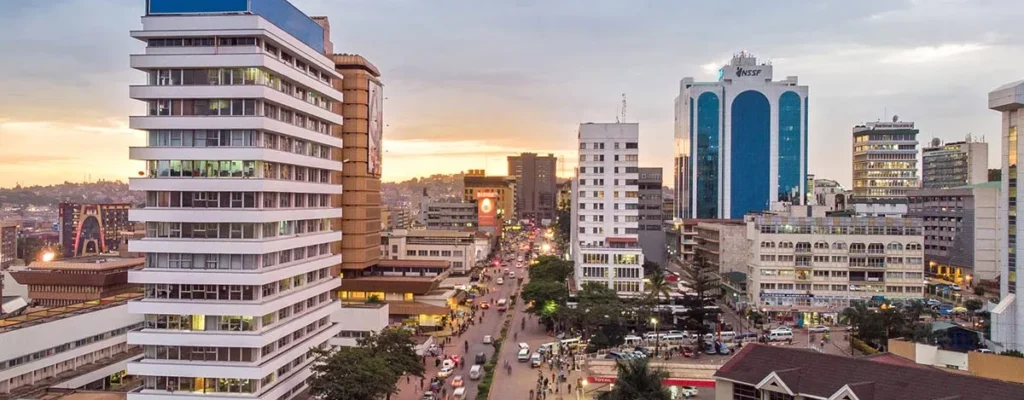
1 Day Amazing Kampala City Tour
Overview
The 1 Day Amazing Kampala City Tour is the perfect introduction to Uganda’s vibrant capital city. Kampala is a fascinating blend of history, culture, religion, business, and modern urban life. Built on seven historic hills, the city offers visitors an opportunity to discover Uganda’s rich heritage, important landmarks, bustling markets, and cultural institutions.
This full-day excursion takes you through some of Kampala’s most iconic attractions, including historical sites, religious landmarks, cultural centers, local markets, and panoramic viewpoints. It is ideal for first-time visitors, business travelers, and anyone interested in learning about Uganda’s history and culture.
Safari Highlights
- City tour
- Cultural tour
- Religion tour
Detailed Itinerary
Day 1: Kampala City Tour and Return
After breakfast, your guide will pick you up from your hotel in Kampala or Entebbe and begin your city exploration.
Your first stop may be the Uganda Museum, the oldest museum in East Africa, where you will learn about Uganda’s cultural heritage, traditional music, archaeology, and history.
Continue to the Kasubi Royal Tombs, the burial grounds of Buganda Kings and a significant cultural site for the Buganda Kingdom. You will gain insight into the traditions, customs, and royal history of one of Uganda’s most influential kingdoms.
Proceed to the Kabaka’s Palace on Mengo Hill, where you will learn about the history of Buganda’s monarchy and visit the historic grounds associated with Uganda’s political history.
Later, visit the Gaddafi National Mosque, one of the largest mosques in East Africa. Climb the minaret for spectacular panoramic views of Kampala’s skyline and surrounding hills. Enjoy lunch at a local restaurant before exploring Owino Market, one of East Africa’s largest and busiest markets. Here you will experience the energy of Kampala’s daily life while observing local trade and commerce.
Depending on time, continue to the Bahá’í Temple, the only Bahá’í House of Worship in Africa, set within peaceful gardens that offer a contrast to the city’s busy atmosphere.
In the late afternoon, return to your hotel or preferred drop-off location.
Accommodation: No Overnight Accommodation
Meal Plan: Lunch
Places Visited During the Tour
- Uganda Museum
- Kasubi Royal Tombs
- Kabaka’s Palace
- Gaddafi National Mosque
- Owino Market
- Bahá’í Temple
- Independence Monument
- Nakasero Market
- Parliament of Uganda (outside view)
- Kampala’s Historic Hills
Optional Activities
- Ndere Cultural Centre Evening Performance
- Uganda Martyrs Shrine Visit
- Craft Market Shopping
- Local Food Experience
- Kampala Nightlife Tour
- Photography Tour
- Entebbe Excursion
- Lake Victoria Sunset Cruise
- Cultural Dance Experience
- Local Coffee Experience
Tour Includes
- Travel in a 4×4 car
- Professional guide
- Park fees
- Accommodation
- Meals
- All Activities In Itinerary
Tour Excludes
- Alcoholic drinks
- Laundry
- Tips
- Shopping
- Insurance
- Anything not included per itinerary
Getting to Know Uganda’s Capital
Kampala, Uganda’s capital and largest city, is often treated as a pass-through point on the way to the country’s national parks, but a dedicated city tour reveals a genuinely layered urban history, from the Kasubi Tombs, the burial ground of Buganda’s kings and a UNESCO World Heritage Site, to bustling markets like Owino and the city’s hillside vantage points offering sweeping views across its seven hills.
This itinerary typically includes stops at the Uganda Martyrs Shrine, the Baha’i Temple, one of only a handful in the world, and a visit to a local market, giving genuine cultural and historical context to a city many travelers otherwise only see from a car window.
A Practical Add-On for Any Trip
Because this is a single day, it works especially well as an arrival or departure-day activity, filling what would otherwise be unstructured time around an international flight with genuine cultural content rather than a full day lost to logistics.
Kampala’s traffic can be significant during peak hours, so this itinerary is planned around timing that avoids the worst congestion wherever possible, keeping the day focused on the sites themselves rather than time spent in transit between them.
Practical Notes
A Uganda e-visa or East Africa Tourist Visa, arranged before travel, is required for most nationalities, along with a yellow fever vaccination certificate if arriving from a country with risk of transmission. Travel insurance covering trekking or wildlife activities and medical evacuation is strongly recommended, and malaria prevention is worth discussing with a travel health clinic ahead of your trip.
US dollars printed after 2009 are widely accepted for park fees, permits and lodge bills, while Ugandan shillings are more practical for tips, markets and smaller day-to-day purchases along the route.
Tipping is customary though not compulsory. Guides typically receive a tip at the end of any guided activity, generally scaled to group size, while your driver-guide is usually tipped separately at the end of the full trip.
What Else to See in Kampala
Beyond the standard sites, Kampala’s Nakasero Market offers a genuinely local shopping and food experience distinct from the more tourist-oriented Owino Market, and the city’s numerous rooftop bars and restaurants give a good sense of contemporary urban Ugandan life beyond the historical sites.
For travelers with a bit more time, the Ndere Cultural Centre offers traditional music and dance performances representing multiple Ugandan ethnic groups, a worthwhile evening addition if your schedule allows an extra stop beyond the standard day tour.
Additional Details
Kampala’s layered history reflects successive waves of influence, from the Buganda Kingdom’s traditional governance structures, still ceremonially active today, through the colonial period, to the modern, fast-growing East African capital the city has become. A good guide threads these layers together in a way that’s difficult to piece together independently within a single day.
A Uganda e-visa or East Africa Tourist Visa, arranged before travel, is required for most nationalities, along with a yellow fever vaccination certificate if arriving from a country with risk of transmission. Travel insurance is strongly recommended, and malaria prevention is worth discussing with a travel health clinic ahead of your trip.
Exploring Kampala’s Culture and History
Uganda’s capital sits across seven hills, each historically associated with a different aspect of the city’s development, and a guided tour typically takes in the Kasubi Tombs, the burial site of the Buganda kings and a UNESCO World Heritage Site, alongside the Uganda Martyrs Shrine at Namugongo and the bustling Owino market, one of East Africa’s largest open-air markets. The Uganda National Mosque, sitting atop Old Kampala Hill, offers panoramic views over the city from its minaret. Kampala’s energy, a mix of colonial-era architecture, modern development and constant street-level activity, provides useful context before or after time spent in the country’s national parks.
Conservation Fees and Community Impact
Park entry fees, gorilla and chimpanzee permits, and conservancy fees paid by visitors form a direct funding stream for anti-poaching patrols, habitat protection and, in many areas, a formal revenue-sharing arrangement with communities living along park boundaries. This model has been credited with turning former poachers into park employees and guides in several of the region’s protected areas, and with funding schools, clinics and water projects in communities that once had little direct incentive to protect neighbouring wildlife. Choosing a safari that keeps permit and park fees intact, rather than one built around discounted or informal access, is one of the more concrete ways a traveller supports this system.
Flights and Arrival Logistics
Most international itineraries route through one of the region’s main hub airports — Entebbe for Uganda, Kigali for Rwanda, Nairobi or Mombasa for Kenya, and Kilimanjaro, Dar es Salaam or Zanzibar for Tanzania — with connecting flights or road transfers arranged from there to the specific parks on your itinerary. Visa requirements vary by nationality and by country, though several East African nations now offer e-visas processed online in advance, and Kenya, Rwanda and Uganda participate in an East Africa Tourist Visa that allows single-entry travel across all three countries on one visa, which is useful for itineraries that cross borders. Arrival airports typically operate best in daylight hours, so overnight arrivals are usually followed by a night near the airport before heading out to the parks the next morning.
Responsible and Sustainable Travel
Simple choices — maintaining a respectful distance from wildlife, following your guide’s instructions around habituated primates, avoiding single-use plastics where possible, and buying crafts and produce directly from local cooperatives rather than mass-produced souvenirs — add up across the volume of visitors this region receives each year. Many lodges now run their own conservation or community initiatives, from anti-poaching support to local employment quotas and school sponsorships, and asking about these programmes during your stay is both a way to learn more and a small signal to operators that travellers value this work. Respecting photography etiquette around local communities, including asking permission before photographing people, remains one of the more overlooked aspects of responsible travel in the region.
What to Pack for an East Africa Safari
Neutral-coloured clothing — khaki, olive and beige — works best for game drives and forest walks, since bright colours and pure white can startle wildlife and dark blue or black tends to attract tsetse flies in certain areas. Layers matter more than heavy jackets: mornings on open savannah start cold, especially in an open-sided safari vehicle, but temperatures climb quickly once the sun is up. A good pair of binoculars, a wide-brimmed hat, high-SPF sunscreen and a basic first-aid kit with any personal medication are worth packing regardless of which parks are on the itinerary, along with a dry bag or waterproof cover for cameras and electronics during the rainy season.
Choosing When to Travel
East Africa’s weather generally divides into two dry seasons — roughly December to February and June to October — and two wetter periods around March to May and November, though rainfall patterns vary by country and region and have become somewhat less predictable in recent years. Dry-season travel tends to concentrate wildlife around permanent water sources, making game viewing more predictable, while the wetter months bring lush scenery, fewer other travellers, and better rates at many lodges, along with the arrival of migratory bird species. Neither period is a bad time to travel; the right choice depends more on whether the priority is guaranteed dry trails and concentrated wildlife or a quieter, greener experience.
Health and Travel Preparation
Most countries in this region require proof of yellow fever vaccination for entry, particularly if arriving from or having transited another yellow-fever-endemic country, and it is worth checking current requirements with your airline or embassy well ahead of departure. Malaria is present across most safari areas at varying risk levels, so consulting a travel health clinic about prophylaxis, alongside practical measures like insect repellent and covering up at dawn and dusk when mosquitoes are most active, is standard advice for the region. Comprehensive travel insurance that explicitly covers emergency medical evacuation is strongly recommended for any itinerary involving remote parks, since the nearest advanced medical facility can be several hours away by road or air.
Money and Practical Travel Tips
US dollars are widely accepted for park fees, permits and larger payments across the region, though local currency is generally needed for smaller purchases, tips and market shopping, and it is worth carrying a mix of both. Bank notes printed before 2009 are frequently refused at borders and by vendors, so it is worth requesting newer notes from your bank before travel. Tipping guides, drivers and lodge staff is customary and appreciated, though not obligatory, and most lodges and safari operators can advise on appropriate amounts if it is your first visit to the region.
Get Your Tailored 1 Day Amazing Kampala City Tour
Uganda Safari Photos
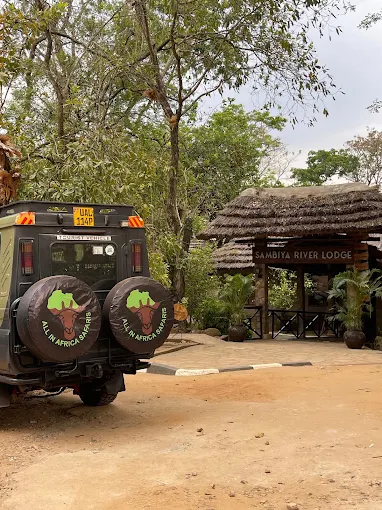
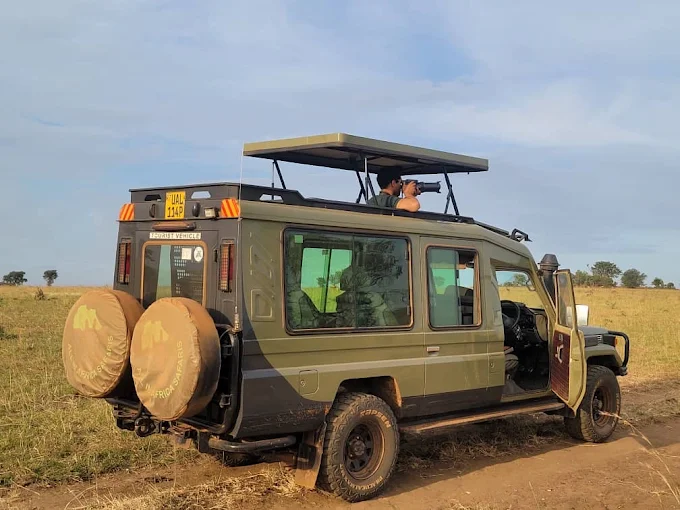
Our Green Spot Campaign
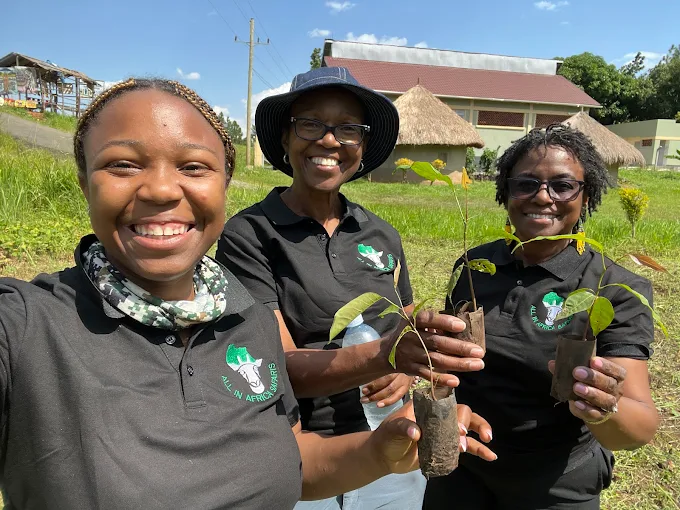
Every safari with us supports our Green Spot Campaign — planting trees across Uganda’s communities. Learn more & get involved →
All in Africa Safaris arranges tours to Uganda, Rwanda, Kenya and Tanzania
3 Days Murchison Falls Safari
Discover the Wildlife in the Murchison Falls National Park with engagement with a boat cruise and game drives which lead to a nature walk on top of the falls
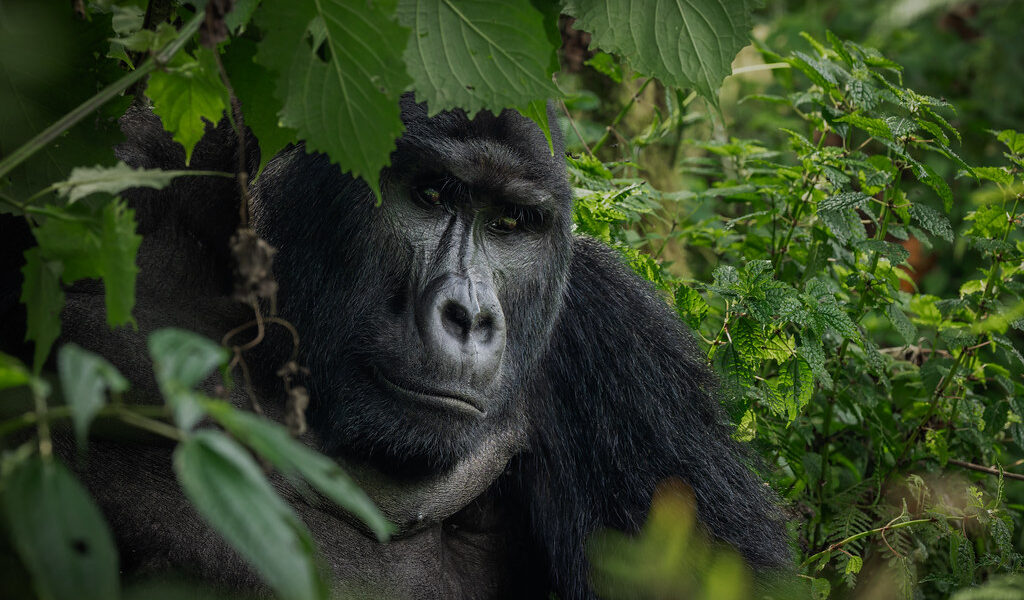
4 Days Gorillas & Queen Wildlife
Visit the magical national parks of Uganda known as Bwindi Forest and Queen Elizabeth National Park including gorilla trekking and wildlife views for travelers
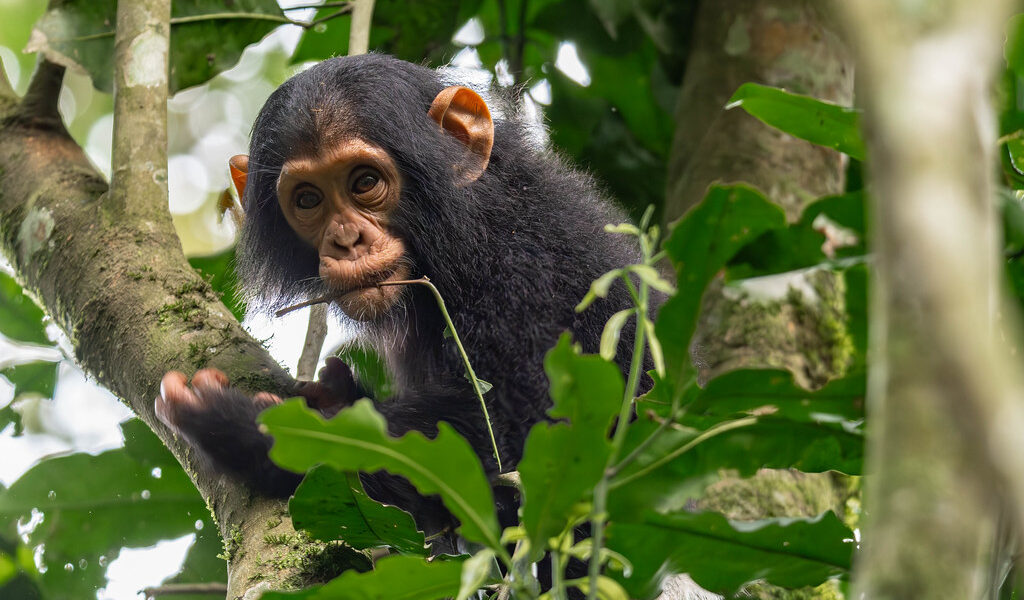
5 Days Gorillas & Chimps Track
Explore the great Mgahinga National Park conserving and protecting the endangered Mountain gorillas & chimpanzees in the pearl of Africa
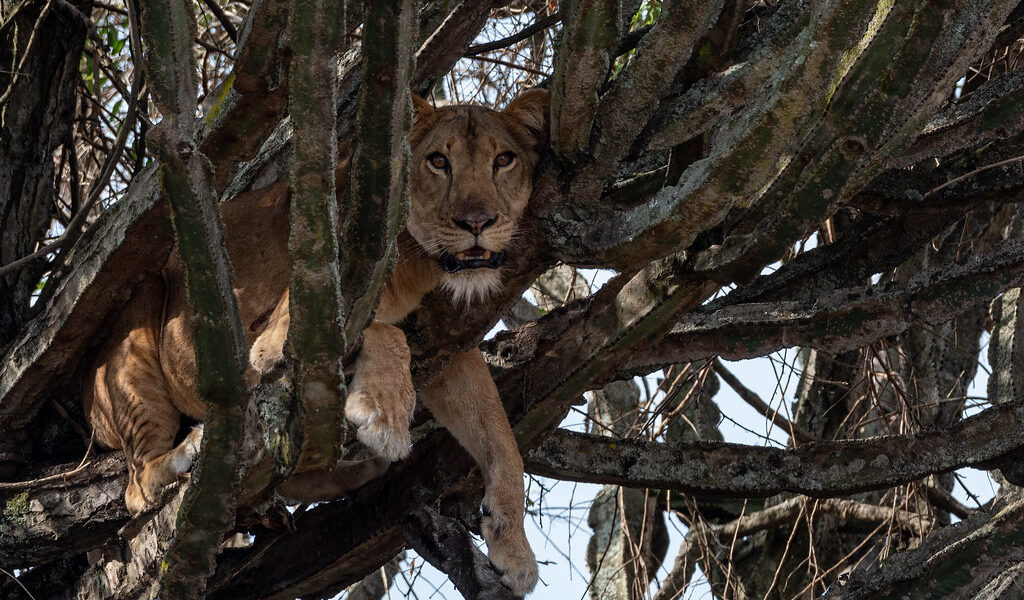
6 Days Uganda Safari
Visit the magical national parks of Uganda known as Bwindi Forest and Queen Elizabeth National Park which include the gorilla trekking and wildlife views
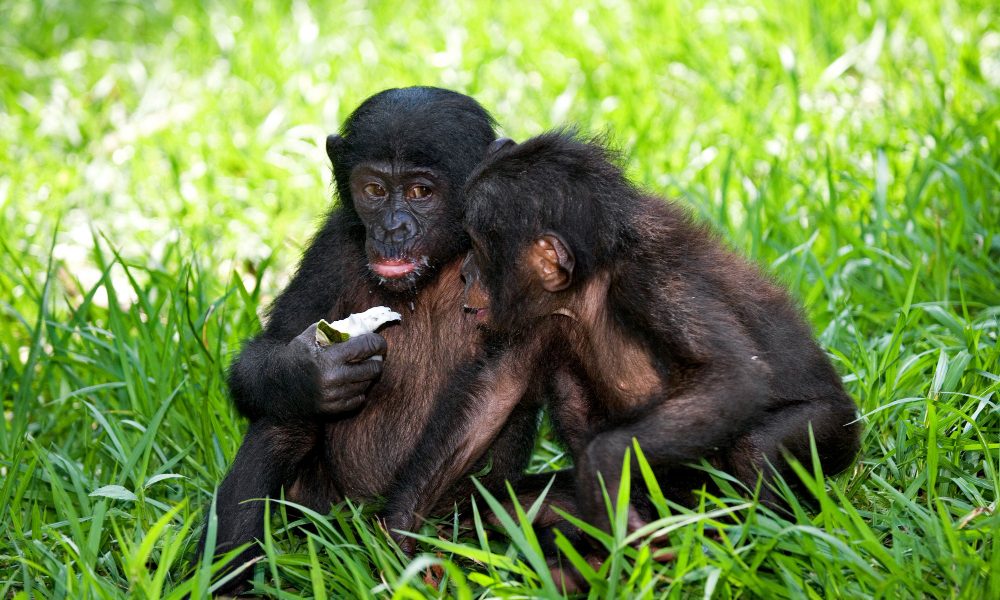
1 Day Bwindi Gorilla Tour from Kigali
A fast-paced day trip from Kigali into Bwindi Impenetrable Forest for a single unforgettable hour with a mountain gorilla family
3 Days Chimpanzee Tracking in Kibale
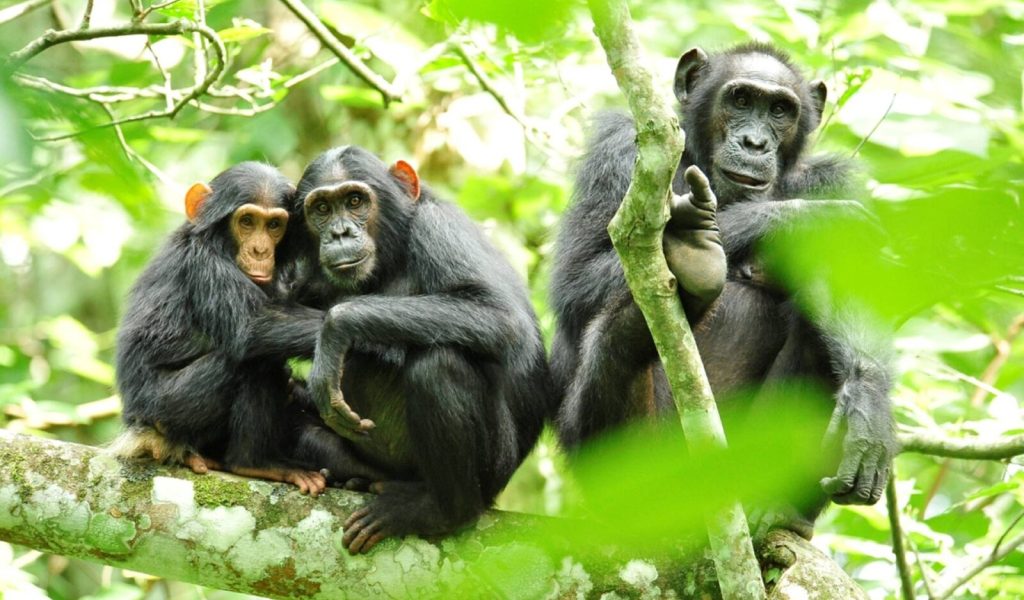
Track chimpanzees through Africa’s primate capital, Kibale Forest, alongside a community walk through Bigodi Wetland Sanctuary
4 Days Kidepo Valley Wildlife Safari
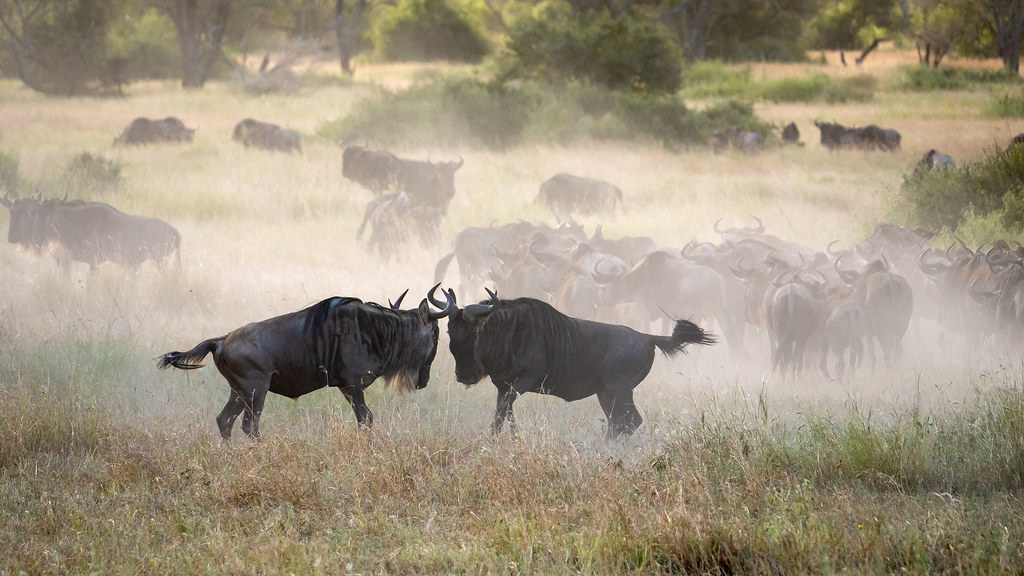
Venture into Uganda’s most remote wilderness for cheetahs, ostriches and dramatic mountain scenery few visitors ever see
7 Day Kidepo and Sipi Safari
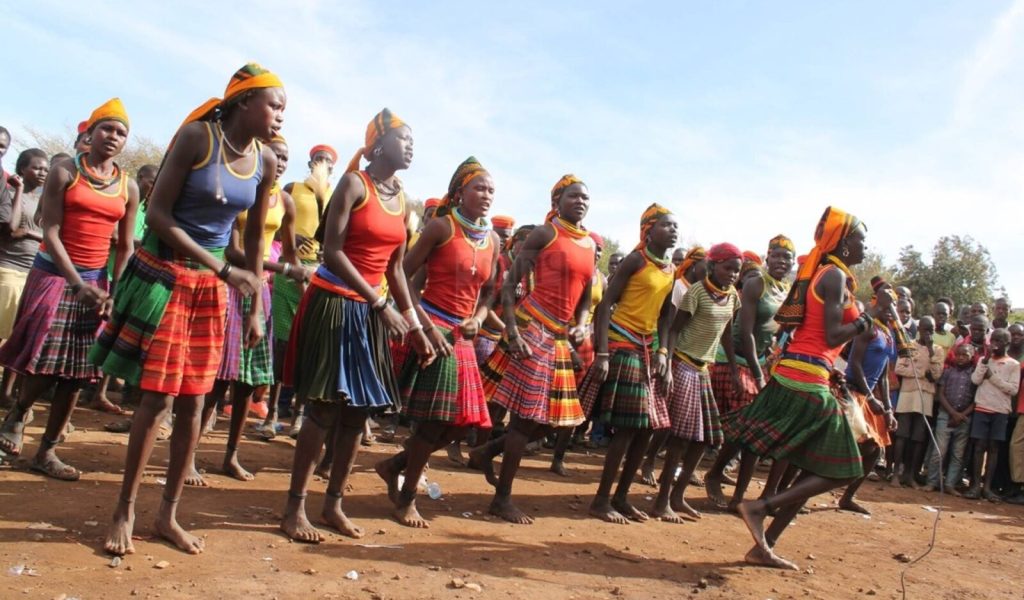
Combine Kidepo Valley’s wild plains with waterfall hikes and coffee tours in the Sipi Falls region
10 Days Rwanda Uganda Safari
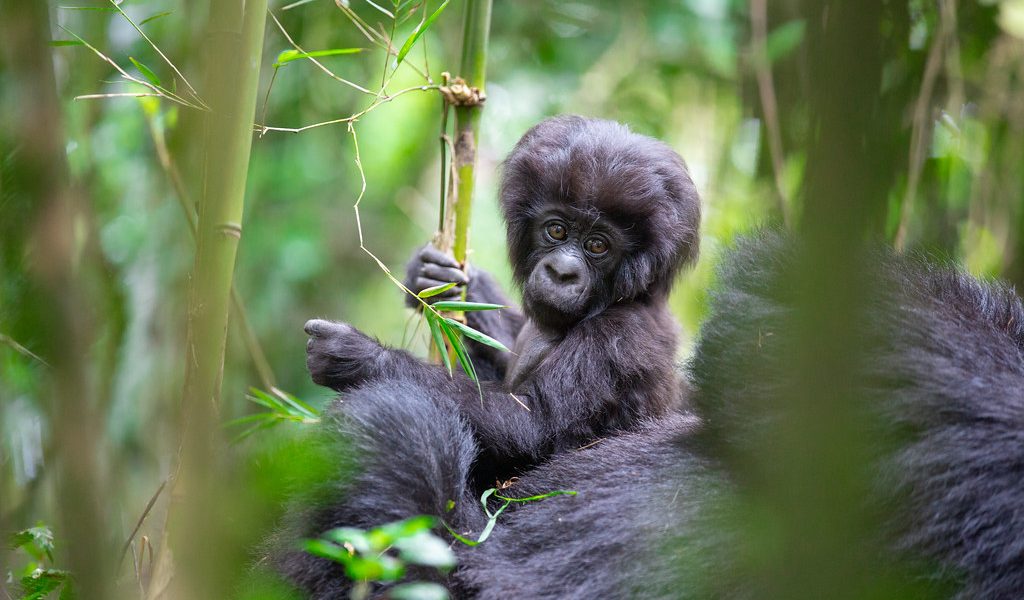
A complete circuit through Volcanoes, Bwindi, Queen Elizabeth and Kibale for gorillas, chimps and classic wildlife
12 Days Uganda Leisure Holidays
An unhurried two-week journey through Murchison Falls, Kibale, Queen Elizabeth, Bwindi and Lake Mburo
14 Days Uganda Northern Circuit
Explore Kidepo Valley, Murchison Falls and Sipi Falls on this off-the-beaten-path northern adventure
15 Days Uganda Safari
Uganda’s full highlight reel across two relaxed weeks of gorillas, chimps, wildlife and scenic countryside