
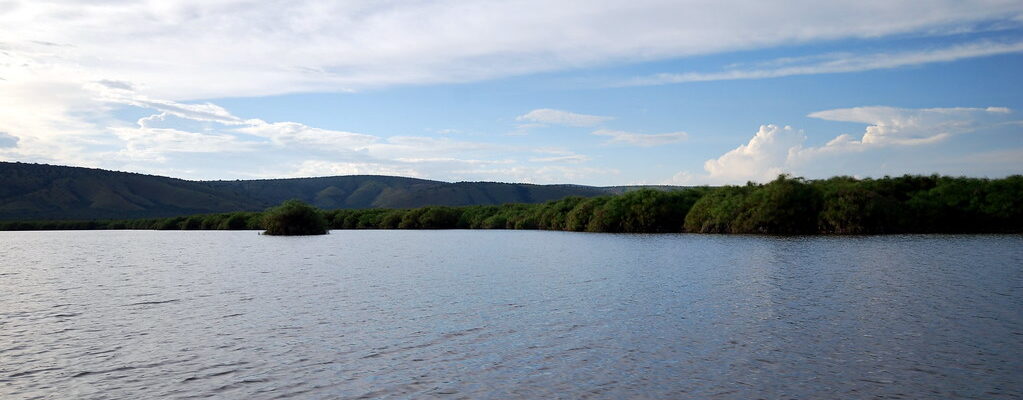
2 Days Tour to Lake Mburo in Uganda
Overview
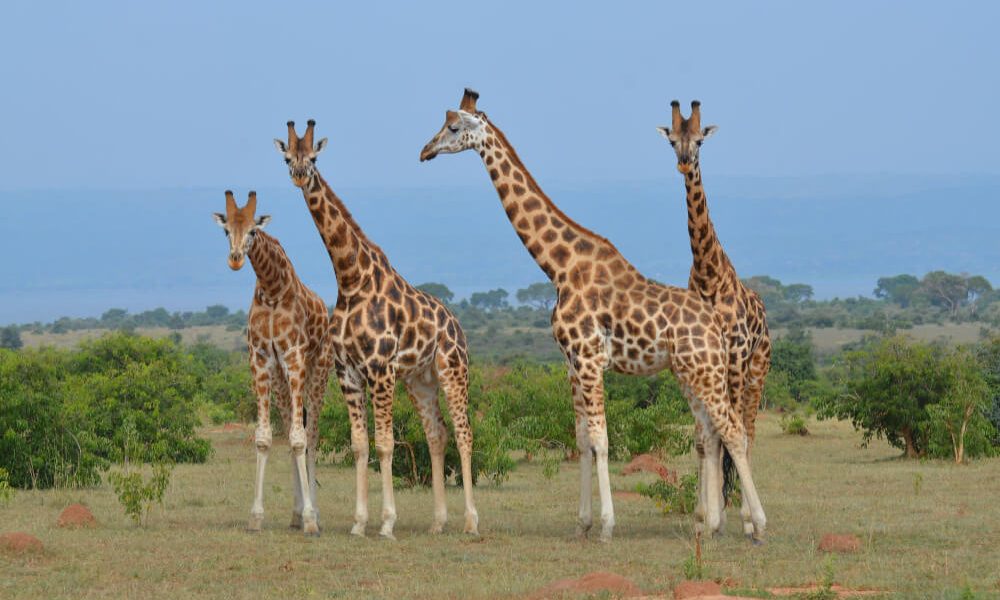
The 2 Days Great Tour to Lake Mburo National Park is a perfect short safari for travelers seeking wildlife, nature, and relaxation within a limited time. Located in western Uganda, Lake Mburo National Park is the closest savannah national park to Kampala and Entebbe and is famous for its large populations of zebras, giraffes, impalas, buffaloes, elands, and hippos.
This safari combines a scenic road trip through Uganda’s countryside with exciting wildlife encounters, a boat cruise on Lake Mburo, and opportunities for guided nature walks. The park’s compact size and diverse habitats make it an excellent destination for a quick wildlife getaway.
Safari Highlights
- Game Drive
- wildlife viewing
- Nature walks
- Boat Cruise
Detailed Itinerary
Day 1: Transfer from Entebbe or Kampala to Lake Mburo National Park and Afternoon Boat Cruise
Your safari begins with an early morning departure from Kampala or Entebbe. Drive through central Uganda towards western Uganda while enjoying views of traditional homesteads, farms, rolling hills, and local trading centers. Along the way, stop at the Uganda Equator for photographs, refreshments, and an opportunity to witness one of the world’s most famous geographical landmarks.
Continue to Lake Mburo National Park and arrive in time for lunch at your lodge. After some relaxation, proceed for an afternoon boat cruise on Lake Mburo.
The boat cruise offers excellent opportunities to observe hippos, crocodiles, buffaloes, and numerous bird species along the shoreline. African fish eagles, kingfishers, herons, cormorants, and other water birds are commonly seen during the excursion.
Return to your lodge in the evening for dinner and overnight.
Accommodation: Rwakobo Rock / Mburo Safari Lodge / Kigambira Safari Lodge / Eagles Nest Lake Mburo
Meal Plan: Lunch and Dinner
Day 2: Morning Game Drive and Return to Entebbe or Kampala
Wake up early for a morning game drive through the park’s wildlife-rich areas. Lake Mburo National Park is the best place in Uganda to see large herds of zebras and is also home to giraffes, impalas, topis, elands, waterbucks, buffaloes, and warthogs.
Your guide will explore different tracks within the park while searching for wildlife and providing information about the park’s ecosystem. Early morning is also one of the best times to spot hyenas and leopards if conditions are favorable.
After the game drive, return to the lodge for breakfast before checking out and beginning the journey back to Kampala or Entebbe. Enjoy another stop at the Equator for lunch and souvenir shopping before continuing to your hotel or Entebbe International Airport.
Accommodation: No Overnight Accommodation
Meal Plan: Breakfast and Lunch
Optional Activities
Lake Mburo National Park
- Guided Nature Walk
- Horseback Safari
- Night Game Drive
- Cycling Safari
- Bird Watching Excursion
- Fishing Experience on Lake Mburo
- Community Cultural Visit
- Photography Safari
- Sundowner Experience
- Behind-the-Scenes Ranger Experience
Tour Includes
- Travel in a 4×4 car
- Professional guide
- Park fees
- Accommodation
- Meals
- All Activities In Itinerary
Tour Excludes
- Alcoholic drinks
- Laundry
- Tips
- Shopping
- Insurance
- Anything not included per itinerary
Uganda’s Smallest Savannah Park
Lake Mburo National Park, roughly three hours from Kampala along the road to Bwindi, is Uganda’s smallest savannah park, but its compact size makes it uniquely accessible for activities not permitted in the country’s larger parks, including walking safaris and night game drives alongside standard vehicle-based viewing.
The park’s open acacia woodland and rolling hills hold zebra, eland and impala, species found nowhere else in Uganda, alongside healthy populations of buffalo and a substantial hippo population in the lake itself, giving genuine wildlife variety despite the park’s modest size.
Practical Notes
A Uganda e-visa or East Africa Tourist Visa, arranged before travel, is required for most nationalities, along with a yellow fever vaccination certificate if arriving from a country with risk of transmission. Travel insurance covering trekking or wildlife activities and medical evacuation is strongly recommended, and malaria prevention is worth discussing with a travel health clinic ahead of your trip.
US dollars printed after 2009 are widely accepted for park fees, permits and lodge bills, while Ugandan shillings are more practical for tips, markets and smaller day-to-day purchases along the route.
Tipping is customary though not compulsory. Guides typically receive a tip at the end of any guided activity, generally scaled to group size, while your driver-guide is usually tipped separately at the end of the full trip.
A private 4×4 safari vehicle with an experienced English-speaking driver-guide accompanies you throughout this itinerary.
Activities Unique to Lake Mburo
Lake Mburo is one of the few Ugandan parks where walking safaris are permitted with an armed ranger, offering a genuinely different, slower-paced way to experience the bush than a vehicle-based game drive, and particularly rewarding for birdwatchers given the park’s rich birdlife across its varied woodland and lakeshore habitats.
A boat trip on Lake Mburo itself is also commonly added, bringing you close to hippo pods and water birds along the shoreline, and because the park sits directly along the main road between Kampala and Bwindi, it works efficiently as a stopover on a longer itinerary rather than requiring a dedicated detour.
Additional Details
Because Lake Mburo is Uganda’s smallest savannah park, some travelers underestimate what it offers, but its compact size is precisely what enables activities restricted elsewhere: walking safaris, night game drives, and a genuinely relaxed pace of exploration that larger, more heavily regulated parks cannot always accommodate. The park’s varied habitat, from open grassland to acacia woodland to the lakeshore itself, supports a density of wildlife disproportionate to its modest total area.
A Uganda e-visa or East Africa Tourist Visa, arranged before travel, is required for most nationalities, along with a yellow fever vaccination certificate if arriving from a country with risk of transmission. Travel insurance is strongly recommended, and malaria prevention is worth discussing with a travel health clinic ahead of your trip.
Physical Preparation for Gorilla Trekking
Gorilla trekking in Bwindi is graded as moderate to strenuous depending on where the assigned family is ranging that day. Trails climb steep, muddy ridges through tangled vegetation, and altitude in the park ranges from roughly 1,160 to 2,607 metres, so a reasonable level of fitness helps considerably. Porters are available at the trailhead for a small fee and are worth hiring — they carry daypacks, offer a steadying hand on slick sections, and their fee directly supports the local community bordering the park. Waterproof hiking boots with good ankle support, a long-sleeved shirt and trousers to guard against nettles and safari ants, gardening gloves, and a rain jacket are the essentials most trekkers wish they had packed. Because Bwindi sits in a genuine rainforest, showers are possible in any month, so dressing in breathable layers rather than heavy clothing keeps the trek comfortable.
Wildlife and Activities at Lake Mburo
Lake Mburo National Park, Uganda’s smallest savannah park, is unique among the country’s protected areas in permitting both walking safaris and horseback rides among its wildlife, an experience not possible in parks with predators as dominant as elsewhere in the country. Zebra, impala, eland, topi and warthog are common sightings, and the park is one of the best places in Uganda to see the localised impala for which it is named. A boat trip on Lake Mburo itself brings sightings of hippo, crocodile and a wide range of water birds, including the African fish eagle. Its position just off the main highway between Kampala and the southwestern parks makes it a convenient and worthwhile stopover on longer itineraries heading toward Bwindi or the Rwanda border.
Packing Tips for Combined Safari and Trekking Itineraries
Itineraries that combine game drives with forest or mountain activity call for slightly different kit than a pure savannah safari — sturdy, broken-in hiking boots rather than sandals, a rain jacket regardless of season since forest weather is less predictable than open plains, and a daypack for carrying water and a camera on any walking portion of the trip. Soft-sided duffel bags rather than rigid suitcases are strongly preferred for any leg of the journey involving light aircraft, since cargo space on small charter planes is limited and hard-sided luggage often will not fit. A universal power adapter and a portable charger are also worth including, since some safari lodges rely on generator power available only at set hours.
Choosing When to Travel
East Africa’s weather generally divides into two dry seasons — roughly December to February and June to October — and two wetter periods around March to May and November, though rainfall patterns vary by country and region and have become somewhat less predictable in recent years. Dry-season travel tends to concentrate wildlife around permanent water sources, making game viewing more predictable, while the wetter months bring lush scenery, fewer other travellers, and better rates at many lodges, along with the arrival of migratory bird species. Neither period is a bad time to travel; the right choice depends more on whether the priority is guaranteed dry trails and concentrated wildlife or a quieter, greener experience.
Health and Travel Preparation
Most countries in this region require proof of yellow fever vaccination for entry, particularly if arriving from or having transited another yellow-fever-endemic country, and it is worth checking current requirements with your airline or embassy well ahead of departure. Malaria is present across most safari areas at varying risk levels, so consulting a travel health clinic about prophylaxis, alongside practical measures like insect repellent and covering up at dawn and dusk when mosquitoes are most active, is standard advice for the region. Comprehensive travel insurance that explicitly covers emergency medical evacuation is strongly recommended for any itinerary involving remote parks, since the nearest advanced medical facility can be several hours away by road or air.
Money and Practical Travel Tips
US dollars are widely accepted for park fees, permits and larger payments across the region, though local currency is generally needed for smaller purchases, tips and market shopping, and it is worth carrying a mix of both. Bank notes printed before 2009 are frequently refused at borders and by vendors, so it is worth requesting newer notes from your bank before travel. Tipping guides, drivers and lodge staff is customary and appreciated, though not obligatory, and most lodges and safari operators can advise on appropriate amounts if it is your first visit to the region.
Safari Vehicles and Getting Around
Most game drives are conducted in a 4×4 safari vehicle with a pop-up roof, allowing you to stand for unobstructed photography and viewing while remaining shaded from direct sun. On itineraries that combine several parks across a wide area, internal flights on light aircraft are often used to cut down long road transfers, particularly between remote parks like Kidepo Valley or across the wider Serengeti-Mara ecosystem, while road transfers between closer parks allow more scenery and a chance to pass through local towns and villages along the way. Your guide-driver typically stays with you for the full ground portion of the trip, providing continuity and increasingly detailed local knowledge as the days progress.
Choosing Accommodation on Safari
Safari accommodation ranges from simple tented camps with shared facilities to luxury lodges with private plunge pools, and the right choice depends more on personal priorities than on the quality of wildlife viewing available at each level. Mid-range lodges and permanent tented camps generally strike a good balance of comfort, character and value, often built with open-sided common areas that let you watch wildlife from the dining area or deck without needing to leave camp. Because many of the best-located properties have limited rooms, especially inside national parks rather than on their boundaries, booking accommodation early is often more time-sensitive than booking the safari itself, particularly for travel during peak dry-season months.
Get Your Tailored 2 Days Great Tour to Lake Mburo in Uganda
Uganda Safari Photos
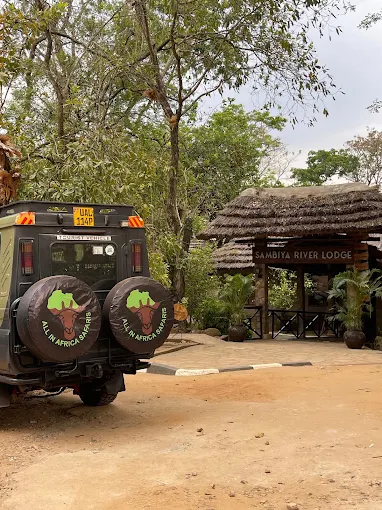
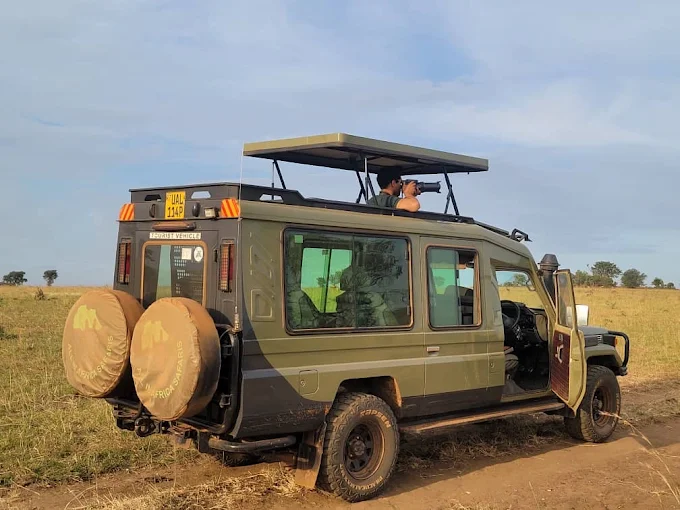
Our Green Spot Campaign
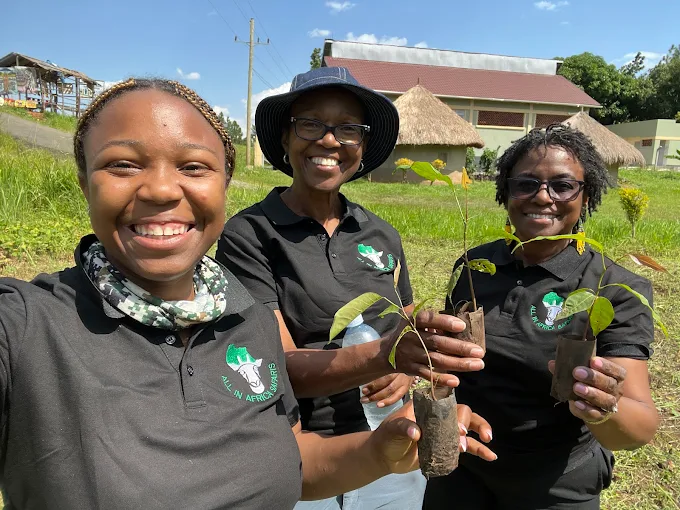
Every safari with us supports our Green Spot Campaign — planting trees across Uganda’s communities. Learn more & get involved →
All in Africa Safaris arranges tours to Uganda, Rwanda, Kenya and Tanzania
3 Days Murchison Falls Safari
Discover the Wildlife in the Murchison Falls National Park with engagement with a boat cruise and game drives which lead to a nature walk on top of the falls
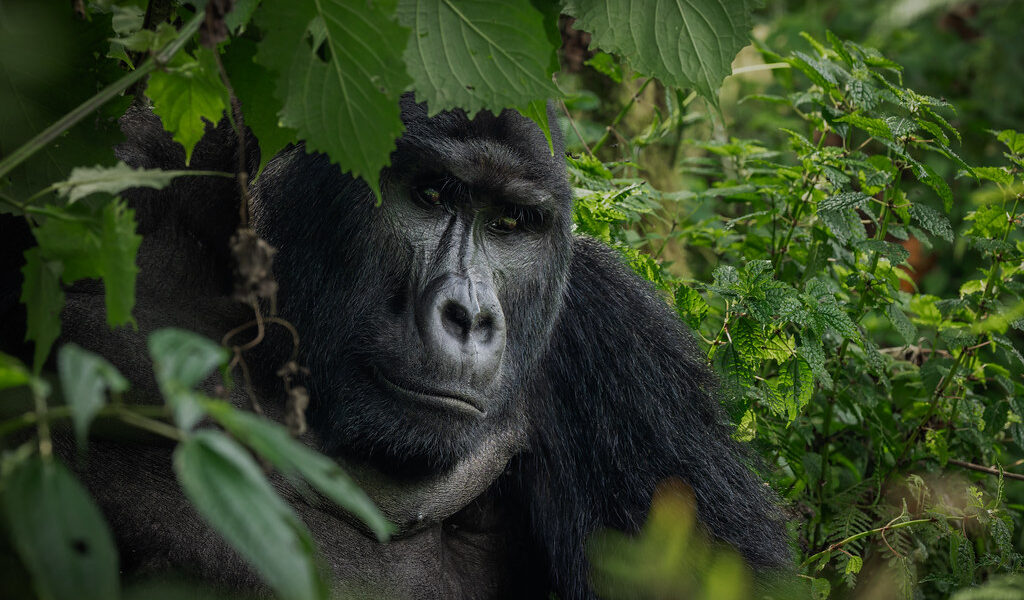
4 Days Gorillas & Queen Wildlife
Visit the magical national parks of Uganda known as Bwindi Forest and Queen Elizabeth National Park including gorilla trekking and wildlife views for travelers
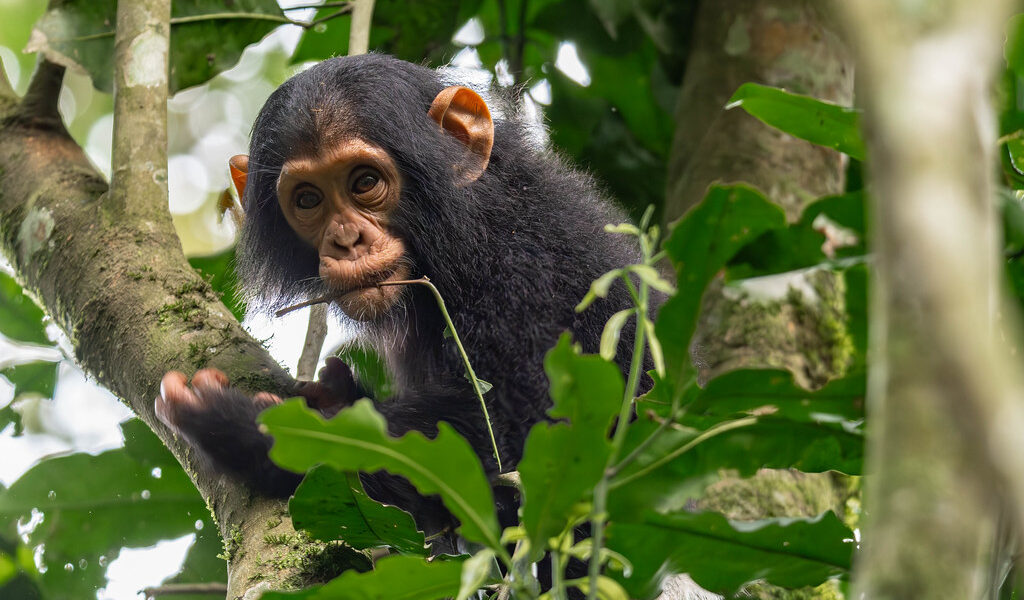
5 Days Gorillas & Chimps Track
Explore the great Mgahinga National Park conserving and protecting the endangered Mountain gorillas & chimpanzees in the pearl of Africa
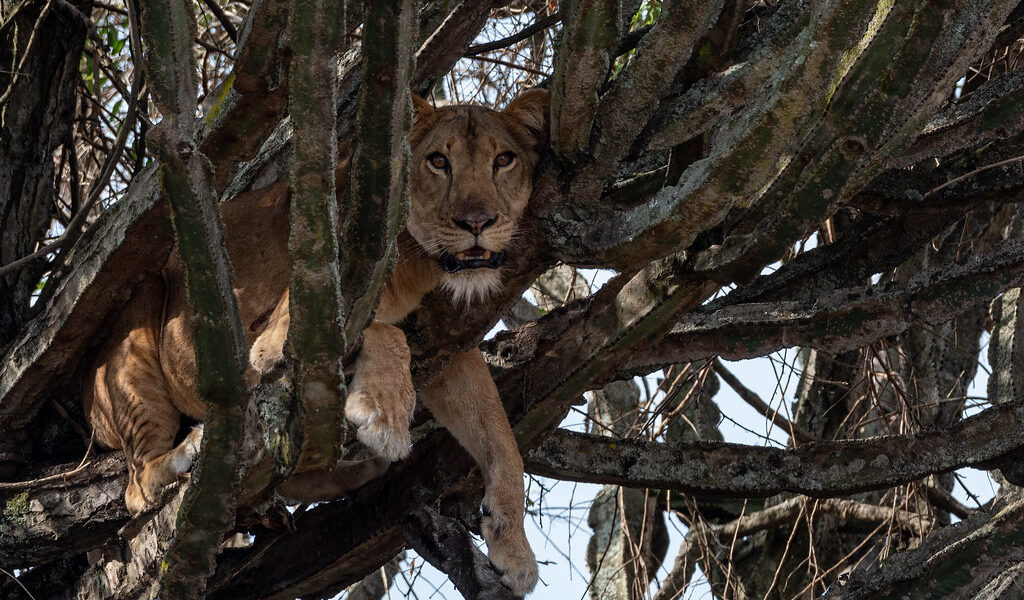
6 Days Uganda Safari
Visit the magical national parks of Uganda known as Bwindi Forest and Queen Elizabeth National Park which include the gorilla trekking and wildlife views
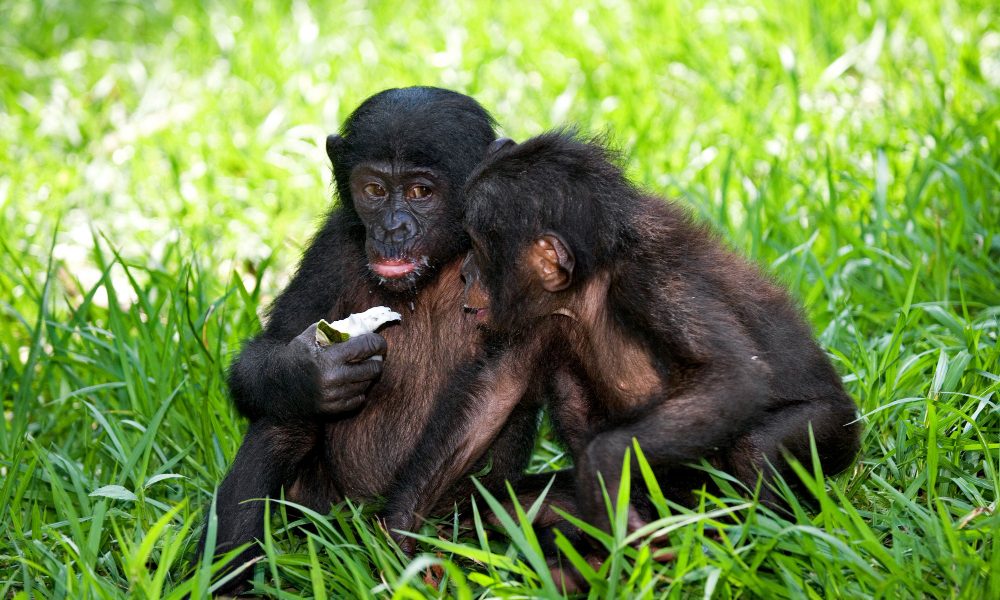
1 Day Bwindi Gorilla Tour from Kigali
A fast-paced day trip from Kigali into Bwindi Impenetrable Forest for a single unforgettable hour with a mountain gorilla family
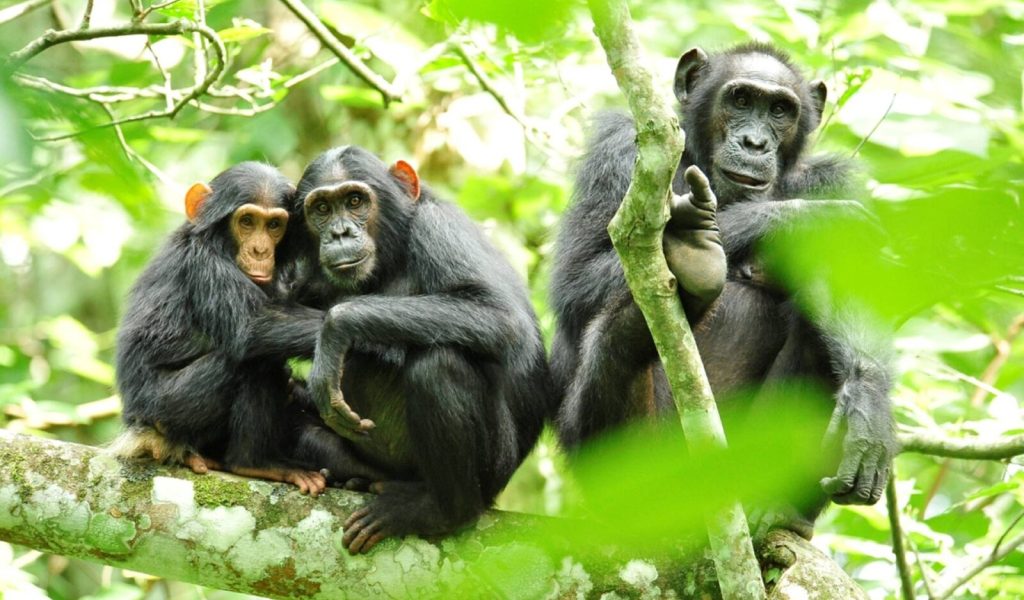
3 Days Chimpanzee Tracking in Kibale
Track chimpanzees through Africa’s primate capital, Kibale Forest, alongside a community walk through Bigodi Wetland Sanctuary
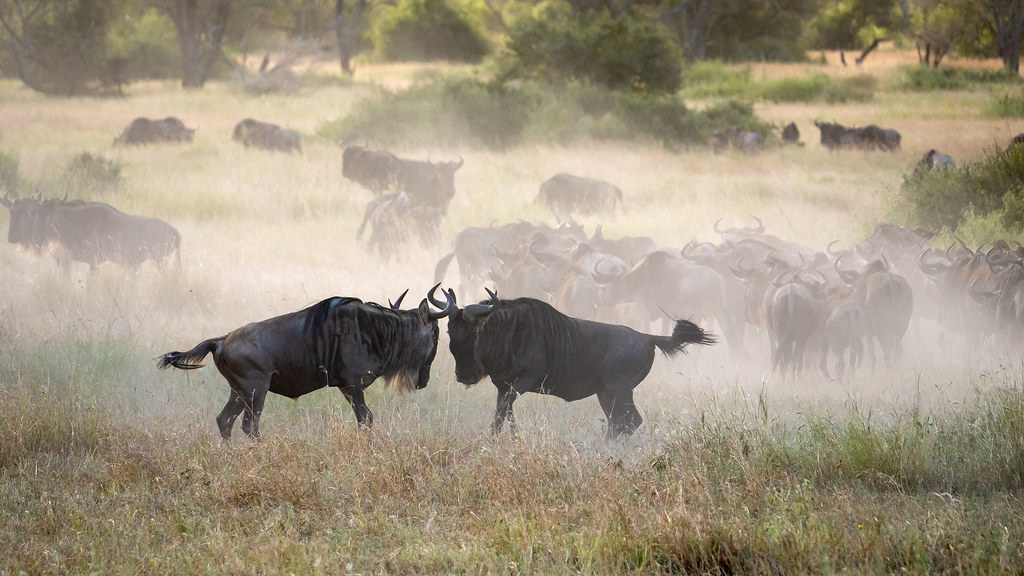
4 Days Kidepo Valley Wildlife Safari
Venture into Uganda’s most remote wilderness for cheetahs, ostriches and dramatic mountain scenery few visitors ever see
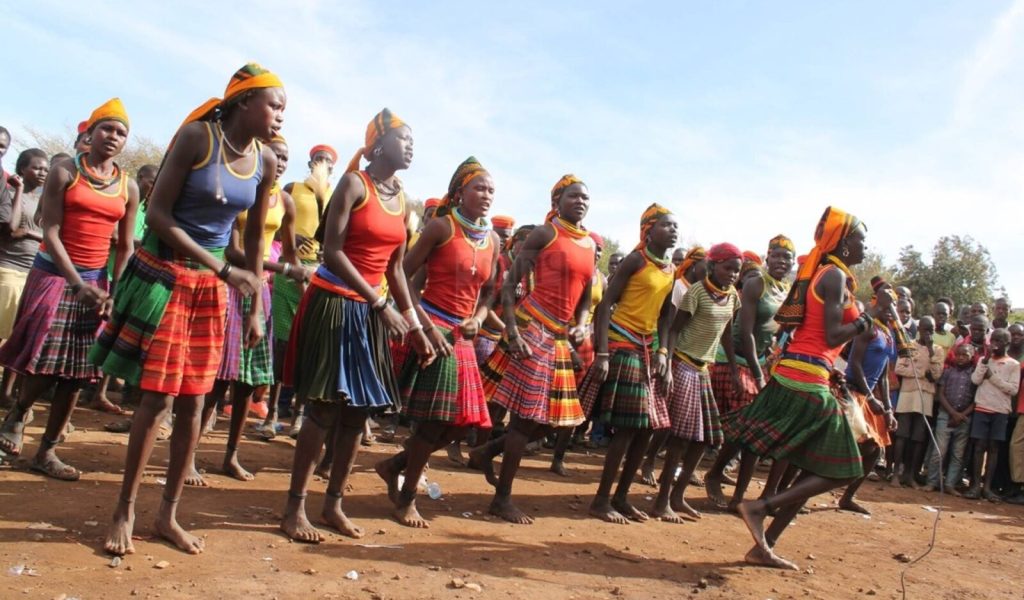
7 Day Kidepo and Sipi Safari
Combine Kidepo Valley’s wild plains with waterfall hikes and coffee tours in the Sipi Falls region
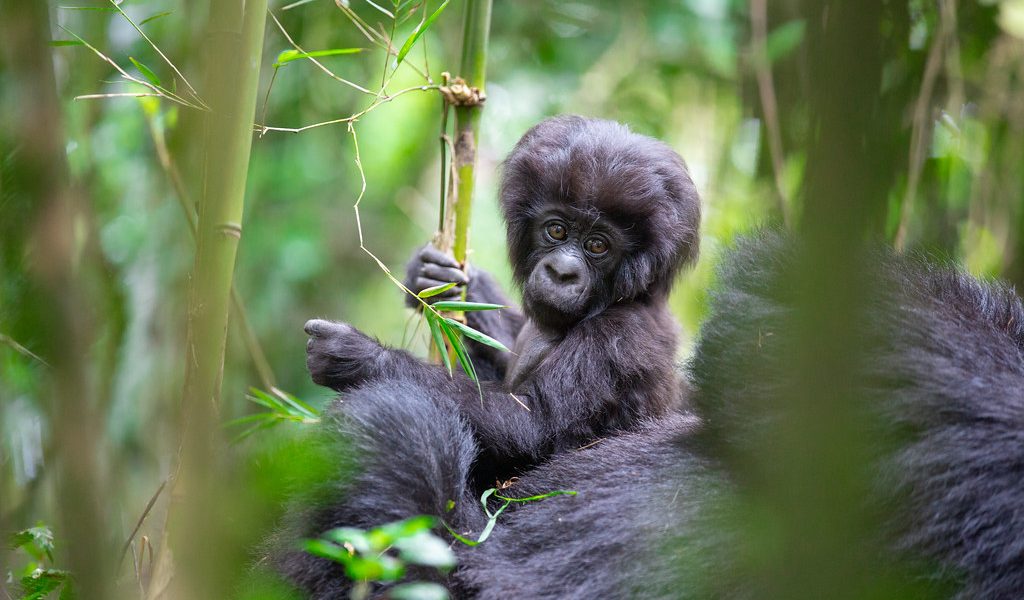
10 Days Rwanda Uganda Safari
A complete circuit through Volcanoes, Bwindi, Queen Elizabeth and Kibale for gorillas, chimps and classic wildlife
12 Days Uganda Leisure Holidays
An unhurried two-week journey through Murchison Falls, Kibale, Queen Elizabeth, Bwindi and Lake Mburo
14 Days Uganda Northern Circuit
Explore Kidepo Valley, Murchison Falls and Sipi Falls on this off-the-beaten-path northern adventure
15 Days Uganda Safari
Uganda’s full highlight reel across two relaxed weeks of gorillas, chimps, wildlife and scenic countryside