
6 Days Masai Mara, Nakuru Safari
Overview
This 6 Days Best of Masai Mara, Nakuru and Amboseli Safari takes you through three of Kenya’s most iconic wildlife destinations. Experience the legendary Masai Mara National Reserve, famous for the Big Five and the Great Migration, explore Lake Nakuru National Park, renowned for its rhino population and birdlife, and discover Amboseli National Park, home to large elephant herds and breathtaking views of Mount Kilimanjaro.
This safari offers an incredible combination of wildlife, scenic landscapes, cultural encounters, and unforgettable game viewing experiences.
Safari Highlights
- Game Drive
- Nature walks
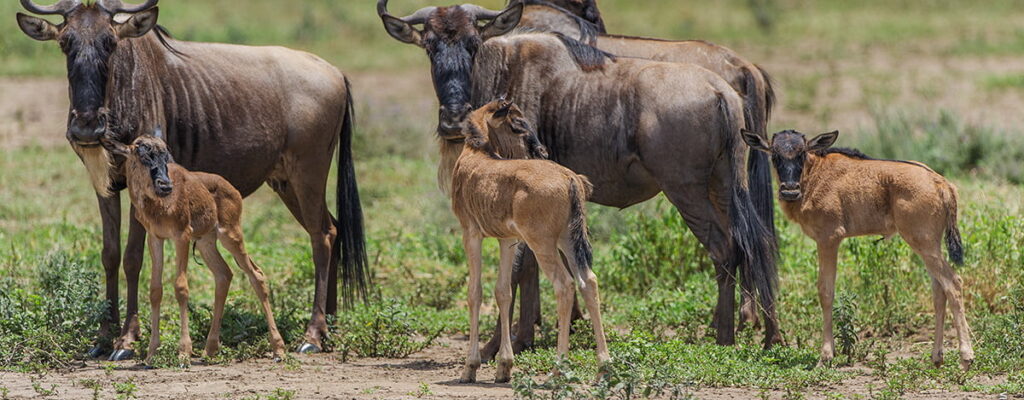
- Wildebeest migration
Detailed Itinerary
Day 1: Nairobi to Masai Mara National Reserve
After breakfast, depart Nairobi and drive through the scenic Great Rift Valley towards Masai Mara National Reserve.
Stop at the Rift Valley viewpoint for photographs before continuing through Narok Town and arriving at the reserve in time for lunch.
In the afternoon, enjoy your first game drive across the vast plains of the Masai Mara. Search for lions, elephants, buffaloes, giraffes, zebras, wildebeests, and numerous antelope species.
Return to the lodge for dinner and overnight.
Accommodation Options
Budget: Enchoro Wildlife Camp
Mid-range: Zebra Plains Mara Camp
Luxury: Mara Serena Safari Lodge
Meals: Lunch and Dinner
Day 2: Full Day Safari in Masai Mara
After an early breakfast, depart with packed lunch for a full day of wildlife viewing.
Explore different regions of the reserve including the famous Mara River. Search for the Big Five and enjoy sightings of cheetahs, hyenas, jackals, hippos, crocodiles, and a variety of bird species.
During the migration season from July to October, witness the spectacular movement of wildebeests and zebras across the Mara ecosystem.
Return to the lodge in the evening for dinner and overnight.
Accommodation
As above
Meals: Breakfast, Lunch and Dinner
Day 3: Masai Mara to Lake Nakuru National Park
After breakfast, enjoy a morning game drive as you exit the reserve.
Drive to Lake Nakuru National Park and arrive in time for lunch.
In the afternoon, enjoy a game drive around the park. Look out for white rhinos, black rhinos, Rothschild’s giraffes, buffaloes, zebras, waterbucks, lions, and leopards.
The park is also known for its beautiful lake and diverse birdlife.
Return to the lodge for dinner and overnight.
Accommodation Options
Budget: Citymax Hotel Nakuru
Mid-range: Lake Nakuru Sopa Lodge
Luxury: Sarova Lion Hill Game Lodge
Meals: Breakfast, Lunch and Dinner
Day 4: Lake Nakuru to Amboseli National Park
After breakfast, depart Lake Nakuru and travel south towards Amboseli National Park.
Enjoy scenic views of the Kenyan countryside along the way before arriving at Amboseli in the afternoon.
After checking into your lodge and having lunch, head out for an afternoon game drive. Amboseli is famous for its large elephant herds and spectacular views of Mount Kilimanjaro.
Return to the lodge for dinner and overnight.
Accommodation Options
Budget: Kimana Camp
Mid-range: Amboseli Sopa Lodge
Luxury: Ol Tukai Lodge
Meals: Breakfast, Lunch and Dinner
Day 5: Full Day Safari in Amboseli National Park
After breakfast, spend the entire day exploring Amboseli National Park.
Visit Observation Hill for panoramic views of the park, swamps, and wildlife-rich plains. Search for elephants, lions, cheetahs, buffaloes, giraffes, zebras, wildebeests, hyenas, and numerous bird species.
The backdrop of Africa’s highest mountain makes Amboseli one of Kenya’s most photogenic safari destinations.
Return to the lodge in the evening for dinner and overnight.
Accommodation
As above
Meals: Breakfast, Lunch and Dinner
Day 6: Morning Game Drive and Return to Nairobi
Wake up early for a final game drive and enjoy sunrise views over Mount Kilimanjaro.
Return to the lodge for breakfast before checking out.
Depart Amboseli and drive back to Nairobi, arriving in the afternoon. You will be transferred to your hotel or Jomo Kenyatta International Airport for your onward flight.
Meals: Breakfast and Lunch
Optional Activities
- Hot air balloon safari in Masai Mara
- Champagne bush breakfast
- Maasai village cultural visit
- Bird watching excursions
- Guided nature walks
- Sundowner experience
- Bush dinner under the stars
- Wildlife photography safari
- Night game drive in a private conservancy
- Horse riding near Amboseli
- Cultural visits to Maasai communities
- Visit to local craft markets
Tour Includes
- Travel in a 4×4 car
- Professional guide
- Park fees
- Accommodation
- Meals
- All Activities In Itinerary
Tour Excludes
- Alcoholic drinks
- Laundry
- Tips
- Shopping
- Insurance
- Anything not included per itinerary
Kenya’s Classic Three-Park Combination
This six-day itinerary combines three of Kenya’s most iconic wildlife destinations, the Maasai Mara, Lake Nakuru and Amboseli, in what is widely considered the classic Kenya safari circuit, giving a genuinely comprehensive first look at the country’s wildlife highlights.
Each park contributes something distinct: the Mara for predator density and, in season, the migration; Nakuru for rhino and flamingos; Amboseli for elephant herds against Kilimanjaro’s backdrop.
Practical Notes
Most nationalities can apply for a Kenya e-visa online before travel, and Kenya participates in the East Africa Tourist Visa alongside Uganda and Rwanda. A yellow fever certificate is required for entry if arriving from a country with risk of transmission. Travel insurance covering wildlife activities and medical evacuation is strongly recommended.
Kenyan shillings are useful for everyday purchases, tips and markets, while US dollars printed after 2009 are widely accepted for park fees and lodge bills. Most lodges also accept card payments for incidentals.
Because lodge availability tightens considerably during the June to October peak migration season, we recommend booking this itinerary at least three to four months in advance for travel during that window.
Tipping is customary though not compulsory. Your driver-guide is typically tipped at the end of the full trip, scaled to group size and length of stay, and we’re glad to advise on typical ranges when you book.
A private 4×4 safari vehicle with a pop-up roof and an experienced English-speaking driver-guide accompanies you throughout this itinerary.
Why This Combination Remains Popular
This three-park combination has remained one of our most consistently booked Kenya itineraries because it delivers genuine variety without excessive travel time, each park reachable from the others within a manageable half-day drive or short flight, keeping the itinerary efficient despite covering considerable ground.
For travelers on their first Kenya safari, this combination offers a strong, well-rounded introduction to the country’s wildlife and landscapes, a reliable starting point before considering more specialized or remote destinations on a future trip.
Maasai Culture Around the Mara
The Masai Mara takes its name from the Maasai people who have lived alongside its wildlife for generations, and community conservancies bordering the official reserve now play a significant role in protecting the broader ecosystem while also generating income for local Maasai landowners. A visit to a Maasai village, or manyatta, arranged through a community-run programme, typically includes a warrior dance demonstration, an explanation of traditional cattle-based livelihoods, and insight into how conservation and pastoralist life increasingly intersect in the region. Many camps and lodges bordering the reserve now employ Maasai guides and staff, adding local knowledge and perspective to game drives beyond what wildlife alone can offer.
Elephants and Kilimanjaro Views at Amboseli
Amboseli National Park is defined by two things: its large, easily observable elephant herds, some of which include research subjects that have been studied continuously since the 1970s, and its position directly beneath Mount Kilimanjaro across the Tanzanian border. On clear mornings, particularly at sunrise before cloud builds around the peak later in the day, the sight of elephants moving across the park’s open plains with Kilimanjaro’s snow-capped summit as a backdrop is one of the most photographed scenes in African safari travel. The park’s seasonal swamps, fed by underground rivers originating on Kilimanjaro itself, keep the area green even in dry periods, drawing large concentrations of wildlife to their margins.
Rhinos and Flamingos at Lake Nakuru
Lake Nakuru National Park, centred on a soda lake within Kenya’s Rift Valley, was established originally to protect the lake’s birdlife, particularly the flocks of lesser and greater flamingo that periodically gather along its shores in numbers that can turn the water’s edge pink. Beyond the lake itself, the surrounding park has developed into an important rhino sanctuary, protecting both black and white rhino populations within a fenced, closely monitored area that offers some of the most reliable rhino sightings in East Africa. Rothschild’s giraffe, also introduced to the park as part of a conservation programme, and healthy numbers of lion and leopard round out what is a compact but consistently rewarding park to visit.
Nairobi City and Wildlife Highlights
Nairobi is one of the few capital cities in the world with a national park inside its boundaries, and a morning game drive in Nairobi National Park, with the city’s skyline visible behind grazing giraffe and rhino, is a genuinely unusual way to begin a Kenya safari. The Sheldrick Wildlife Trust’s Elephant Orphanage, where visitors can watch orphaned elephant calves being cared for and readied for eventual release back into the wild, and the Giraffe Centre, which lets visitors hand-feed endangered Rothschild’s giraffe at eye level, are both popular half-day additions for travellers with time before or after their safari.
Climbing Routes on Mount Kilimanjaro
Mount Kilimanjaro, Africa’s highest peak at 5,895 metres, can be climbed via several established routes that vary in scenery, traffic and acclimatisation profile. The Marangu route, the only one with hut-based rather than tented accommodation, is the shortest but also has one of the lower summit success rates due to its fast ascent profile; Machame, nicknamed the Whiskey Route, is more scenic and allows better acclimatisation over a longer itinerary; and Lemosho, the longest of the popular routes, offers the most gradual ascent and correspondingly higher success rates. Regardless of route, the climb passes through five distinct ecological zones, from cultivated farmland through rainforest, moorland and alpine desert to the arctic summit zone, a transition unlike almost any other trek in the world.
Packing Tips for Combined Safari and Trekking Itineraries
Itineraries that combine game drives with forest or mountain activity call for slightly different kit than a pure savannah safari — sturdy, broken-in hiking boots rather than sandals, a rain jacket regardless of season since forest weather is less predictable than open plains, and a daypack for carrying water and a camera on any walking portion of the trip. Soft-sided duffel bags rather than rigid suitcases are strongly preferred for any leg of the journey involving light aircraft, since cargo space on small charter planes is limited and hard-sided luggage often will not fit. A universal power adapter and a portable charger are also worth including, since some safari lodges rely on generator power available only at set hours.
Choosing When to Travel
East Africa’s weather generally divides into two dry seasons — roughly December to February and June to October — and two wetter periods around March to May and November, though rainfall patterns vary by country and region and have become somewhat less predictable in recent years. Dry-season travel tends to concentrate wildlife around permanent water sources, making game viewing more predictable, while the wetter months bring lush scenery, fewer other travellers, and better rates at many lodges, along with the arrival of migratory bird species. Neither period is a bad time to travel; the right choice depends more on whether the priority is guaranteed dry trails and concentrated wildlife or a quieter, greener experience.