ALL IN AFRICA SAFARIS USA
INTERNATIONAL
info@allinafricasafaris.com
INTERNATIONAL, 24/7 Help Support
USA/CANADA | M-F 9:00 am - 5:00 pm
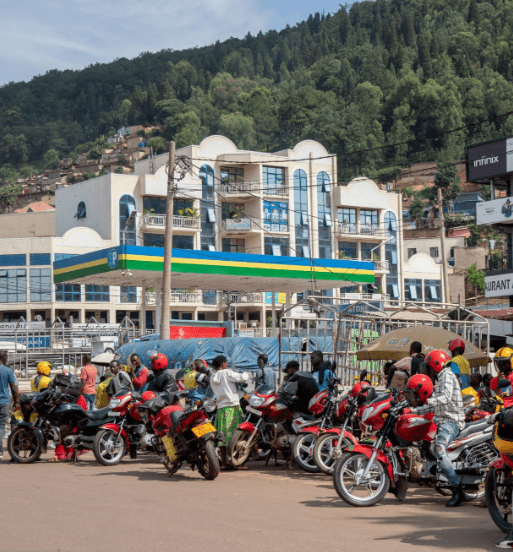
Rwanda, famously known as the “Land of a Thousand Hills,” is a country that stirs the soul. With its breathtaking landscapes, resilient spirit, and vibrant traditions, Rwanda offers a deeply enriching cultural experience for travelers. One of the most immersive ways to explore Rwanda’s identity is through Cultural Group Tours Rwanda, which are designed to foster real connections between visitors and local communities.

These tours go beyond sightseeing—they offer meaningful exchanges, hands-on activities, and opportunities to learn directly from Rwandan people. Whether you’re a school group, university cohort, NGO team, or cultural enthusiast, a cultural group tour in Rwanda will leave you with knowledge, insight, and inspiration.
In this article, we’ll explore what to expect from Cultural Group Tours Rwanda, where to go, what experiences to include, and how these tours contribute positively to both visitors and the communities involved.
Rwanda’s story is one of healing, innovation, and pride in its heritage. After facing devastating tragedy in the 1994 Genocide against the Tutsi, the country has rebuilt with an admirable emphasis on unity, dignity, and identity. Cultural Group Tours Rwanda offer a chance to see and feel this transformation firsthand.
Here are key reasons why Rwanda stands out as a destination for cultural exchange:
Safe and Welcoming: Rwanda is among the safest and cleanest countries in Africa.
Rich and Preserved Culture: From dance and art to rituals and storytelling, cultural practices remain strong and accessible.
Small but Diverse: The country’s compact size allows visitors to explore multiple regions and communities within a short time.
Community-Led Tourism: Rwanda promotes inclusive tourism where locals are directly involved and benefit from tourism.
Nestled near Volcanoes National Park, the Iby’Iwacu Cultural Village is one of the most popular and well-organized cultural centers in Rwanda. Managed by ex-poachers turned conservationists, it offers an authentic peek into traditional Rwandan life.
Highlights:
Try traditional dances like Intore (warrior dance)
Participate in banana beer brewing
Learn about traditional medicine from a community healer
Sleep in a traditional thatched hut
This stop is essential for Cultural Group Tours Rwanda, especially for groups visiting for conservation, wildlife, or gorilla trekking.
Rwanda’s women have played a central role in rebuilding the nation. Cultural tours often include visits to women’s cooperatives where visitors can join in activities such as:
Basket weaving (Agaseke)
Traditional cooking classes
Visiting local markets and participating in barter simulations
Sharing life stories and community discussions
These sessions create honest, heart-to-heart conversations that go beyond tourism, and are central to the values of Cultural Group Tours Rwanda.
Though deeply emotional, visiting Rwanda’s Genocide Memorials (e.g., Kigali Genocide Memorial, Nyamata, Murambi) is crucial for understanding the country’s journey. For cultural groups, these visits often include:
Guided tours by survivors or educators
Dialogue sessions on reconciliation and forgiveness
Workshops on conflict resolution and peacebuilding
These visits are not just historical—they’re designed for mutual learning and cultural healing, and many Cultural Group Tours Rwanda center around peace education.
Nothing compares to spending a night or two with a Rwandan host family. These homestays are safe, welcoming, and educational. Guests can:
Eat traditional meals like isombe and ugali
Learn basic Kinyarwanda phrases
Join in daily routines such as farming, fetching water, or preparing food
Attend local church or community events
Homestays give depth to Cultural Group Tours Rwanda, offering an unmatched window into everyday life.
Rwandans use performance art to preserve and pass on knowledge. Organize evening events where local performers engage your group with:
Intore dance shows and drumming
Storytelling around community fires
Interactive music sessions with traditional instruments like the inanga
These moments of joy and rhythm stay with visitors long after the tour ends.
Here’s a sample itinerary that combines the best elements of Cultural Group Tours Rwanda:
Day 1 – Arrival in Kigali, orientation, and city tour
Day 2 – Visit Kigali Genocide Memorial and participate in reconciliation dialogue
Day 3 – Drive to Musanze, stop at local market and handicraft centers
Day 4 – Full-day cultural exchange at Iby’Iwacu Village
Day 5 – Community work or volunteering in a school or women’s cooperative
Day 6 – Homestay experience in Gisenyi, lakefront dinner with local families
Day 7 – Debrief and departure from Kigali
This itinerary allows for a mix of structured learning, emotional engagement, cultural immersion, and reflective space.
Cultural Group Tours Rwanda are most impactful when done respectfully and sustainably. Tour operators, educators, and group leaders must prioritize:
Consent and Transparency: Ensure community members have agreed to participate and know what to expect.
Equitable Benefits: Choose tours where a portion of proceeds go directly to the host communities.
Active Participation: Encourage your group to engage with humility and curiosity—not as spectators, but learners.
Support Local Businesses: Buy local crafts, eat at community-run restaurants, and tip fairly.
Being a responsible visitor enhances the mutual value of these tours and contributes to Rwanda’s sustainable tourism goals.
Cultural Group Tours Rwanda are ideal for:
University and High School Study Abroad Programs: Especially those focusing on peace studies, development, African studies, or anthropology.
Faith-Based Organizations: Looking to understand healing, unity, and service in a post-conflict society.
Non-Governmental Organizations (NGOs): That want to orient new staff or volunteers on local culture and history.
Photography and Art Groups: Seeking rich visual inspiration and stories.
Corporate Teams: Focused on CSR or global cultural engagement.
Regardless of the type of group, the personal and emotional takeaways are often far more impactful than expected.
Rwanda has made great strides in promoting tourism that celebrates and protects its culture. Community-based tourism initiatives help reduce poverty, create jobs, and empower historically marginalized groups.
When done ethically, Cultural Group Tours Rwanda contribute to:
Preservation of Heritage: Young Rwandans learn to take pride in traditional arts and practices.
Education: Tourists and hosts both expand their understanding of the world.
Economic Impact: Local guides, artisans, and hosts gain stable income.
These tours are not just about what travelers take away—they’re about what they leave behind.
In a world that is becoming increasingly digital and disconnected, the power of real, face-to-face cultural exchange is more important than ever. Cultural Group Tours Rwanda offer something rare: authenticity, healing, and meaningful connection.
Rwanda’s warm hospitality, organized infrastructure, and community-first approach to tourism make it a model destination for group travel with purpose. Whether you’re learning to dance with village elders, cooking side-by-side with a host family, or hearing firsthand accounts of resilience, you’ll walk away changed—and so will those you meet.
So if you’re seeking a cultural journey that bridges hearts and builds understanding, start planning your group tour to Rwanda today. The hills are calling. Book Now!