
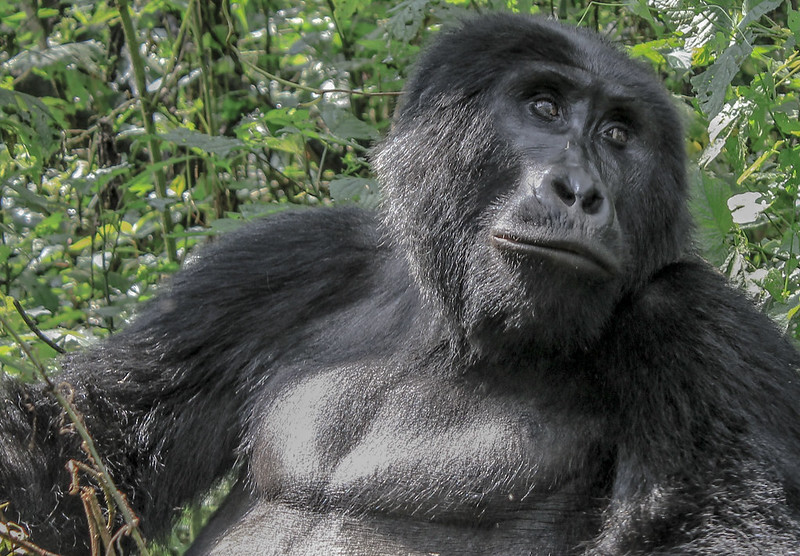
A Wild Encounter with Gorillas in Uganda. Welcome to Uganda, the Pearl of Africa, where the beautiful forests hide one of the most exciting and humbling animal encounters you can imagine: seeing mountain gorillas. These amazing creatures, our distant relatives, flourish in Uganda’s foggy highlands, providing a journey filled with amazement, excitement, and a bit of comedy. If you’ve ever wondered what it’s like to be face-to-face with a gorilla (without the zoo walls), read on!
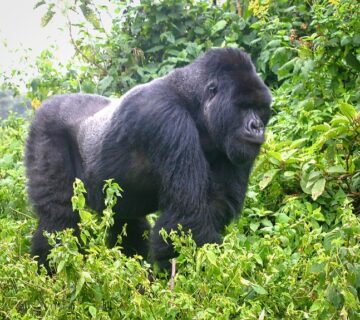
The majestic mountain gorillas in Uganda.
More than half of the surviving mountain gorillas in the world live in Uganda, mostly in Bwindi Impenetrable National Park and Mgahinga Gorilla National Park. These gentle giants are more than simply another animal species; they are a natural wonder, exhibiting power, elegance, and a striking likeness to people.
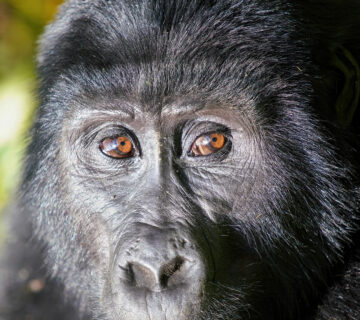
Did you know that gorillas share over 98% of their DNA with humans? That explains why they occasionally appear to be deep in contemplation, most likely wondering why humans snap so many selfies.
 Bwindi Impenetrable National Park.
Bwindi Impenetrable National Park is as mysterious as the name implies. The dark jungle, with thick foliage, towering trees, and a constant mist, provides the ideal setting for your gorilla encounter. Trekking through Bwindi is tough for the faint of heart, but the eventual result—standing only a few meters away from a gorilla family—makes every sweaty step worthwhile.
Consider this scenario: You’re walking through the dark forest, feeling like Indiana Jones, when you hear a rustle. You stop moving. Your heart races. A inquisitive young gorilla emerges, followed by a huge silverback. They look at you as if you were the weird one in their universe. Welcome to the jungle!
Mgahinga Gorilla National Park.
While Bwindi frequently gets all the attention, Mgahinga Gorilla National Park provides a quieter but equally fascinating experience. This park, located in the Virunga Mountains, is part of a larger transboundary conservation area that covers Rwanda and the Democratic Republic of the Congo. The Nyakagezi gorilla family roams the hills, offering a more personal and less crowded trekking experience.
Gorillas, like humans, have close familial relationships. Observing a gorilla family interact—grooming each other, playing, or simply lounging—is like looking into a mirror of our own family dynamics.
The Gorilla Trekking Experience
Gorilla trekking in Uganda combines physical effort, emotional highs, and unexpected chuckles. The expedition begins with a briefing by park rangers, who will prepare you for the experience ahead. With a walking stick and a feeling of amazement, you will accompany skilled guides into the forest. The trip can last anything from a few hours to a full day, depending on where the gorillas are.
Imagine traveling for hours, bathed in perspiration, when your guide abruptly silences you. Everyone goes quiet. And then, just as you’re ready to witness the gorillas, a naughty jungle monkey steals the show, prompting everyone to giggle.
Prepare for Your Gorilla Trekking Adventure
Before you embark on your gorilla expedition, here are a few things to bear in mind:
Fitness: Be ready for a physically tough walk. Regular exercise beforehand can make a significant effect.
Wear strong hiking boots, long sleeves, and long pants to protect yourself from the forest’s stinging vegetation.
Permits: Reserve your gorilla trekking permit in advance, since they are restricted and in great demand.
Respect: Follow the guidelines established by your guides. Remember, you are a visitor in the gorillas’ home.
Don’t forget to bring a sense of humor! If you slide in the mud or get a sudden shower from the tree canopy, just laugh it off. It is all part of the trip.
Why This Encounter Feels So Different From a Standard Safari
A game drive keeps you inside a vehicle, watching from a distance. Gorilla trekking puts you on foot, at ground level, close enough to watch a family group interact. That closeness is what makes the encounter feel personal rather than observational. All in Africa Safaris can build this exact experience into your Uganda itinerary.
What the Silverback’s Calm Actually Signals
A silverback rarely reacts to a well-behaved group of trekkers. His stillness isn’t indifference. It’s confidence in his own strength and control over the situation. Guides read this body language constantly, and it’s part of what keeps every trek safe.
Choosing Between Bwindi and Mgahinga for Your First Trek
Bwindi offers more habituated families and greater permit availability, so most first-timers start there. Mgahinga rewards travelers who want fewer crowds and don’t mind a smaller pool of gorilla families to choose from. All in Africa Safaris can help you weigh both parks against your travel dates.
Why the Trek’s Unpredictability Is Part of the Appeal
Gorilla families move daily in search of food. Some treks wrap up in two hours. Others stretch past six. This unpredictability is exactly what makes the eventual sighting feel earned rather than staged.
What Rangers Actually Do Before You Ever See a Gorilla
Trackers head out at dawn, often hours ahead of trekking groups, to locate the previous night’s nest site and follow fresh trails. Their early work is why your own hike, however long, still ends in a sighting almost every time.
Packing Smart Without Overpacking
A light daypack with water, snacks, and rain gear covers most of what you need. Heavier bags slow you down on steep, muddy sections. Hiring a porter solves this problem and supports the local community at the same time. All in Africa Safaris can arrange porter hire as part of your booking.
Why Fitness Preparation Genuinely Pays Off
You don’t need to be an athlete. But a few weeks of regular walking or light cardio before your trip makes a real difference on steep, uneven trails. Trekkers who prepare physically consistently report an easier, more enjoyable day.
What Makes the One-Hour Rule Worth Respecting
The hour limit isn’t arbitrary. It protects the gorillas from prolonged stress and reduces disease transmission risk. Most trekkers say the hour passes far too quickly, which is itself part of what makes it memorable.
Combining Your Trek With a Broader Uganda Safari
Many travelers pair gorilla trekking with a Queen Elizabeth National Park game drive or a Kibale chimpanzee trek. This builds a fuller Uganda itinerary around forest, savannah, and primate experiences. All in Africa Safaris can sequence this kind of combined trip around your gorilla permit dates.
Why Booking Early Genuinely Matters
Permits are limited and demand is high, especially during dry season months. Booking three to six months ahead gives you the best shot at your preferred date and sector.
Why Guides Ask You to Whisper Near the Gorillas
Loud voices and sudden movement can startle a gorilla family. Guides ask trekkers to stay quiet and move slowly for good reason. It keeps the encounter calm for both you and the animals.
What Happens If a Gorilla Approaches You
Curious young gorillas sometimes wander close to trekking groups. Your guide will tell you exactly what to do in the moment. The general rule is simple: stay still, stay calm, and let the animal move on its own.
Why Rain Rarely Ruins a Trek
Bwindi’s name comes from its thick, misty forest, and rain is part of that landscape. A waterproof jacket and good boots handle most conditions. Many trekkers say a light rain shower actually adds to the atmosphere.
How Much Physical Difficulty to Genuinely Expect
Trails can be steep, muddy, and uneven. Altitude adds another layer of effort. Still, guides pace the group to match its slowest member, so trekkers across a wide range of fitness levels complete the hike successfully every day.
Why the Comedy Moments Matter as Much as the Awe
A slip in the mud, a startled monkey, a sudden downpour, these small moments become part of the story you tell afterward. They’re not distractions from the experience. They’re genuinely part of it.
Why Photography Rules Exist and What They Mean for You
Flash photography is banned near the gorillas. Sudden bright light can startle them and disrupt natural behavior. Practicing your camera’s low-light settings before your trip pays off once you’re standing in the forest.
How Local Communities Benefit From Your Visit
Porters, guides, and lodge staff around Bwindi and Mgahinga depend directly on trekking tourism. Every permit and every tip genuinely supports these communities. Choosing to trek here isn’t just about seeing gorillas. It’s also a meaningful economic contribution to the region.
Why This Trip Stays With You Long After You Leave
Most trekkers describe the hour with gorillas as passing in what feels like minutes. That brevity is exactly why the memory lingers. Few travel experiences compress so much emotion into so short a window.
What to Do the Night Before Your Trek
Pack your daypack early, charge your camera batteries, and get to bed at a reasonable hour. Briefings start early, often before seven. A calm, organized morning sets the tone for the whole day.
Planning Your Own Wild Gorilla Encounter
From Bwindi’s misty trails to Mgahinga’s quieter slopes, a gorilla encounter in Uganda delivers something few other wildlife experiences can match. All in Africa Safaris can turn this overview into a fully confirmed itinerary, bringing you face to face with Uganda’s remarkable mountain gorillas.
Fill and submit the form below to book your safari now
Error: Contact form not found.

No comment