Birdwatching Safaris in Uganda, Rwanda, Kenya and Tanzania
East Africa is not only a land of dramatic safaris and iconic mammals. It is one of the richest birding regions on Earth. From misty montane forests to alkaline lakes shimmering pink with flamingos, the region offers extraordinary diversity for both passionate ornithologists and casual nature lovers.
Across Uganda, Rwanda, Kenya, and Tanzania, more than 1,300 bird species have been recorded. The variety of habitats — savannah, rainforest, wetlands, montane highlands, and Rift Valley lakes — creates perfect conditions for both resident and migratory species.
A birdwatching safari here is not rushed. It is immersive, patient, and deeply rewarding.
Uganda: The Pearl of African Birding
With over 1,060 recorded species, Uganda is one of Africa’s premier birding destinations. Its location within the Albertine Rift and the convergence of East African savannah and Central African rainforest ecosystems make it uniquely diverse.
One of the most sought-after sightings is the prehistoric-looking shoebill stork. Wetlands such as Mabamba Swamp near Entebbe provide prime opportunities to observe this rare and iconic bird.
In the dense montane forests of Bwindi Impenetrable National Park, birders search for Albertine Rift endemics like the African green broadbill. The forest canopy resonates with subtle calls, and patience is rewarded with flashes of iridescent plumage.
Savannah parks such as Queen Elizabeth National Park offer a contrasting experience. Here, open plains and crater lakes attract raptors, bee-eaters, kingfishers, and waterbirds in abundance.
Uganda’s strength lies in its variety. In a single itinerary, a birder can move from papyrus wetlands to tropical forests to expansive savannah, encountering dramatically different species along the way.
Rwanda: Forest Birding in the Land of a Thousand Hills
Though smaller in size, Rwanda offers exceptional forest birding experiences. The mountainous terrain and protected rainforests provide refuge for rare species, particularly those endemic to the Albertine Rift.
Nyungwe Forest National Park is the country’s birding crown jewel. With over 300 species recorded, it is home to the dazzling Rwenzori turaco and a variety of forest specialists.
Birdwatching in Nyungwe often involves early morning hikes along mist-covered trails. The forest feels alive with sound — whistles, trills, and distant calls echoing through the canopy. The elevated canopy walkway offers a unique perspective, allowing birders to scan treetops at eye level.
In eastern Rwanda, Akagera National Park presents a more savannah-focused birding experience. Wetlands, lakes, and open grasslands host waterbirds, herons, and migratory species.
Rwanda’s compact geography makes it possible to combine primate trekking with high-quality birding in a relatively short safari.
Kenya: Rift Valley Lakes and Open Savannah
Kenya’s birdlife thrives across diverse landscapes, from the Great Rift Valley lakes to arid northern reserves and world-famous savannahs.
Lake Nakuru National Park is renowned for its flamingos, which gather in impressive numbers along alkaline shores. The sight of thousands of pink birds reflecting on still water is unforgettable.
In Masai Mara National Reserve, birdwatching complements big game safaris. Lilac-breasted rollers perch along acacia branches, secretary birds stride across grasslands, and martial eagles circle overhead.
Northern regions such as Samburu National Reserve host arid-adapted species often referred to as the “Samburu specials.” These species are not commonly found elsewhere in Kenya, adding excitement for seasoned birders.
Kenya’s strength lies in accessibility. Many birding hotspots are easily combined with classic safari itineraries.
Tanzania: Vast Landscapes and Migratory Wonders
Tanzania’s immense landscapes provide equally immense birding opportunities. With over 1,100 species recorded, the country offers both resident and migratory populations.
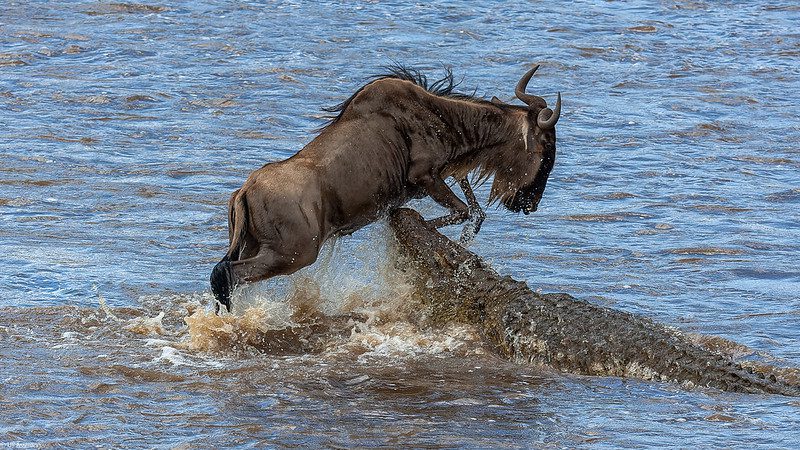
Serengeti National Park is known primarily for its great wildebeest migration, but it is also home to diverse birdlife, including ostriches, kori bustards, and numerous raptors.
The Ngorongoro highlands and crater, protected within Ngorongoro Conservation Area, combine high-altitude forests and soda lakes that attract flamingos and waterbirds.
Tarangire National Park, famous for its elephant herds and baobab trees, also provides excellent birdwatching, especially during the wet season when migratory species arrive.
Tanzania’s seasonal changes dramatically influence birding. The wet season transforms dry plains into lush breeding grounds, intensifying color and activity.
The Best Time for Birdwatching
While birding is possible year-round, the wet seasons often provide peak activity. Migratory species from Europe and Asia arrive between October and April, increasing diversity.
Breeding plumage during these months makes many species particularly vibrant. However, dry seasons offer easier road access and clearer trails in forested areas.
Choosing the best time depends on target species and travel preferences.
Why East Africa is a Birding Paradise
Birdwatching in East Africa is not simply about ticking names off a checklist. It is about immersion in ecosystems shaped by geology, climate, and migration patterns.
From the haunting presence of a shoebill in a papyrus swamp to the dazzling flash of a turaco in montane forest, every sighting feels earned and meaningful.
Moreover, birding safaris often operate at a slower pace than traditional game drives. They encourage attentiveness to subtle details — distant calls, movement in foliage, shifts in light. This slower rhythm fosters deeper engagement with the natural world.
Combining Birding with Classic Safari Experiences
One of the great advantages of birdwatching in Uganda, Rwanda, Kenya, and Tanzania is the ability to combine it seamlessly with other wildlife experiences. Gorilla trekking in Uganda or Rwanda can be paired with forest birding. Classic Big Five safaris in Kenya and Tanzania naturally include spectacular avian encounters.
This integration makes East Africa uniquely versatile for nature lovers.
A Journey Through Sound and Color
In the end, a birdwatching safari across Uganda, Rwanda, Kenya, and Tanzania is a journey defined by sound and color.
It is the echo of calls drifting across valleys at dawn. It is the shimmer of feathers catching first light. It is the quiet satisfaction of identifying a rare endemic after patient searching.
For those who look beyond the obvious and listen carefully to the subtle rhythms of the wild, East Africa offers one of the richest birding experiences on the planet.