The Best 6 Islands on Lake Victoria
Lake Victoria is not merely a lake. It is an inland sea stretching across Uganda, Kenya, and Tanzania, shaping cultures, livelihoods, and landscapes for millions of people. Along its vast waters lie islands that feel suspended between sky and water — places where fishing boats glide at dawn, palm trees sway lazily in the equatorial breeze, and sunsets melt into endless horizons. For travelers seeking something beyond the typical safari circuit, these islands offer rest, authenticity, culture, and adventure in equal measure.
Here are six of the finest islands on Lake Victoria, each distinct in character and experience.
1. Ssese Islands
The Ssese Islands are the undisputed stars of Uganda’s Lake Victoria waters. Comprising more than eighty islands scattered across the northwestern section of the lake, they combine tropical charm with cultural depth.
Bugala Island, the largest and most developed, serves as the main entry point. Ferries connect it to the mainland, yet once you arrive, time slows dramatically. Sandy roads wind through oil palm plantations and fishing villages. Children wave from the shoreline. Fishermen return at sunrise with their catch, while evenings bring glowing skies reflected on calm waters.
The islands are spiritually significant within the Buganda Kingdom’s traditional beliefs, adding a layer of mystique to their beauty. Forest trails reveal monkeys and vibrant birdlife, while the beaches invite long, meditative walks. Whether you seek a romantic escape, a backpacker’s retreat, or a quiet post-safari rest, the Ssese Islands offer a perfect balance of accessibility and seclusion.
2. Ngamba Island
Ngamba Island is small in size but immense in purpose. Located roughly 23 kilometers from Entebbe, this forested sanctuary is dedicated to the rehabilitation of orphaned and rescued chimpanzees.
Visitors arrive by boat, skimming across open water before stepping into a protected natural habitat. Elevated viewing platforms allow safe observation of chimpanzees during feeding sessions. Watching them interact — grooming, playing, vocalizing — offers rare insight into the intelligence and emotion of our closest relatives.
The island also provides eco-friendly accommodation for those wishing to stay overnight. As darkness settles, the calls of chimpanzees echo softly through the trees while waves brush against the shore. Ngamba is more than a destination; it is an encounter with conservation in action and a reminder of the delicate balance between humanity and wildlife.
3. Bulago Island
Bulago Island presents a more refined lakeside experience. Located near Entebbe, it is known for exclusivity, privacy, and carefully preserved natural beauty.
Unlike the rustic vibe of Ssese, Bulago leans toward boutique luxury. White sandy shores stretch quietly along calm waters, and well-designed lodges blend into the landscape without overwhelming it. It is the kind of place where mornings begin with gentle lake breezes and evenings conclude with uninterrupted sunset views.
The island’s tranquility makes it ideal for couples, small groups, or travelers seeking rest after a demanding safari itinerary. Kayaking, swimming, and private beach walks dominate the rhythm of the day. Its closeness to Entebbe ensures convenience while maintaining a sense of peaceful isolation.
4. Banda Island
Banda Island appeals to those who crave simplicity and authenticity. Smaller and less commercial than many others, it feels like a secret known mainly to adventurous travelers.
Rocky outcrops frame hidden sandy coves, and rustic bandas sit perched above the shoreline. There is no rush here. Days revolve around swimming in the clear shallows, reading beneath shaded verandas, or exploring quiet trails that weave through untouched vegetation.
At night, the sky becomes the island’s greatest spectacle. With minimal light pollution, stars scatter across the heavens while distant fishing boats glow like floating lanterns. Banda is not about luxury in the conventional sense; it is about raw, unfiltered immersion in nature and stillness.
5. Rusinga Island
Rusinga Island, situated in Kenyan waters, carries both scenic and historical significance. Rolling hills slope gently into sheltered bays, and fishing remains central to daily life. Yet Rusinga’s story extends beyond its tranquil landscapes.
It was once home to renowned anthropologist Louis Leakey, whose archaeological work in East Africa helped reshape understanding of early human origins. This historical dimension gives the island a unique intellectual and cultural depth.
Birdwatchers are especially drawn to Rusinga due to its diverse avian population. The peaceful atmosphere and broad lake views create a setting that feels contemplative and reflective — a place where history and nature intertwine.
6. Ukerewe Island
Ukerewe Island, located in Tanzania’s section of Lake Victoria, is the largest island on the lake. Unlike resort-style destinations, Ukerewe feels lived-in and authentic. Villages, markets, farms, and schools shape its character.
Cycling is one of the best ways to explore. Gentle hills reveal wide lake vistas, and interactions with local residents offer insight into everyday life on the water. The island’s economy revolves around fishing and agriculture, and visitors are welcomed with genuine warmth.
Ukerewe’s charm lies not in polished tourism but in its honesty. It provides cultural immersion rather than curated experiences, making it ideal for travelers who value meaningful connections over luxury amenities.
Why Explore Lake Victoria’s Islands?
While East Africa is globally famous for its savannah safaris and mountain gorillas, Lake Victoria’s islands provide a different rhythm of travel. They allow visitors to slow down after wildlife adventures, to reflect beside calm waters, and to experience communities shaped by centuries of lake-based living.
The islands vary widely in atmosphere. Some are conservation-focused, others culturally rich, and some simply offer serene escape. Together, they form a mosaic of experiences that reveal Lake Victoria as a world within a world.
Traveling to these islands also supports local economies built around fishing, hospitality, and conservation. Responsible tourism ensures that these communities continue to thrive while protecting the lake’s delicate ecosystem.
The Timeless Appeal of the Lake
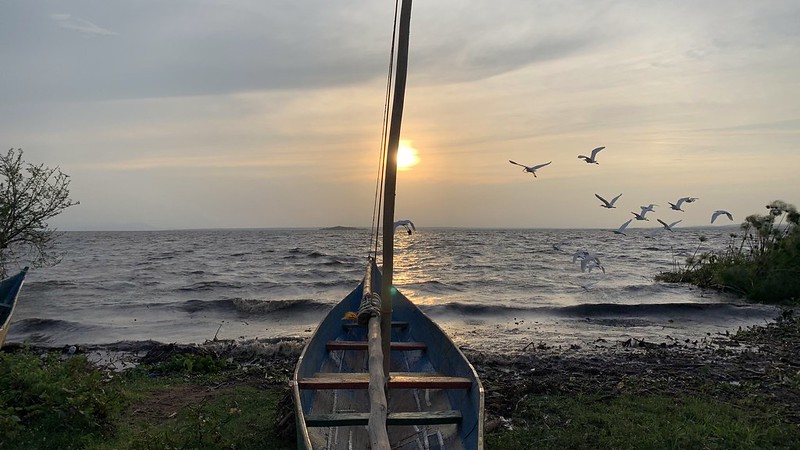
What unites all six islands is the presence of the lake itself. Lake Victoria shifts moods throughout the day. At dawn, mist rises gently from the surface as fishermen cast their nets. By afternoon, sunlight dances on rippling water. At sunset, the sky ignites in hues of orange and violet, reflecting endlessly across the horizon.
On these islands, life moves in harmony with that rhythm. The lake dictates fishing schedules, transportation routes, and even cultural traditions. Visitors who spend time here begin to sense that deeper pulse — a slower, more elemental connection to nature.
Whether you choose the tropical charm of the Ssese Islands, the conservation mission of Ngamba, the exclusivity of Bulago, the rustic serenity of Banda, the heritage of Rusinga, or the cultural immersion of Ukerewe, each island tells a different chapter of Lake Victoria’s story.
Together, they prove that Africa’s largest lake is not just a geographical landmark but a living landscape of beauty, resilience, and quiet wonder — waiting patiently to be explored beyond the safari trail.