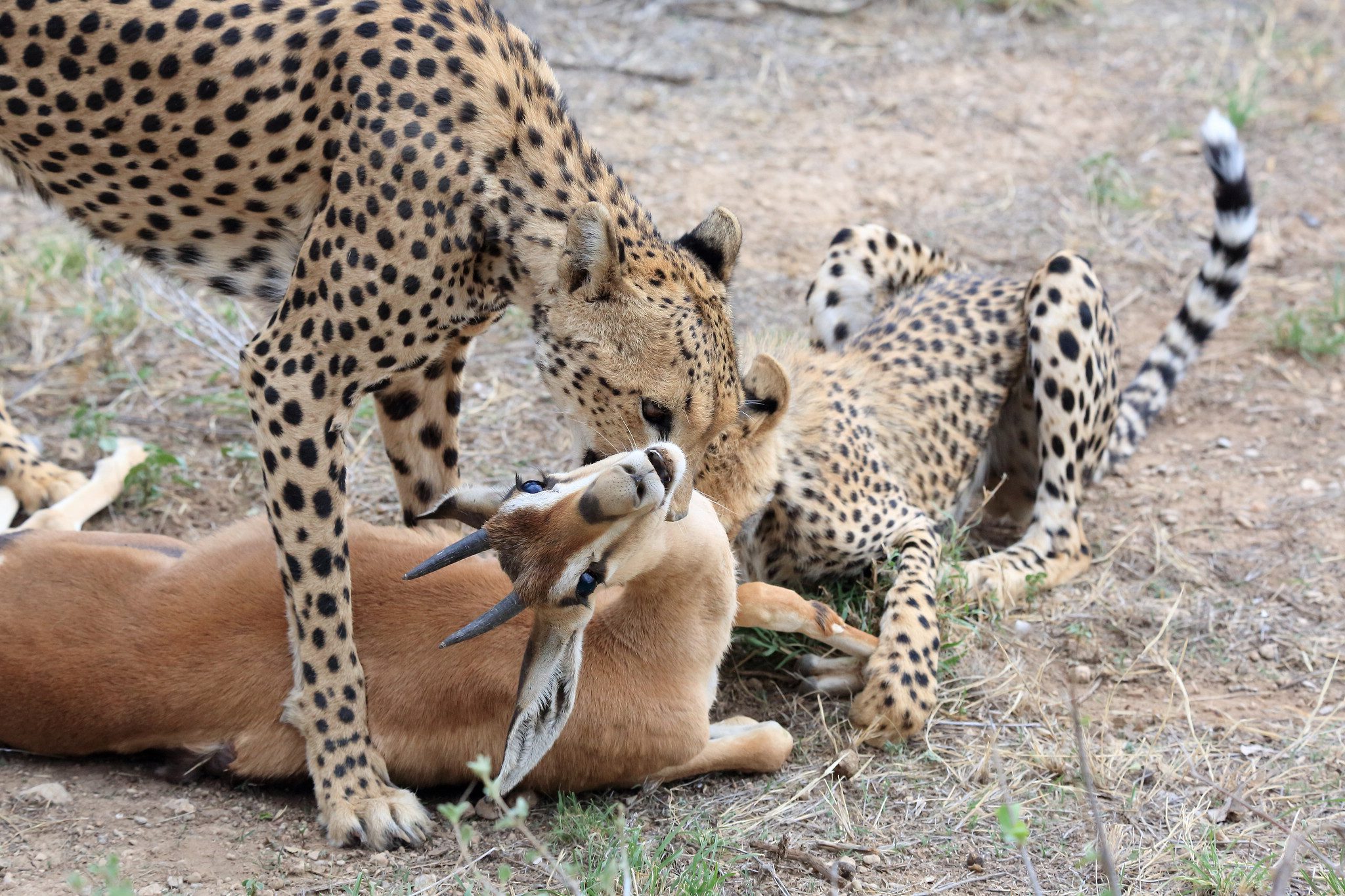
The best time to visit Kenya for a safari depends on your personal interests and what you plan to see during your vacation. Kenya has a rich animals and terrain all year, but various seasons provide distinct benefits. Here is a breakdown to assist you in planning your dream safari.
Peak Safari Season (July to October)
This period is considered the best time for a safari in Kenya. The weather is dry, and wildlife congregates around water sources, making it easier to spot animals. The annual wildebeest migration in the Maasai Mara usually occurs during this time, creating incredible wildlife spectacles.
Shoulder Seasons (January to March and June)
These months offer a good compromise between favorable weather and fewer crowds. The wildlife viewing is still excellent, and you might find lower prices on accommodations and tours.
Green Season (November to December and April to May)
These months are Kenya’s wet seasons, with occasional heavy rainfall. While some areas become challenging to access due to muddy roads, it’s an excellent time for birdwatching, and the landscapes are lush and green. Prices for safaris tend to be lower during this period.
Calving Season (January to February)
If you’re particularly interested in seeing wildebeest calves being born during the migration, January to February is the time to go. This is a unique and heartwarming experience.
Special Events
Keep in mind special events like bird migrations or the annual rutting season for certain antelope species when planning your safari. These events can lead to exceptional wildlife viewing opportunities.
Avoid Peak Tourist Seasons
If you prefer fewer crowds and more intimate wildlife encounters, consider avoiding the peak tourist seasons of July to October and December. Opt for the shoulder or green seasons instead.
Consider Your Interests
Consider your interests beyond wildlife. If you’re into birdwatching, the green season might be preferable. If you want to witness specific animal behaviors, research the best time for that behavior, such as predator interactions or birthing seasons.
Weather Tolerance
Keep in mind that weather conditions can vary greatly during different seasons. If you’re not comfortable with heat or occasional rain, you might want to plan your safari accordingly.
Budget
Prices for accommodations and safaris can fluctuate throughout the year. If you’re budget-conscious, research the best time for deals and discounts.
In conclusion, there is no one-size-fits-all solution to the optimum time to visit Kenya for a safari. It is determined by your choices and interests. Whether you visit during peak season, shoulder season, or green season, Kenya has magnificent animals and sceneries all year round, assuring a fantastic safari journey.
Combining a Kenya Safari With Tanzania
Kenya’s Maasai Mara sits directly across the border from Tanzania’s Serengeti, and the two ecosystems share the same migrating herds, meaning travelers can time a combined Kenya-Tanzania itinerary around whichever side of the border the migration currently occupies. All in Africa Safaris can advise on current herd positioning when planning a cross-border safari that maximizes migration viewing across both countries.
What to Pack for Each Season
Dry-season travel calls for dust protection, a scarf or buff for open-vehicle game drives, and layers for cool early mornings that warm quickly once the sun rises. Green-season travel adds a proper rain jacket and closed, waterproof footwear to the packing list, along with insect repellent given the increased mosquito activity that typically follows Kenya’s rains.
Health and Visa Considerations
Malaria risk exists across most of Kenya’s safari circuit year-round, worth discussing with a travel health provider regardless of which season you choose to visit. Most nationalities can obtain a Kenya visa online in advance or through the East Africa Tourist Visa, which also covers Uganda and Rwanda, worth considering if your itinerary spans more than one of these countries.
Choosing Parks Based on Season
The Maasai Mara’s migration-driven crowds concentrate heavily during July to October, while parks like Amboseli, Tsavo, and Samburu maintain strong resident wildlife populations year-round, making them worth prioritizing for travelers visiting during the quieter green season. Matching your chosen parks to your travel season, rather than defaulting to the Mara regardless of timing, often produces a more satisfying overall safari experience.
Photography Considerations by Season
Dry-season dust produces dramatic, golden-hued light at dawn and dusk, a favorite among wildlife photographers, while the green season’s clearer, rain-washed air and dramatic cloud formations offer a different, equally compelling look for landscape-oriented shots. Calving season adds predictable predator action to the mix, valuable for photographers specifically chasing action shots over the migration’s larger-scale spectacle.
Booking Timelines Around Peak Season
Camps along the Maasai Mara’s most popular migration-viewing routes can book out six months to a year ahead for the July-to-October peak, while green-season travel offers considerably more last-minute flexibility and typically lower rates. All in Africa Safaris can help you weigh this trade-off and secure the right camps for whichever season best fits your travel priorities and budget.
Understanding Kenya’s Broader Climate Patterns
Kenya’s seasons vary meaningfully by region and altitude, the coastal areas around Mombasa follow a somewhat different rainfall pattern than the Mara or northern reserves like Samburu, worth researching separately if your itinerary includes a beach extension alongside the safari portion of your trip. Highland areas, including parts of Aberdare and Mount Kenya, also run noticeably cooler than the savanna parks regardless of season, worth factoring into your packing regardless of when you travel.
Timing a First-Time Versus Repeat Kenya Safari
First-time visitors often prioritize the peak dry season specifically to maximize wildlife-viewing reliability during a single, likely once-in-a-lifetime trip, while repeat visitors increasingly explore the green season’s lower rates, thinner crowds, and different landscape character once they’ve already experienced Kenya’s classic dry-season safari. Neither approach is objectively better, the right choice depends entirely on what you’re prioritizing for this specific trip.
A Final Word on Choosing Your Season
Ultimately, Kenya rewards travelers in every season, the real decision is less about avoiding a “bad” time to visit and more about matching your specific priorities, migration spectacle, budget, crowd levels, birdwatching, to the season that best serves them. All in Africa Safaris can help translate those priorities into a specific set of travel dates and a matching itinerary.
Seasonal Differences in Accommodation Rates
Peak-season accommodation rates in the Maasai Mara can run considerably higher than the same camps’ green-season pricing, sometimes by a significant margin, making the shoulder and green seasons genuinely attractive options for budget-conscious travelers willing to trade some weather certainty for meaningfully lower costs. This rate difference is worth factoring into your season decision alongside the wildlife-viewing trade-offs already discussed.
How Weather Affects Road Access
Kenya’s green-season rains can turn some of the Mara’s murram roads genuinely difficult to navigate, occasionally requiring a 4×4 with real ground clearance rather than a standard vehicle, worth discussing with your operator if your travel dates fall during the wetter months. Parks with better-maintained road networks, including Nairobi National Park and parts of Amboseli, tend to remain more reliably accessible regardless of season.
Timing a Multi-Park Kenya Itinerary
Travelers combining several of Kenya’s parks into a single trip should note that different regions can experience slightly different rainfall timing, meaning a green-season visit to the Mara might still coincide with drier conditions further north in Samburu, worth researching region by region rather than assuming uniform weather across the whole country. This regional variation is one more reason a knowledgeable local operator adds real value beyond simply booking accommodation.
The Emotional Pull of the Migration
Beyond the practical planning considerations covered throughout this guide, witnessing the Great Migration’s scale, hundreds of thousands of animals moving in a single coordinated mass, remains one of the most consistently described “bucket list” wildlife experiences among travelers worldwide, a reminder that timing this specific spectacle correctly is worth the extra planning effort it demands. All in Africa Safaris can help ensure your travel dates align with this once-in-a-lifetime event.
Putting It All Together
Between peak-season migration drama, shoulder-season value, green-season birding and lower rates, and the specific calving-season predator action, Kenya’s calendar offers a genuinely distinct experience in nearly every month, meaning the “best” time ultimately comes down to which of these experiences resonates most with you personally. Working through this decision with an operator who knows the current conditions on the ground remains the most reliable way to land on the right dates for your specific trip.
Start Planning Your Kenya Safari Dates
Whichever season and experience draws you most, the earlier you begin planning around it, the better your odds of securing the right camps at the right price for your specific priorities. All in Africa Safaris can help turn your preferred timing into a fully booked, well-sequenced Kenya safari itinerary.
One Last Consideration: Flexibility Pays Off
Travelers with genuine flexibility on exact travel dates, willing to shift a week or two earlier or later within a season, often find meaningfully better rates and availability than those locked into fixed dates, since even a few days can matter for camps operating near capacity. Building in that flexibility wherever your schedule allows is one of the simplest ways to get more value out of whichever season you ultimately choose.