
1 Day Birding Safari in Mabamba Swamp
Overview
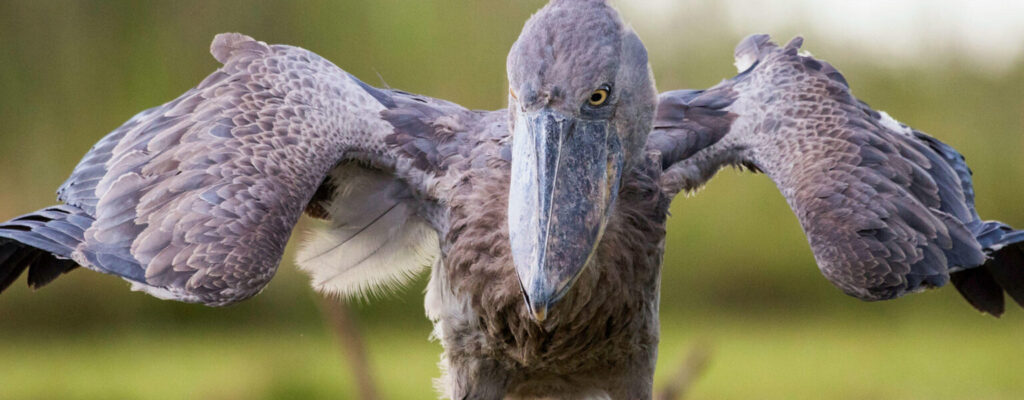
The 1 Day Birding Safari in Mabamba Bay Swamp offers one of the best birdwatching experiences in Uganda. Located on the northern shores of Lake Victoria, Mabamba Bay Wetland is internationally recognized as an Important Bird Area and is famous for being one of the most reliable places in Africa to spot the rare and prehistoric-looking Shoebill Stork.
This day trip takes you through papyrus channels by traditional canoe while searching for a variety of wetland bird species. The safari is ideal for birdwatchers, photographers, nature enthusiasts, and travelers looking for a short excursion from Entebbe or Kampala.
Safari Highlights
- Birding
- Nature walks
Detailed Itinerary
Day 1: Transfer to Mabamba Bay Swamp, Canoe Birding Safari and Return
Your guide will pick you up early in the morning from your hotel in Entebbe or Kampala and transfer you to Mabamba Bay Wetland on the shores of Lake Victoria.
Upon arrival, you will meet your local birding guide and board a traditional motorized canoe. The birding excursion takes you through narrow papyrus channels and open wetland areas where many bird species can be observed.
The main target species is the famous Shoebill Stork, one of Africa’s most sought-after birds. Early morning offers the best opportunity to find the Shoebill hunting lungfish in the swamp. Your guide will also help identify the many other species that inhabit the wetland.
Other birds commonly recorded in Mabamba include African Jacana, Purple Heron, Goliath Heron, Squacco Heron, Malachite Kingfisher, Pied Kingfisher, Blue-breasted Bee-eater, African Fish Eagle, Long-toed Lapwing, Papyrus Gonolek, Swamp Flycatcher, Yellow-billed Duck, African Openbill, Great Cormorant, and numerous egrets and weavers.
After the canoe excursion, enjoy lunch before beginning the return journey to Entebbe or Kampala.
Accommodation: No Overnight Accommodation
Meal Plan: Lunch
Birds Commonly Seen in Mabamba Bay
- Shoebill Stork
- African Jacana
- Purple Heron
- Goliath Heron
- Squacco Heron
- Grey Heron
- Papyrus Gonolek
- Malachite Kingfisher
- Pied Kingfisher
- African Fish Eagle
- Long-toed Lapwing
- Blue-breasted Bee-eater
- African Openbill
- Yellow-billed Duck
- Swamp Flycatcher
- Great Cormorant
- Black Crake
- Little Egret
- Intermediate Egret
- Great Egret
Optional Activities
- Entebbe Botanical Gardens Birding
- Uganda Wildlife Education Centre Visit
- Sunset Boat Cruise on Lake Victoria
- Fishing Experience on Lake Victoria
- Entebbe City Tour
- Photography Excursion
- Ngamba Island Chimpanzee Sanctuary Visit
- Reptile Village Visit
Tour Includes
- Travel in a 4×4 car
- Professional guide
- Park fees
- Accommodation
- Meals
- All Activities In Itinerary
Tour Excludes
- Alcoholic drinks
- Laundry
- Tips
- Shopping
- Insurance
- Anything not included per itinerary
Home of the Shoebill Stork
Mabamba Swamp, on the shores of Lake Victoria roughly an hour from Kampala, is one of the most reliable places in Africa to see the shoebill stork, a genuinely prehistoric-looking bird with a massive, clog-shaped bill, standing over a meter tall and famous among birders worldwide for both its rarity and its almost statue-like stillness while hunting.
Beyond the shoebill, Mabamba’s papyrus swamp and open water support a wide range of water birds, including African jacana, malachite kingfisher and various heron species, making this a rewarding single-day birding trip even beyond its headline attraction.
How the Day Works
Birding at Mabamba is done from a traditional wooden canoe, paddled quietly through the papyrus channels by an experienced local guide who knows the swamp’s shoebill territories and can navigate to where the birds have recently been spotted, since shoebills tend to favor specific feeding areas within the wider swamp.
Because shoebills are most active and easiest to spot in the cooler early morning hours, this itinerary typically involves an early departure from Kampala or Entebbe, with the return trip completed well before midday.
Practical Notes
A Uganda e-visa or East Africa Tourist Visa, arranged before travel, is required for most nationalities, along with a yellow fever vaccination certificate if arriving from a country with risk of transmission. Travel insurance covering trekking or wildlife activities and medical evacuation is strongly recommended, and malaria prevention is worth discussing with a travel health clinic ahead of your trip.
US dollars printed after 2009 are widely accepted for park fees, permits and lodge bills across this itinerary, while Ugandan shillings are more practical for tips, markets and smaller day-to-day purchases along the route. Mobile network coverage is generally reliable at lodges and along main routes but becomes patchy inside parks and forest reserves.
Tipping is customary though not compulsory across this itinerary. Guides typically receive a tip at the end of any guided activity, generally scaled to group size, while your driver-guide is usually tipped separately at the end of the full trip.
Combining Mabamba With a Wider Trip
Because Mabamba sits close to Entebbe International Airport, this day trip works particularly well as an arrival or departure-day activity, filling what would otherwise be unstructured time around your international flight with a genuinely rewarding wildlife experience rather than a full day lost to logistics.
This itinerary can also be combined with a broader Kampala or Entebbe-based day, adding a city tour, the Uganda Wildlife Education Centre, or a Lake Victoria boat trip to round out a fuller day beyond the swamp visit itself.
US dollars printed after 2009 cover guide fees and any canoe hire costs, while Ugandan shillings are more practical for smaller purchases; a yellow fever certificate is required for entry if arriving from a country with risk of transmission.
What to Bring
A pair of binoculars is essential for this trip, since much of the swamp birding happens at a genuine distance across open water and papyrus, and a good zoom lens is worthwhile for photographers hoping to capture the shoebill up close. Neutral-toned clothing helps avoid startling birds during the canoe approach, and sun protection matters given the largely unshaded conditions out on the water.
Because the canoe sits low and close to the water, a dry bag or waterproof case for cameras and phones is worth bringing, along with closed shoes suitable for the muddy launch point at the start and end of the trip.
Shoebill Storks at Mabamba Swamp
Mabamba Bay Wetland, a papyrus swamp on the shores of Lake Victoria roughly an hour from Kampala, is one of the most reliable places in the world to see the shoebill stork in the wild. This prehistoric-looking bird, standing over a metre tall with an enormous shoe-shaped bill, is famously elusive and stands motionless for long stretches while hunting lungfish and small reptiles in the shallows. Birding here is done from a quiet, motorised canoe poled gently through narrow channels in the papyrus, which also turns up sightings of African jacana, malachite kingfisher, and numerous other wetland species, making the outing worthwhile even beyond the headline shoebill sighting.
Wildlife Photography Tips
Early morning and late afternoon light, when the sun sits low and animals are most active, consistently produces the strongest wildlife photographs, which is part of why most game drives are scheduled around dawn and dusk rather than the middle of the day. A telephoto lens in the 100-400mm range covers most safari situations, though a wide-angle lens is worth having for landscape shots and for scenes where wildlife is close enough to include the surrounding habitat. Resting a camera on a beanbag across the vehicle’s window frame, rather than relying purely on handheld shots, noticeably improves sharpness, especially in the low light typical of early morning game drives.
Conservation Fees and Community Impact
Park entry fees, gorilla and chimpanzee permits, and conservancy fees paid by visitors form a direct funding stream for anti-poaching patrols, habitat protection and, in many areas, a formal revenue-sharing arrangement with communities living along park boundaries. This model has been credited with turning former poachers into park employees and guides in several of the region’s protected areas, and with funding schools, clinics and water projects in communities that once had little direct incentive to protect neighbouring wildlife. Choosing a safari that keeps permit and park fees intact, rather than one built around discounted or informal access, is one of the more concrete ways a traveller supports this system.
Flights and Arrival Logistics
Most international itineraries route through one of the region’s main hub airports — Entebbe for Uganda, Kigali for Rwanda, Nairobi or Mombasa for Kenya, and Kilimanjaro, Dar es Salaam or Zanzibar for Tanzania — with connecting flights or road transfers arranged from there to the specific parks on your itinerary. Visa requirements vary by nationality and by country, though several East African nations now offer e-visas processed online in advance, and Kenya, Rwanda and Uganda participate in an East Africa Tourist Visa that allows single-entry travel across all three countries on one visa, which is useful for itineraries that cross borders. Arrival airports typically operate best in daylight hours, so overnight arrivals are usually followed by a night near the airport before heading out to the parks the next morning.
Responsible and Sustainable Travel
Simple choices — maintaining a respectful distance from wildlife, following your guide’s instructions around habituated primates, avoiding single-use plastics where possible, and buying crafts and produce directly from local cooperatives rather than mass-produced souvenirs — add up across the volume of visitors this region receives each year. Many lodges now run their own conservation or community initiatives, from anti-poaching support to local employment quotas and school sponsorships, and asking about these programmes during your stay is both a way to learn more and a small signal to operators that travellers value this work. Respecting photography etiquette around local communities, including asking permission before photographing people, remains one of the more overlooked aspects of responsible travel in the region.
Packing Tips for Combined Safari and Trekking Itineraries
Itineraries that combine game drives with forest or mountain activity call for slightly different kit than a pure savannah safari — sturdy, broken-in hiking boots rather than sandals, a rain jacket regardless of season since forest weather is less predictable than open plains, and a daypack for carrying water and a camera on any walking portion of the trip. Soft-sided duffel bags rather than rigid suitcases are strongly preferred for any leg of the journey involving light aircraft, since cargo space on small charter planes is limited and hard-sided luggage often will not fit. A universal power adapter and a portable charger are also worth including, since some safari lodges rely on generator power available only at set hours.
Choosing When to Travel
East Africa’s weather generally divides into two dry seasons — roughly December to February and June to October — and two wetter periods around March to May and November, though rainfall patterns vary by country and region and have become somewhat less predictable in recent years. Dry-season travel tends to concentrate wildlife around permanent water sources, making game viewing more predictable, while the wetter months bring lush scenery, fewer other travellers, and better rates at many lodges, along with the arrival of migratory bird species. Neither period is a bad time to travel; the right choice depends more on whether the priority is guaranteed dry trails and concentrated wildlife or a quieter, greener experience.
Health and Travel Preparation
Most countries in this region require proof of yellow fever vaccination for entry, particularly if arriving from or having transited another yellow-fever-endemic country, and it is worth checking current requirements with your airline or embassy well ahead of departure. Malaria is present across most safari areas at varying risk levels, so consulting a travel health clinic about prophylaxis, alongside practical measures like insect repellent and covering up at dawn and dusk when mosquitoes are most active, is standard advice for the region. Comprehensive travel insurance that explicitly covers emergency medical evacuation is strongly recommended for any itinerary involving remote parks, since the nearest advanced medical facility can be several hours away by road or air.
Get Your Tailored 1 Day Birding Safari in Mabamba Bay Swamp
Uganda Safari Photos
Our Green Spot Campaign
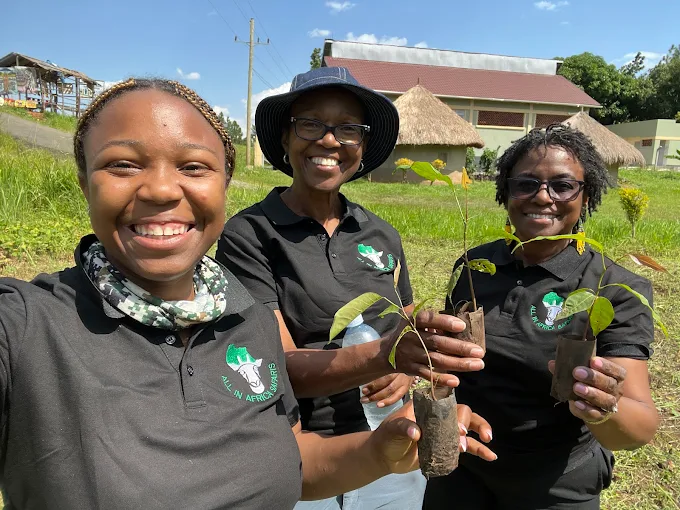
Every safari with us supports our Green Spot Campaign — planting trees across Uganda’s communities. Learn more & get involved →
All in Africa Safaris arranges tours to Uganda, Rwanda, Kenya and Tanzania
3 Days Murchison Falls Safari
Discover the Wildlife in the Murchison Falls National Park with engagement with a boat cruise and game drives which lead to a nature walk on top of the falls
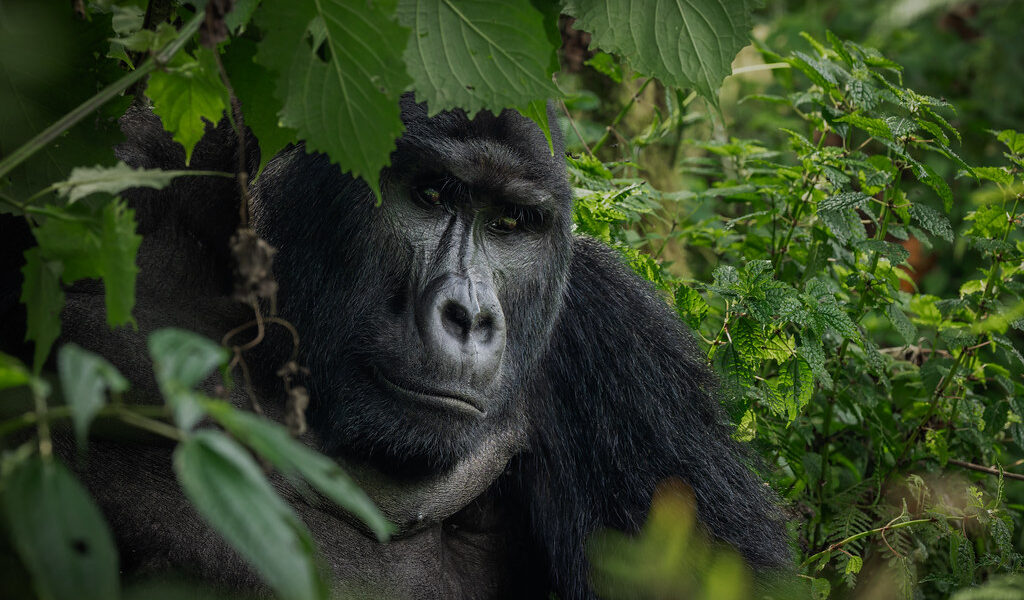
4 Days Gorillas & Queen Wildlife
Visit the magical national parks of Uganda known as Bwindi Forest and Queen Elizabeth National Park including gorilla trekking and wildlife views for travelers
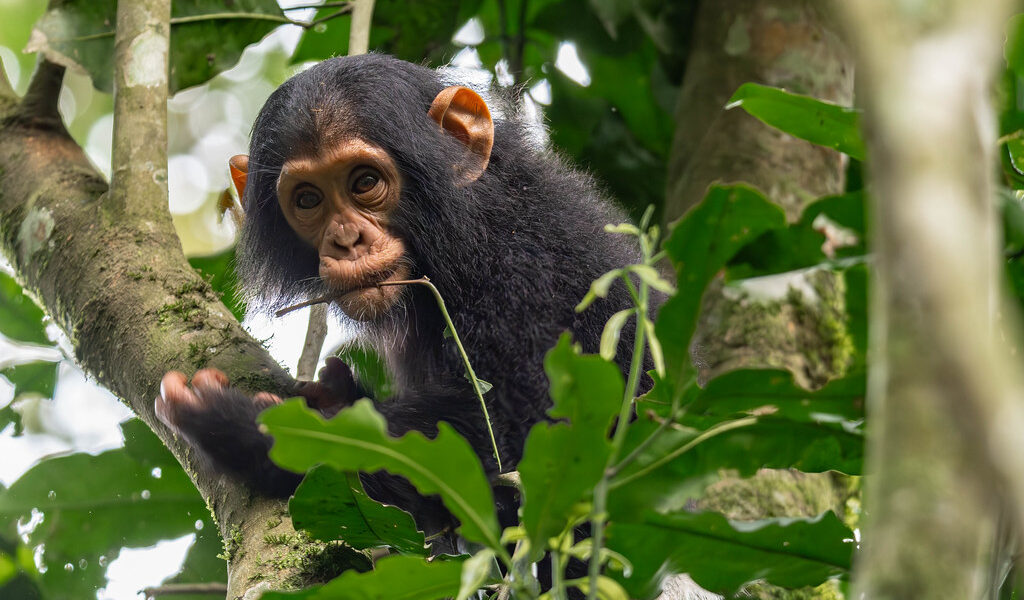
5 Days Gorillas & Chimps Track
Explore the great Mgahinga National Park conserving and protecting the endangered Mountain gorillas & chimpanzees in the pearl of Africa
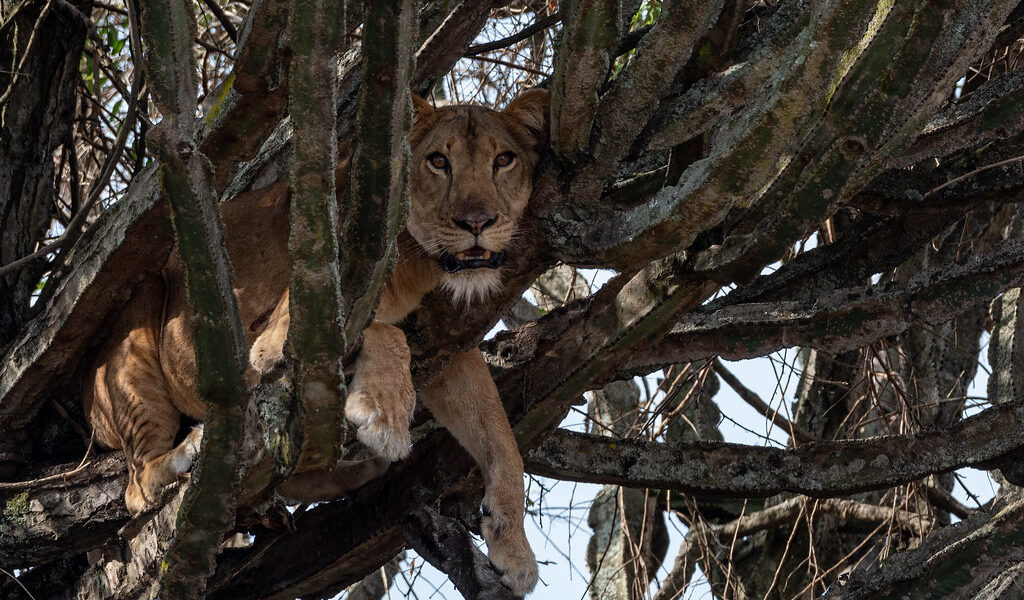
6 Days Uganda Safari
Visit the magical national parks of Uganda known as Bwindi Forest and Queen Elizabeth National Park which include the gorilla trekking and wildlife views
1 Day Bwindi Gorilla Tour from Kigali
A fast-paced day trip from Kigali into Bwindi Impenetrable Forest for a single unforgettable hour with a mountain gorilla family
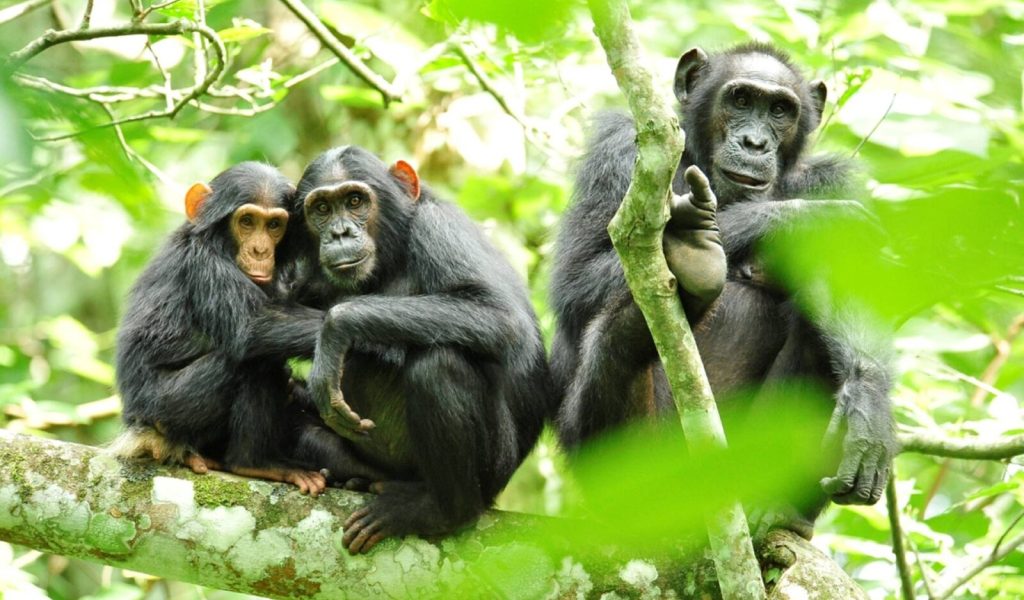
3 Days Chimpanzee Tracking in Kibale
Track chimpanzees through Africa’s primate capital, Kibale Forest, alongside a community walk through Bigodi Wetland Sanctuary
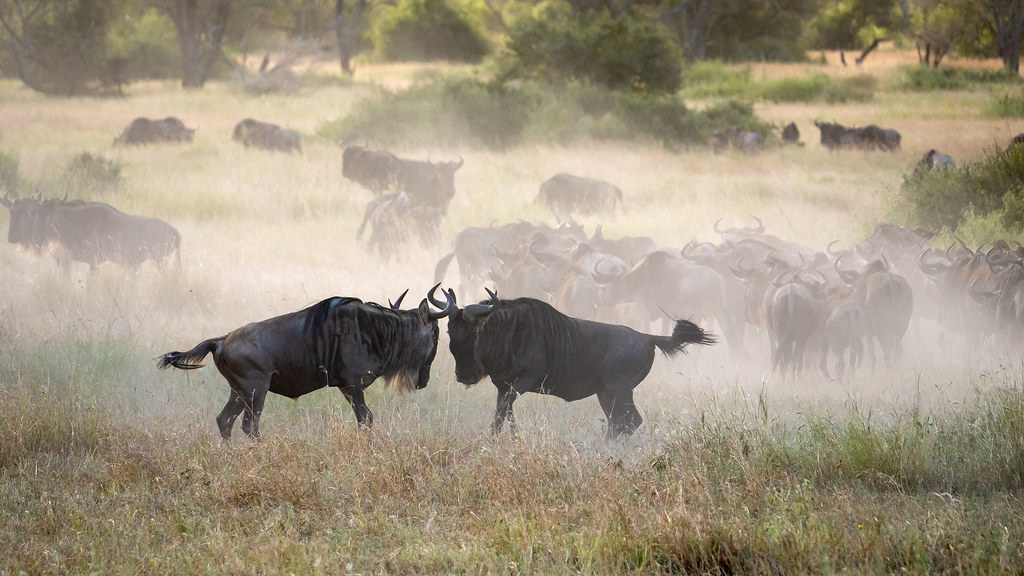
4 Days Kidepo Valley Wildlife Safari
Venture into Uganda’s most remote wilderness for cheetahs, ostriches and dramatic mountain scenery few visitors ever see
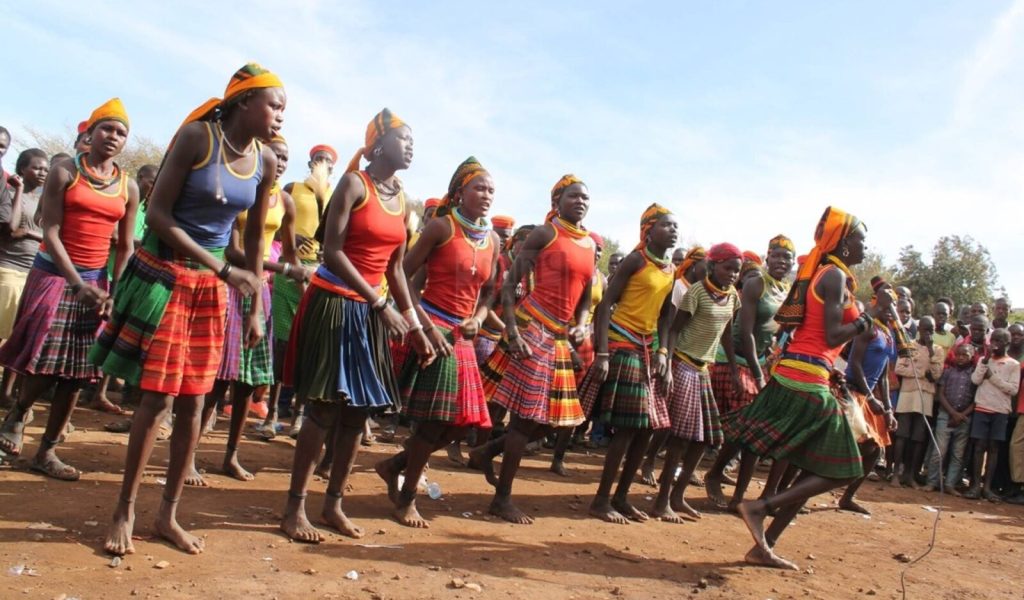
7 Day Kidepo and Sipi Safari
Combine Kidepo Valley’s wild plains with waterfall hikes and coffee tours in the Sipi Falls region
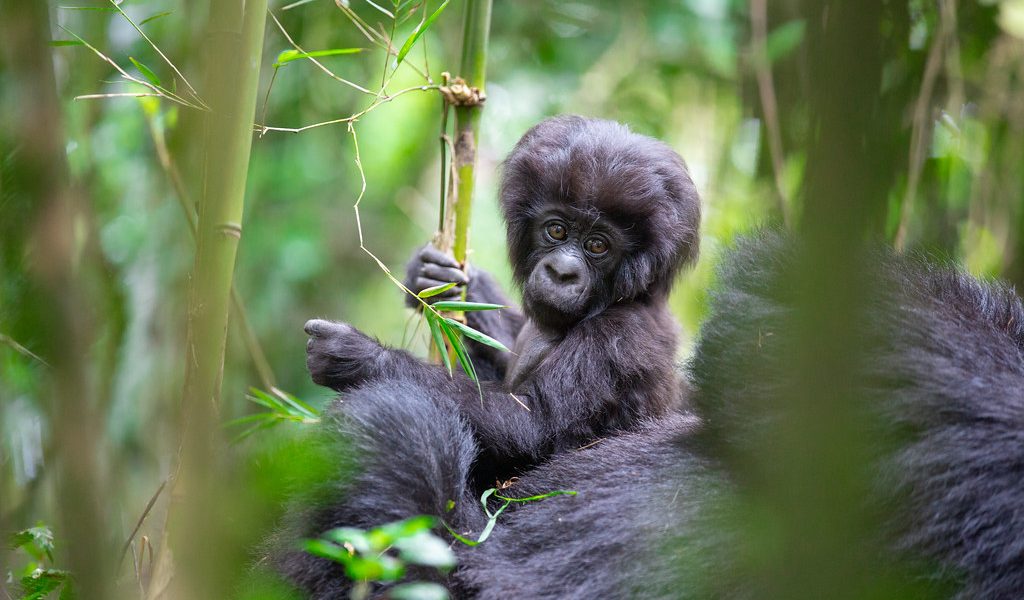
10 Days Rwanda Uganda Safari
A complete circuit through Volcanoes, Bwindi, Queen Elizabeth and Kibale for gorillas, chimps and classic wildlife
12 Days Uganda Leisure Holidays
An unhurried two-week journey through Murchison Falls, Kibale, Queen Elizabeth, Bwindi and Lake Mburo
14 Days Uganda Northern Circuit
Explore Kidepo Valley, Murchison Falls and Sipi Falls on this off-the-beaten-path northern adventure
15 Days Uganda Safari
Uganda’s full highlight reel across two relaxed weeks of gorillas, chimps, wildlife and scenic countryside