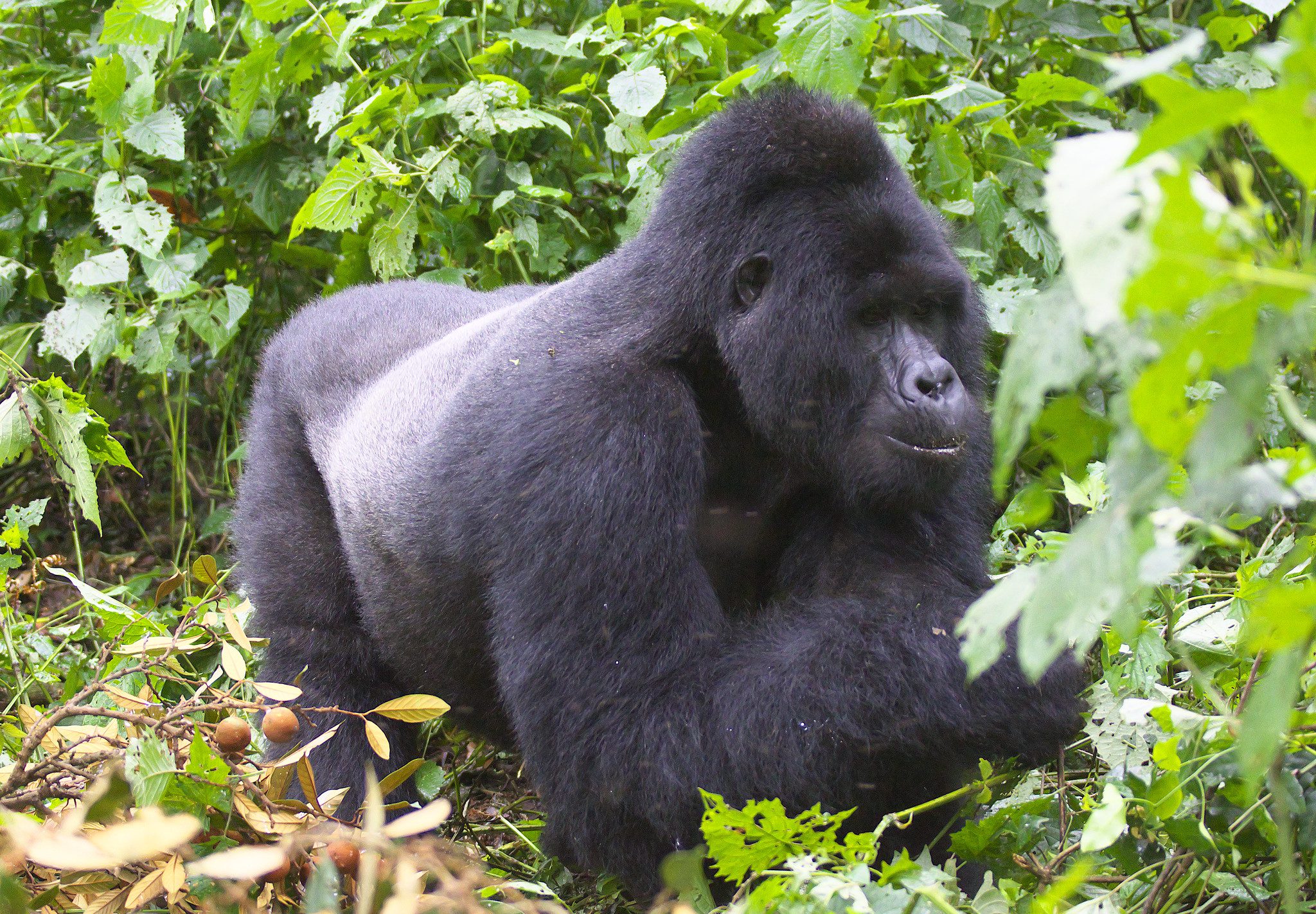
Few activities beat the excitement of gorilla trekking in Uganda when it comes to amazing animal encounters. This East African country’s lush woods are home to some of the world’s last surviving mountain gorillas, making it a must-see for eco-conscious travelers looking for a meaningful and awe-inspiring journey.
Why Choose Uganda for Gorilla Trekking?
1. A Unique Conservation Success Story
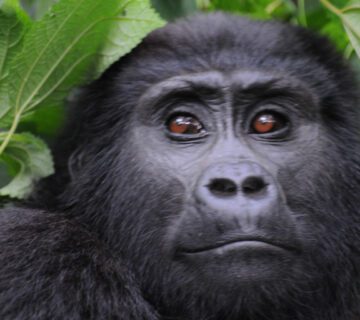
Uganda’s commitment to conservation has paid off, and it’s one of the few places where mountain gorilla populations are on the rise. With approximately half of the world’s mountain gorilla population residing here, Uganda offers a genuine opportunity to witness these incredible creatures thriving in their natural habitat.
2. Pristine, Lush Habitats
Gorilla trekking in Uganda takes you through dense rainforests, mist-covered mountains, and pristine wilderness. The Bwindi Impenetrable Forest and Mgahinga Gorilla National Park provide a captivating backdrop for this once-in-a-lifetime adventure.
3. More Accessible and Affordable
Compared to other gorilla trekking destinations like Rwanda, Uganda offers a more accessible and cost-effective experience. Permits are relatively more affordable, making it an attractive option for budget-conscious travelers.
Preparing for Gorilla Trekking
1. Obtain Gorilla Trekking Permits
Gorilla trekking permits are essential, and it’s crucial to book them well in advance. These permits grant you access to a specific gorilla family and help limit the number of visitors to ensure the gorillas’ well-being.
2. Physical Fitness and Gear
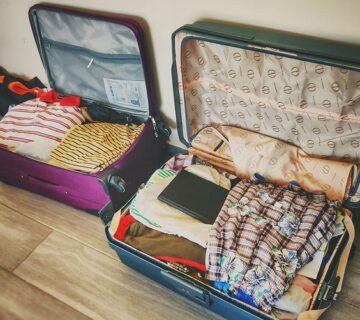
Gorilla trekking can be physically demanding, so it’s essential to be in reasonably good shape. Sturdy hiking boots, comfortable clothing, a rain jacket, and a backpack with essentials like water, snacks, and a camera are necessary.
3. Choose the Right Tour Operator
Selecting a reputable tour operator is key to a successful trek. Look for All in Africa Safaris as they have experienced guides, a strong commitment to conservation, and positive reviews from past travelers.
The Gorilla Trekking Experience
1. Early Morning Start
The day of your trek begins early in the morning with a briefing from park rangers. Afterward, you’ll embark on your trek, which can last anywhere from 1 to 8 hours, depending on the gorilla family’s location.
2. The Encounter
The moment you’ve been waiting for: when you come face-to-face with a gorilla family in the wild. You’ll have an hour to observe and photograph these incredible creatures as they go about their daily lives.
3. Ethical and Responsible Tourism
Uganda places a strong emphasis on ethical and responsible gorilla trekking. Rangers and guides enforce strict guidelines to ensure the well-being of the gorillas and their habitat. It’s essential to follow these guidelines and maintain a safe distance from the gorillas.
Gorilla trekking in Uganda is a fascinating and life-changing experience that allows you to connect with one of our natural world’s closest relatives. It’s a voyage that blends adventure, conservation, and a profound love for Uganda’s natural beauty. Gorilla trekking in Uganda is a once-in-a-lifetime chance for individuals looking for a meaningful and awe-inspiring trip.
Bwindi Versus Mgahinga: Choosing Your Trekking Base
Bwindi Impenetrable Forest hosts the vast majority of Uganda’s habituated gorilla families across four distinct trekking sectors, offering the widest range of permit availability, while Mgahinga Gorilla National Park offers a smaller, quieter experience with just one habituated family. All in Africa Safaris can help you choose the base that best matches your travel dates and preference for a busier or quieter trekking experience.
What Determines Your Trek’s Length
The one-to-eight-hour range in trekking duration depends entirely on where your assigned gorilla family happens to be located on the day of your trek, since gorilla families move throughout their territory rather than staying in a fixed spot. Rangers track general movement patterns each morning, which helps estimate likely trek length before you set out, though the exact duration always remains somewhat unpredictable.
Combining Gorilla Trekking With Other Uganda Highlights
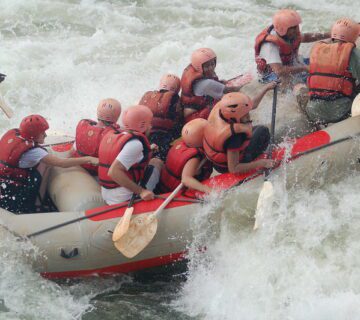
Most travelers build their Bwindi or Mgahinga gorilla trek into a wider Uganda itinerary that also includes classic savannah game drives in Queen Elizabeth or Murchison Falls National Park, chimpanzee trekking in Kibale Forest, or a Nile adventure in Jinja. All in Africa Safaris can design a complete itinerary that places gorilla trekking alongside Uganda’s other signature experiences.
What Makes a Gorilla Family “Habituated”
Habituation is a careful, years-long process during which rangers and researchers gradually accustom a gorilla family to calm human presence, allowing tourism to occur without unduly disturbing the animals’ natural behavior. This process is precisely why only a limited number of gorilla families are available for trekking at any given time, and why new families are added to the trekking roster only gradually.
The Role of Gorilla Trekking Revenue in Conservation
A significant portion of every gorilla permit fee goes directly toward park management, ranger salaries, and community development programs in areas bordering the park, making tourism the primary financial engine behind Uganda’s gorilla conservation success. Choosing to trek is, in a very direct sense, choosing to fund the continued protection of this endangered species.
Best Time of Year for Gorilla Trekking in Uganda
While gorilla trekking happens year-round, the dry seasons from June to September and December to February offer firmer, less muddy trail conditions, making the physical demands of trekking somewhat more manageable. That said, trekking during the wetter months brings the reward of fewer crowds and lush, vividly green forest scenery.
What to Expect Emotionally From the Encounter
Many first-time trekkers describe the actual encounter with a gorilla family as more emotionally powerful than they anticipated, a profound sense of connection that comes from sharing space, however briefly, with a species so genetically close to humans. This emotional impact is part of why gorilla trekking consistently ranks among travelers’ most memorable life experiences, well beyond a typical wildlife sighting.
A Journey Worth Every Step
From the early morning briefing through the physically demanding climb and finally to that first glimpse of a silverback moving through the undergrowth, every part of a Uganda gorilla trek builds toward a single unforgettable hour that few other wildlife experiences on Earth can rival.
Permit Pricing and What It Includes
A Uganda gorilla trekking permit covers park entrance for trekking day, the services of an experienced ranger guide, and the actual hour spent with your assigned gorilla family, though it does not typically include porter fees, transport, or accommodation. Understanding exactly what a permit does and doesn’t cover helps travelers budget realistically for the full trip rather than just the headline permit price.
How Far in Advance to Book Your Permit
Given the strict daily limit on permits per gorilla family across Uganda’s habituated groups, booking six months to a year ahead is genuinely advisable for travel during the popular June to September and December to February seasons. All in Africa Safaris can check current availability and secure your permit as early as your travel planning allows.
Trekking Difficulty and What to Expect Underfoot
Bwindi’s terrain lives up to its “Impenetrable” name in places, with steep, sometimes muddy slopes through dense vegetation that can genuinely test a trekker’s fitness and balance. A moderate level of physical preparation before your trip, built around regular walking or hiking, makes a meaningful difference to how comfortably you handle the trek’s more demanding sections.
What Your Ranger Guide Actually Does
Beyond simply leading the way, your ranger guide tracks the gorilla family’s likely location using overnight nest data and morning scout reports, manages group pacing and safety throughout the trek, and enforces the wildlife viewing guidelines once you reach the gorillas. This expertise is a major part of why a guided trek succeeds where an unsupervised search through dense forest simply couldn’t.
Gorilla Habituation Experiences as an Alternative
For travelers wanting more than the standard one-hour encounter, Uganda also offers gorilla habituation experiences that extend your time with a semi-habituated family to up to four hours, at a higher permit cost. All in Africa Safaris can advise on whether this extended experience fits well with your interests and budget.
Packing Essentials for Trek Day
Waterproof hiking boots, gardening gloves for gripping vegetation, a lightweight rain jacket, and a daypack with water and snacks form the core of a sensible gorilla trekking packing list, alongside your permit and a valid form of identification. Bringing a change of dry clothes for the return journey is also worth considering, particularly during wetter months.
Why Repeat Visitors Keep Coming Back
Because gorilla families differ in size, temperament, and location, no two treks unfold quite the same way, which is part of why a meaningful number of travelers return to Uganda specifically to trek a different family or sector than their first visit. This variability keeps the experience feeling genuinely fresh even for trekkers who have encountered mountain gorillas before, and returning visitors often report that a second or third trek reveals details of gorilla behavior they missed the first time around.
Booking Your Uganda Gorilla Trekking Adventure
From securing your permit to arranging transport, accommodation, and guiding across Bwindi or Mgahinga, every logistical detail of a Uganda gorilla trek can be organized well before you depart. All in Africa Safaris can turn this overview into a fully confirmed itinerary built around your travel dates and interests, ready whenever you decide the time has come to meet Uganda’s mountain gorillas in person.