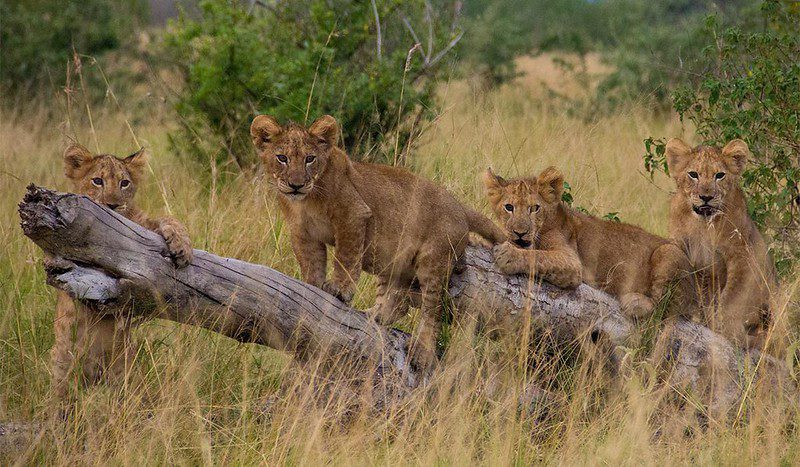
Wild Safari in Kidepo Valley National Park
In the far northeastern corner of Uganda, where the land stretches wide beneath endless skies and rugged mountains rise along the horizon, lies one of Africa’s last true wildernesses — Kidepo Valley National Park. Remote, raw, and remarkably untouched, Kidepo is not just another safari destination. It is an expedition into isolation, where wildlife roams vast plains and human presence feels secondary to nature.
Reaching Kidepo requires intention. The long drive from Kampala crosses changing landscapes — from bustling towns to open cattle country and eventually into semi-arid savannah framed by distant mountain ranges. This remoteness is precisely what preserves Kidepo’s magic. It remains less crowded than many East African parks, offering a safari experience that feels personal and profoundly wild.
A Landscape Defined by Drama
Kidepo’s scenery is bold and expansive. The Narus Valley, a sweeping stretch of savannah, forms the heart of most wildlife activity. Seasonal rivers carve through golden grasslands, attracting animals during the dry months when water becomes scarce elsewhere.
To the north lies the Kidepo Valley itself — wilder and more remote, especially during the rainy season when sections may become inaccessible. The park is framed by dramatic mountain ranges that spill across the borders into South Sudan and Kenya, creating a striking backdrop rarely seen in other Ugandan parks.
The sense of scale here is immense. You can drive for hours without seeing another vehicle, watching dust trails dissolve into the horizon.
Exceptional Wildlife Encounters
Kidepo is celebrated for its diversity of species, some of which are rare or absent in other parts of Uganda. Lions are frequently spotted lounging on rocky outcrops or stalking across the plains. Large buffalo herds gather near water sources, while elephants move gracefully through the valley.
The park is one of the best places in Uganda to encounter cheetahs, whose preference for open plains makes the Narus Valley ideal habitat. Leopards, though elusive, patrol riverine thickets. Hyenas, jackals, and bat-eared foxes emerge at dusk, adding life to the twilight hours.
Birdlife is equally impressive. With over 450 recorded species, Kidepo attracts bird enthusiasts seeking raptors, ostriches, and endemic species adapted to semi-arid environments.
The wildlife here behaves with a certain untamed confidence. With fewer vehicles and lower visitor numbers, animals move naturally, undisturbed by heavy tourism traffic.
Game Drives in True Isolation
Game drives in Kidepo feel different from those in busier parks like Queen Elizabeth National Park or Murchison Falls National Park. The silence is deeper. The wilderness feels less curated and more authentic.
Morning drives often begin with cool air and golden light illuminating the savannah. As the sun rises, predators may still be active, while antelope species such as Jackson’s hartebeest and Uganda kob graze in scattered herds.
Afternoon drives reveal a slower rhythm as animals seek shade, but patience can reward visitors with dramatic scenes — perhaps a lion pride gathering near a waterhole or a cheetah scanning the plains for prey.
Sunsets in Kidepo are unforgettable. The sky shifts into brilliant hues of orange and crimson, silhouetting acacia trees and distant mountains.
Cultural Encounters with the Karamojong
A safari in Kidepo is not only about wildlife. The surrounding region is home to the Karamojong people, a pastoralist community known for their distinctive traditions and cattle-centered lifestyle.
Visits to nearby villages offer insight into cultural practices shaped by resilience and adaptation to a challenging environment. Traditional manyattas, beadwork, and ceremonial dances reveal a heritage deeply intertwined with the land.
Engaging respectfully with local communities enriches the safari experience, adding depth beyond game viewing.
Walking Safaris and Wilderness Exploration
Unlike many parks where walking safaris are limited, Kidepo offers opportunities to explore on foot with armed rangers. Walking across open plains heightens awareness of smaller details — tracks in the sand, distant alarm calls, shifting wind direction.
The experience fosters a deeper connection to the ecosystem. Every sound matters. Every movement becomes meaningful.
Best Time to Visit
The dry seasons, typically from December to March and June to September, are ideal for wildlife viewing. Water sources become focal points, increasing animal concentrations in the Narus Valley.
However, even during wetter months, Kidepo retains its allure. The landscape transforms into lush green expanses, and birdlife flourishes. Access to certain areas may require patience, but the rewards remain significant.
Accommodation in the Wild
Accommodation options range from comfortable lodges overlooking the valley to more intimate tented camps that emphasize immersion in nature. Many lodges are strategically positioned to offer panoramic views, allowing guests to observe wildlife directly from their verandas.
Nights in Kidepo are defined by sound. Lions roar in the distance. Hyenas laugh under starlit skies. The absence of city lights reveals a breathtaking canopy of stars.
Why Kidepo Stands Apart
What distinguishes Kidepo is not only its wildlife but its spirit of isolation. It feels less like a commercial safari circuit and more like a frontier. The journey there, the vast open plains, the sparse visitor numbers — all contribute to a sense of authenticity.
In an era when many destinations feel increasingly accessible and crowded, Kidepo remains defiantly wild.
Embracing the Untamed
A wild safari in Kidepo Valley National Park is an invitation to slow down and surrender to nature’s rhythm. There are no guarantees of dramatic encounters, no scripted performances. Instead, there is raw wilderness, expansive silence, and moments that unfold organically.
When you stand alone on the plains as dusk settles and the mountains darken against the sky, you understand why Kidepo is often described as Uganda’s most untouched treasure.
It is not simply a place to see wildlife. It is a place to feel the wild.