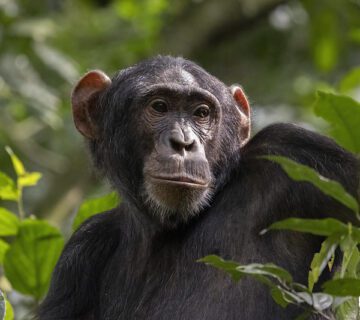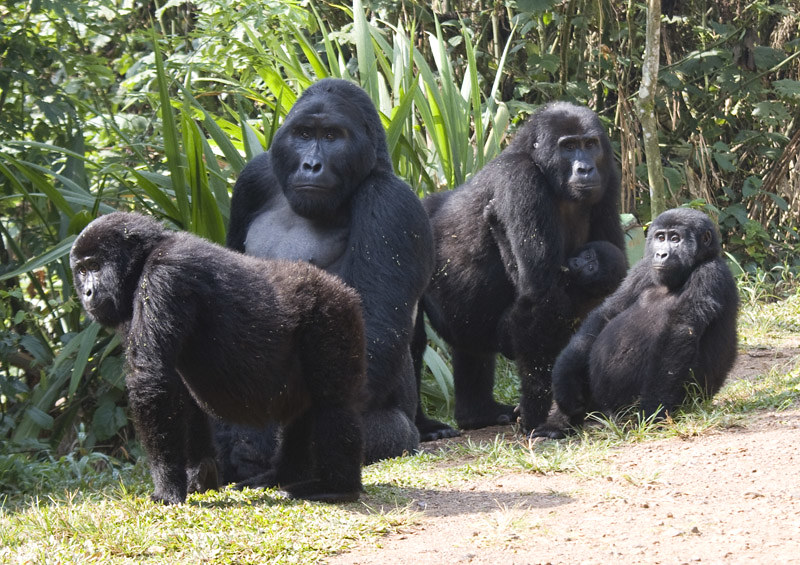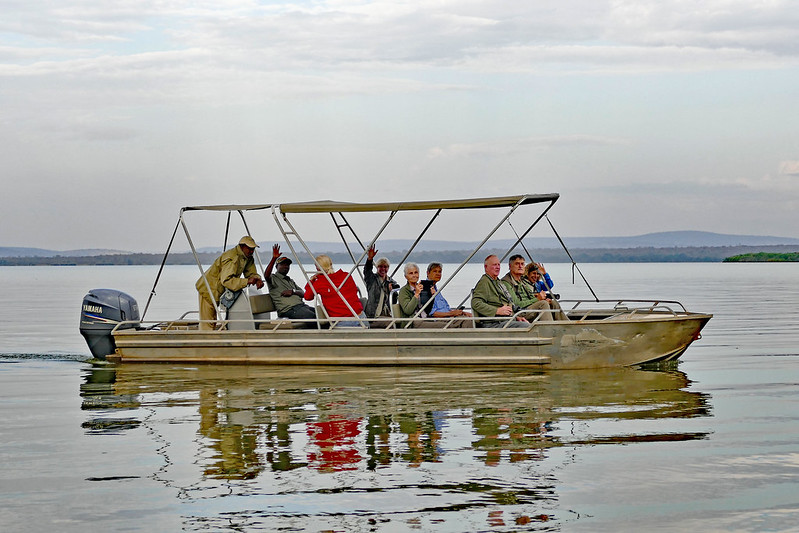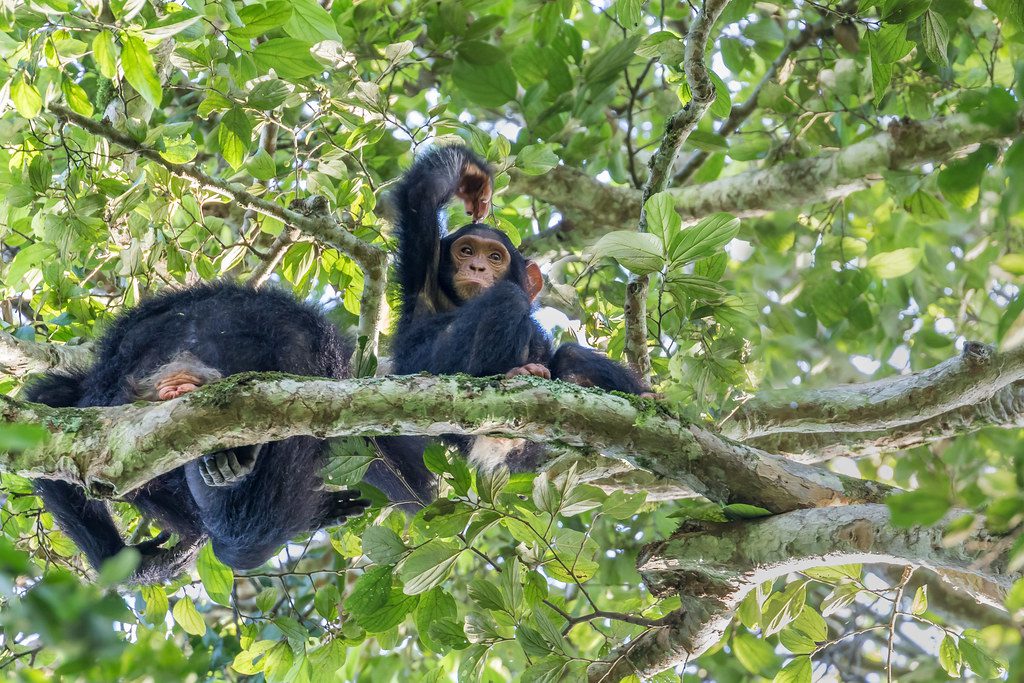
When it comes to primate attractions throughout the world, Uganda’s Kibale Forest National Park stands out as the ideal chimp trekking experience. This lush and biodiverse park provides an exceptional opportunity to witness these clever creatures in their native habitat, making it the top primate location for chimp trekking in the world.
Why Kibale Forest National Park Stands Out
Abundance of Chimpanzees
Kibale Forest is home to one of the largest populations of chimpanzees in East Africa. With over 1,500 individuals, your chances of encountering these fascinating primates are exceptionally high.
Chimpanzee Habituation Experience (CHE)
Kibale Forest offers a unique Chimpanzee Habituation Experience (CHE), allowing visitors to spend extended hours with researchers and guides as they habituate wild chimpanzee groups. This immersive experience provides unparalleled insight into chimpanzee behavior and social dynamics.
Varied Primate Species
Kibale is not just about chimpanzees; it boasts an impressive diversity of primate species. You can also encounter red colobus monkeys, L’Hoest’s monkeys, blue monkeys, and grey-cheeked mangabeys, among others, during your trek.
Expert Guides
The experienced guides in Kibale Forest are well-versed in primate behavior and the park’s ecology. Their knowledge enhances your experience and increases your chances of memorable primate sightings.
Lush and Scenic Environment
The forest’s lush greenery, dense vegetation, and enchanting landscapes create a picturesque setting for your trek. It’s not only about the primates; the overall natural beauty of Kibale is awe-inspiring.
The Chimpanzee Trekking Experience:
Early Morning Adventure
Chimpanzee trekking in Kibale usually begins in the early morning. As you venture into the forest, you’ll be greeted by the sounds of birds and other wildlife, setting the stage for an exciting primate encounter.
Close Encounters
When you locate a chimpanzee group, you’ll have the privilege of observing them up close as they go about their daily activities. Witness their grooming rituals, playfulness, and interactions within the troop.
Responsible Tourism
Kibale Forest National Park places a strong emphasis on responsible and ethical chimpanzee trekking. Strict guidelines are in place to ensure the well-being of the chimpanzees and their habitat.
The Bottom Line: Kibale Forest National Park in Uganda is unrivaled for an outstanding primate trip. It is the best global site for chimp trekking due to its number of chimps, different primate species, unique habituation experiences, and professional guides. A visit to Kibale guarantees not just intimate experiences with these amazing creatures, but also a deep understanding of nature’s marvels and the need for primate conservation.
Book your Chimpanzee Safari now
Booking Chimpanzee Trekking Permits
Kibale’s standard trekking permits and the more immersive Habituation Experience permits are both issued in limited daily numbers, meaning early booking through a local operator is worth doing, particularly for travel during the dry-season peak months. All in Africa Safaris can secure permits alongside the rest of your western Uganda itinerary well ahead of your travel dates.
Best Time to Trek in Kibale
The dry seasons, June to September and December to February, offer the firmest trails and the highest visitor numbers, while the wetter months bring muddier conditions alongside a lusher, greener forest and noticeably fewer other trekkers. Because Kibale’s chimps remain present and trackable year-round, the choice of season comes down mainly to a traveler’s tolerance for mud versus a preference for drier, easier walking.
Physical Fitness for Chimpanzee Trekking
Standard Kibale treks are moderately demanding, typically covering a few kilometers over one to three hours depending on how quickly a chimp group is located, with uneven forest terrain that rewards a reasonable baseline fitness level. The longer Chimpanzee Habituation Experience asks more of participants given its extended duration, worth weighing honestly against your own fitness and available time before choosing between the two options.
What to Pack for Kibale
Sturdy, closed-toe hiking boots, long trousers and sleeves in breathable fabric, and a daypack with rain cover round out a sensible packing list regardless of season, given Kibale’s uneven forest floor and unpredictable microclimate. A good camera with a reasonably fast lens is worth bringing given the dappled forest light, along with insect repellent and a reusable water bottle for the trek itself.
Accommodation Options Near Kibale
Lodges and camps around Kibale’s main entrance range from budget guesthouses to upmarket boutique properties, most positioned to allow an early start on trek mornings. Many of the same properties can arrange transport and guided access to nearby Bigodi Wetland Sanctuary, a popular lower-intensity add-on to a Kibale chimp trekking stay.
Combining Kibale With a Wider Uganda Itinerary
Kibale’s position in western Uganda makes it a natural stop alongside Queen Elizabeth National Park and Bwindi Impenetrable Forest further south, allowing chimpanzee trekking, classic savanna game drives, and gorilla trekking to be combined within a single well-sequenced itinerary. All in Africa Safaris can help plan the routing and timing across all three destinations to minimize road time while maximizing wildlife variety.
What a Typical Trekking Morning Looks Like
Chimpanzee treks in Kibale begin with an early-morning briefing at the park headquarters, where rangers explain trekking rules and assign groups to specific ranger teams before heading into the forest to locate a chimp community’s overnight nesting area. From there, trackers follow calls, feeding signs, and fresh trails until a group is located, a process that can take anywhere from thirty minutes to several hours depending on the chimps’ movement that particular morning.
The Habituation Experience as an Alternative
Travelers seeking more time with the chimps than the standard one-hour visit allows can opt for the Chimpanzee Habituation Experience, which places small groups alongside researchers working directly with a community still becoming accustomed to human presence. Sessions run considerably longer, following the chimps from their morning nests through the start of the day’s activity, offering a deeper, more research-oriented perspective on chimpanzee behavior than the standard trek.
Rules and Etiquette on a Kibale Trek
Standard guidelines apply throughout any Kibale trek: maintain roughly seven meters of distance from the chimps, keep voices low, and avoid trekking if feeling unwell, since chimpanzees share close genetic similarity with humans and can contract human illnesses. Groups are kept deliberately small, limiting both disturbance to the chimps and ensuring each visitor gets a genuinely close, meaningful viewing experience during their time with the community.
Kibale’s Place Among Africa’s Primate Destinations
While gorilla trekking in Uganda and Rwanda often draws more headline attention, Kibale’s combination of chimpanzee density, habituated communities, and consistently high sighting rates has earned it a reputation among primatologists and repeat safari travelers as one of Africa’s finest, and most underrated, primate-trekking destinations. For travelers who have already experienced gorilla trekking, Kibale’s chimpanzees offer a genuinely different, equally rewarding encounter with our closest living relatives.
Beyond the Chimps: Kibale’s Wider Ecosystem
Kibale’s forest supports considerably more than its headline primates, over 375 bird species and a rich variety of butterflies and smaller mammals round out an ecosystem that rewards visitors who take time to notice details beyond the chimp trek itself. Guided nature walks through the forest, separate from the formal chimp trekking activity, offer a slower-paced way to appreciate this broader biodiversity for travelers with an extra half-day to spare.
How Kibale Compares to Other Chimp Trekking Sites
While chimpanzee trekking is also offered in Uganda’s Budongo Forest and Kyambura Gorge, Kibale’s larger habituated population and dedicated Habituation Experience program give it a meaningfully higher sighting reliability and a wider range of viewing formats than these alternative sites. Travelers prioritizing certainty of a strong chimp encounter, rather than simply the shortest possible detour from a broader itinerary, consistently find Kibale the stronger choice among Uganda’s chimp trekking destinations.
Sustaining Kibale’s Conservation Success
Kibale’s healthy chimpanzee population reflects decades of dedicated conservation work, including anti-poaching patrols, community engagement programs, and the ongoing habituation process itself, all funded substantially through trekking permit fees. Every visitor’s permit purchase, in a direct sense, contributes to the continued protection of this forest and its primates for future generations of travelers and researchers alike.
A Rewarding First Stop on an East Africa Primate Journey
For travelers building a primate-focused East Africa itinerary, Kibale often works well as a first stop, its consistently high sighting rates and shorter, more accessible treks offer a gentler introduction before tackling the steeper, more physically demanding gorilla treks of Bwindi or Volcanoes National Park later in the trip. This sequencing lets travelers build confidence and fitness across the itinerary while still front-loading a highly reliable, rewarding wildlife encounter.
Final Thoughts on Choosing Kibale
Between its sheer chimpanzee density, the depth offered by the Habituation Experience, expert local guiding, and a genuinely beautiful forest setting, Kibale earns its reputation as one of the world’s premier chimp trekking destinations on the strength of the experience itself, not just marketing. All in Africa Safaris can help turn that reputation into a well-planned, permit-secured reality for your own Uganda itinerary.
A Half-Day Activity, a Lifetime of Memory
Despite lasting only a few hours from briefing to farewell, a Kibale chimp trek routinely outlasts far longer activities in travelers’ memories of their entire trip, a testament to how much genuine wonder can be packed into a single well-guided forest morning. Whatever else your Uganda itinerary includes, giving Kibale the time it deserves is rarely a decision travelers regret.