Mabamba Swamp, located on the shores of Lake Victoria in Uganda, is a hidden gem for bird enthusiasts and nature lovers. This lush wetland is home to an astonishing array of avian species, making it a must-visit destination for birdwatchers from around the world. In this article, we will take a closer look at the bird species found at Mabamba and the best time to embark on a birdwatching adventure in this remarkable ecosystem.
The Mabamba Swamp is a Biodiversity Hotspot.
Mabamba Swamp is around 60 square kilometres in size and is located about 50 km west of Uganda’s capital, Kampala. This one-of-a-kind ecosystem is distinguished by papyrus reeds, open water channels, and a maze of rivers, making it a perfect habitat for a diverse range of wildlife.
Mabamba’s Notable Bird Species include;
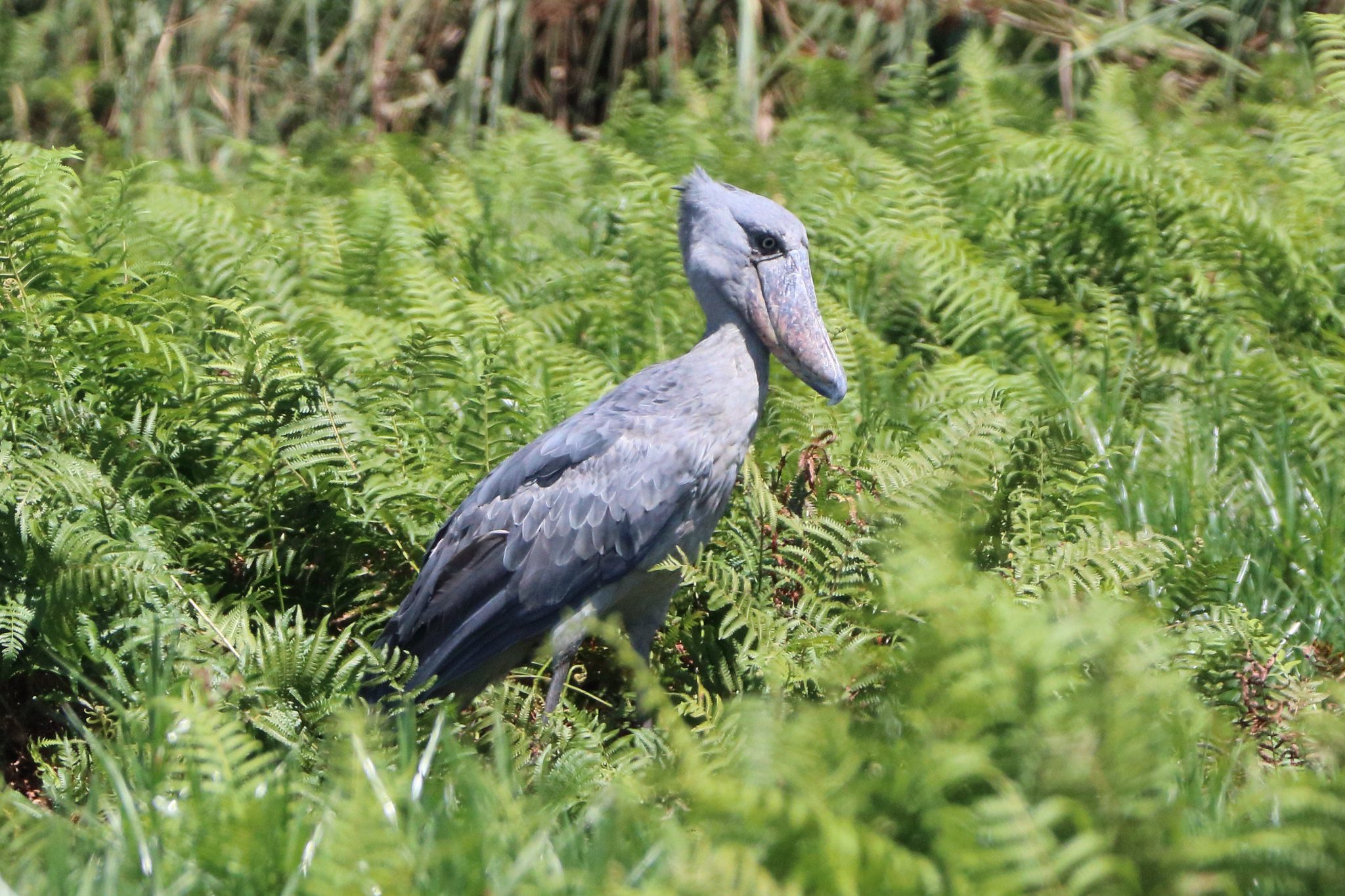
Shoebill Stork (Balaeniceps rex).
Mabamba is perhaps best known as one of the premier locations in Africa to spot the elusive shoebill stork. These magnificent, prehistoric-looking birds are a top draw for birdwatchers. Their distinctive appearance and behavior make them a sought-after species for both novice and experienced birders.
African Jacana (Actophilornis africanus).
The Mabamba Swamp is also a haven for the African jacana, a striking wader known for its long legs and incredible dexterity in navigating the floating vegetation. You’ll often see them gracefully walking on lily pads in search of insects and small invertebrates.
Malachite Kingfisher (Corythornis cristatus).
With its brilliant turquoise and green plumage, the Malachite Kingfisher is a colorful gem frequently seen along the water’s edge at Mabamba. These tiny birds are known for their agile hunting techniques as they dive for fish and aquatic insects.
African Pygmy Goose (Nettapus auritus).
Mabamba Swamp offers a habitat conducive to the African pygmy goose, a diminutive waterfowl species with striking markings and a distinctive whistling call. Their presence adds to the wetland’s charm.
Goliath Heron (Ardea goliath).
The Goliath Heron, one of the world’s largest heron species, can be observed in Mabamba. These statuesque birds often wade through the swamp’s shallow waters, patiently stalking their prey.
The Best Time to Visit Mabamba Swamp
The ideal time to visit Mabamba Swamp for birdwatching largely depends on the region’s climatic patterns and the behavior of its avian residents. While birdwatching can be rewarding throughout the year, the best times to plan your trip are during the following periods.
Dry Season (December to February and June to September)
During these months, the swamp’s water levels are lower, making it easier to navigate the waterways and observe birds. Bird activity tends to be higher as many species are breeding and nesting.
Wet Season (March to May and October to November)
While the wet season brings lush vegetation and a vibrant green landscape, birdwatching can be more challenging due to the higher water levels and dense vegetation. However, this time of year can be excellent for observing migratory birds.
Shoebill Season (December to March)
If your primary goal is to spot the iconic shoebill stork, the best time to visit Mabamba is during its nesting season, which typically spans from December to March.
How a Guided Canoe Excursion Actually Works
A typical Mabamba birdwatching excursion begins with a short drive from Kampala or Entebbe to the swamp’s edge, followed by two to three hours gliding through papyrus channels in a traditional wooden canoe guided by a local boatman who knows the swamp’s bird activity intimately. All in Africa Safaris can arrange this excursion as a half-day or full-day trip depending on your broader itinerary.
Beyond the Headline Species: Lesser-Known Mabamba Birds
Beyond the five species highlighted above, Mabamba supports papyrus gonoleks, various herons and egrets, and a range of migratory species during the wetter months, making even a single visit reward patient, attentive observation well beyond the shoebill alone. A knowledgeable guide can help identify these species as they appear, adding considerable depth to the experience.
Why Mabamba Matters for Global Bird Conservation
As a designated Ramsar wetland of international importance, Mabamba Swamp plays a critical role in supporting both resident species and migratory birds traveling the African-Eurasian flyway, making responsible tourism here directly relevant to conservation well beyond Uganda’s borders. Revenue from birding excursions provides local communities a genuine economic incentive to protect the wetland rather than convert it to other uses.
What to Bring for a Rewarding Birdwatching Day
A good pair of binoculars, a bird field guide or app, sun protection, and a camera with a zoom lens round out the essentials for a Mabamba excursion, given the swamp’s open-water setting and the distances at which some species are spotted. Neutral-colored clothing helps avoid startling birds along the water’s edge as your canoe passes.
What Makes a Good Mabamba Guide Genuinely Valuable
Beyond simply steering the canoe, an experienced guide brings the ability to spot subtle signs of shoebill activity and identify calls before the bird itself comes into view, expertise that consistently makes the difference between a good excursion and a truly memorable one.
Combining Mabamba With Other Uganda Birding Sites
Dedicated birders often pair a Mabamba visit with other strong Uganda birding locations such as Queen Elizabeth National Park or Mabira Forest, building an itinerary that spans wetland, savannah, and forest habitats in a single trip. All in Africa Safaris can sequence these birding stops alongside your wider Uganda wildlife itinerary.
A Short Trip From Kampala, a World Apart
Despite sitting less than an hour from Uganda’s capital, Mabamba Swamp feels genuinely remote once you’re gliding through its papyrus channels, a quiet, unhurried contrast to Kampala’s bustle that many visitors find just as rewarding as the birdlife itself.
Why Papyrus Wetlands Support Such Concentrated Birdlife
Papyrus swamps like Mabamba create a unique layered habitat, open water for waders and waterfowl, dense reed stands for skulking species, and floating vegetation mats for jacanas, that concentrates an exceptional variety of birds within a relatively compact area. This structural diversity within a single wetland is a major reason Mabamba delivers such consistently strong sightings compared to more uniform habitats.
What Makes Shoebill Sightings So Special
Unlike many bird species that can be found across multiple countries or continents, the shoebill’s range is limited to a handful of central and east African wetlands, making every sighting a genuinely rare privilege even among well-traveled birders. Mabamba’s reputation as one of the world’s most reliable shoebill locations is precisely why it draws dedicated visitors from across the globe specifically for this one species.
Respecting the Swamp’s Delicate Balance
Avoiding loud noise, sudden movement, and littering during your visit helps preserve the calm, undisturbed conditions that make Mabamba such a productive habitat for its resident and migratory birds alike.
What First-Time Visitors Often Don’t Expect
Many first-time visitors are surprised by how quiet and intimate the experience feels, no other boats crowding the channels, no engines disturbing the water, just the soft dip of paddles and the sounds of the swamp itself.
The Role of Local Boatmen in Your Experience
Mabamba’s boatmen come from the local fishing community and have spent years learning the swamp’s channels and the seasonal movement patterns of its resident birds, making their guidance genuinely invaluable for spotting elusive species like the shoebill. Tipping your boatman at the end of the excursion is customary and directly supports the community whose knowledge makes the visit so rewarding.
Morning Versus Afternoon Excursions
Early morning departures, ideally starting by 7am, generally offer the calmest water and the most active bird behavior, while afternoon excursions can still be rewarding, particularly for species more active during the cooler parts of the day. All in Africa Safaris can advise on the timing that best suits your specific interests and overall schedule.
Traveling to Mabamba With Children or Non-Birders
Even travelers without a dedicated birding interest often find the canoe glide through Mabamba’s papyrus channels genuinely relaxing, making it a worthwhile addition to a family itinerary rather than something reserved only for committed birders.
How Mabamba Compares to Other Shoebill Locations
While the shoebill can occasionally be spotted at other East African wetlands including parts of Murchison Falls National Park, Mabamba’s concentrated papyrus channels and dedicated local guiding infrastructure give it a consistency of sightings that few alternative locations can match. This reliability is precisely why most Uganda birding itineraries prioritize Mabamba specifically for shoebill viewing.
Booking Ahead During Peak Shoebill Season
Given how sought-after shoebill sightings are, booking your Mabamba excursion a few days ahead during the December to March nesting season helps guarantee an experienced guide and canoe are available for your preferred time slot.
A Wetland That Rewards Patience
Bird activity at Mabamba can shift considerably from hour to hour, meaning visitors who allow enough time and remain patient rather than rushing through the excursion consistently report the most rewarding sightings.
Planning Your Mabamba Swamp Birdwatching Trip
Whether you’re specifically chasing the shoebill or simply curious about Uganda’s remarkable wetland biodiversity, Mabamba Swamp rewards a well-timed visit with one of East Africa’s most distinctive birdwatching experiences. All in Africa Safaris can arrange your guide, canoe, and transport as part of a fully organized Uganda birding adventure, ready to introduce you to one of the continent’s most captivating wetland ecosystems, one quiet paddle stroke at a time.