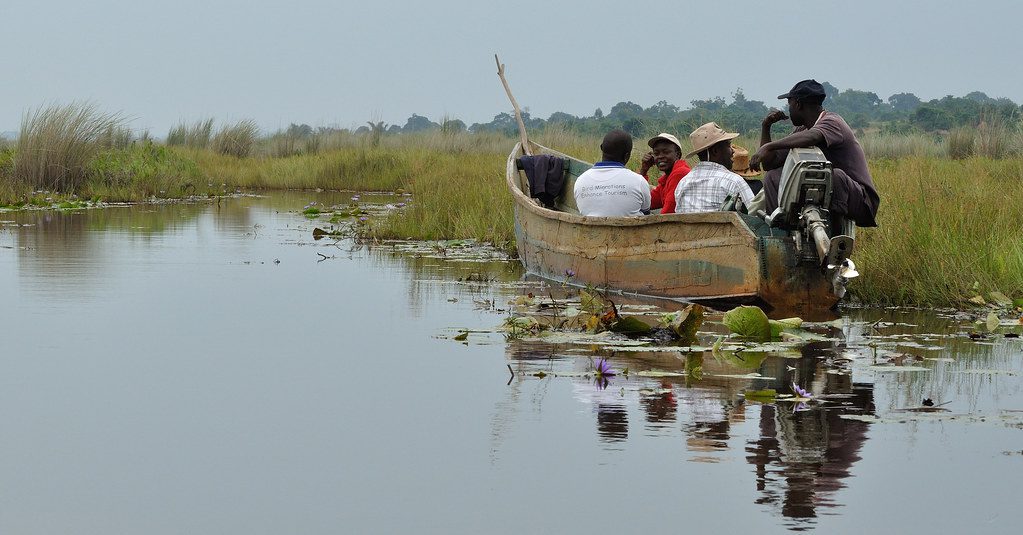
Mabamba Swamp, located in Uganda’s verdant heartland, is a beautiful wetland refuge where nature thrives and the cry of the wild calls. This hidden treasure is recognized for its diverse biodiversity, particularly as the home of the elusive and magnificent Shoebill stork. Accessing Mabamba Swamp is an experience in and of itself, and this guide tries to give you with useful information on how to get there.
Recognize the Mabamba Swamp
Before you begin your tour, you should become acquainted with the location and significance of Mabamba Swamp. This wetland, located along the northern beaches of Lake Victoria, just west of Uganda’s capital, Kampala, covers roughly 30 square kilometers and is part of the Ramsar-listed Lutembe Bay. Over 300 bird species, including the renowned Shoebill stork, rely on it for survival.
Choose Your Transportation
Reaching Mabamba Swamp primarily involves navigating through Uganda’s intricate network of roads and waterways. Here are the key transportation options.
Road Travel.
Start your journey by flying into Entebbe International Airport, the nearest major airport. – From Entebbe, you can hire a taxi or take a boda-boda (motorcycle taxi) to Kampala, Uganda’s capital city, which is about 40 kilometers away. – After reaching Kampala, you have two main road options. either hire a private vehicle or use public transportation. Private vehicles provide more flexibility, but local buses and minibusses, known as “matatus,” are more economical. – Your destination is Kasanje, a small village near Mabamba Swamp. You can access Kasanje from Kampala via a 50-kilometer road trip.
Water Travel.
For a more adventurous and scenic approach, consider taking a boat ride from Entebbe to Mabamba Swamp. This journey on Lake Victoria is an experience in itself and allows you to appreciate the beauty of Uganda’s largest lake. – You can hire a local guide or a tour company specializing in eco-tourism to arrange the boat trip for you.
Make Your Accommodation Plans
Kasanje and the neighboring surroundings provide a wide range of hotel alternatives to meet your needs and budget. Guesthouses, lodges, and even camping grounds are examples. Mabamba Bay Eco Lodge and Lake Heights Hotel in Entebbe are two popular options. It is best to arrange your accommodations ahead of time, especially during busy tourist seasons.
Guided Tours & Birdwatching Mabamba Swamp is best explored with the help of local guides who are well-versed in the topography and animals. Birdwatchers will love Mabamba Swamp, and skilled guides will help you identify rare bird species like the Shoebill stork. Plan your activities ahead of time and hire a skilled guide to get the most out of your animal encounters.
Nature and local communities must be respected.
Remember to be a responsible traveler while admiring the beauty of Mabamba Swamp. Respect the fragile ecology by not littering, upsetting wildlife, or causing damage to wetlands. Engage in culturally sensitive interactions with local communities, and promote sustainable tourism programs that benefit both the environment and local populations.
An Access Route Worth the Planning
Reaching Mabamba Swamp takes a bit more coordination than a straightforward city excursion, but that same remoteness is exactly what keeps the swamp’s wetland ecosystem and its birdlife so genuinely undisturbed compared to more heavily visited destinations.
Why Entebbe Is the Ideal Starting Point
Entebbe’s international airport, combined with its direct lakeside access to Lake Victoria, makes it the natural launch point for reaching Mabamba Swamp regardless of whether you choose the road or water route described above. Many travelers spend their first night in Uganda near Entebbe specifically to make an early departure toward Mabamba more manageable after a long international flight.
Comparing the Road and Water Routes
The road route via Kampala and Kasanje offers more schedule flexibility and generally lower cost, while the direct boat route from Entebbe trades a bit more expense for a genuinely scenic journey across Lake Victoria itself. All in Africa Safaris can help you weigh these trade-offs based on your budget, available time, and interest in the lake crossing as part of the experience.
What to Expect Once You Reach Kasanje
Kasanje serves as the practical gateway to Mabamba Swamp, where local boatmen and guides are based and where the canoe excursions themselves actually launch from. Arranging your guide and canoe in advance through a tour operator avoids any uncertainty around availability once you arrive in this small village.
Timing Your Journey for the Best Birding
Since early morning offers the calmest water and most active bird behavior on Mabamba Swamp itself, timing your road or water journey to arrive by 7am genuinely improves your odds of a rewarding Shoebill sighting. This means departing Entebbe or Kampala while it’s still dark during the drier months, a worthwhile trade-off for serious birders.
Combining the Journey With Other Lake Victoria Stops
Travelers taking the water route to Mabamba can sometimes combine the journey with a stop at the Ssese Islands or other Lake Victoria attractions, making efficient use of a boat already chartered for the crossing. All in Africa Safaris can advise on which combinations make sense given your overall Uganda itinerary and time available.
Road Conditions and What to Expect
The final stretch of road between Kampala and Kasanje is not always fully paved, meaning a reliable vehicle and an experienced local driver make a genuine difference to how smoothly this leg of the journey goes, particularly during the rainy season. Private vehicle transport arranged through a tour operator generally handles these conditions far more comfortably than a public matatu would.
Why a Local Guide Is Worth the Investment
Beyond simply navigating the route to Mabamba, a knowledgeable local guide brings genuine value once you’re on the water, identifying bird calls, reading subtle signs of Shoebill activity, and sharing context about the swamp’s ecology that a self-guided visit would miss entirely. This expertise is precisely why the guided approach consistently delivers a more rewarding outcome than attempting the journey independently.
Currency and Small Practicalities Along the Way
Carrying a modest amount of Ugandan shillings in small denominations is worth doing before heading toward Kasanje, since roadside stops, boatman tips, and any small purchases along the route are handled far more easily in cash than by card in this more rural stretch of the journey. Confirming with your operator ahead of time what, if anything, is already included in your package cost avoids any confusion once you’re on the road.
What Vehicle Type Suits the Journey Best
A comfortable 4×4 or reliable sedan handles the paved sections between Entebbe, Kampala, and Kasanje without issue, though the final unpaved stretch benefits from a vehicle with slightly higher clearance, particularly after rain. All in Africa Safaris matches vehicle choice to current road conditions and group size, ensuring the journey itself stays comfortable regardless of season.
Budgeting for the Journey to Mabamba
Transport costs to Mabamba Swamp vary depending on whether you choose a private vehicle, a shared matatu, or a chartered boat, with private transport offering the most convenience and flexibility at a correspondingly higher price point. All in Africa Safaris can provide a transparent cost breakdown for whichever transport option best fits your budget and schedule.
What Makes the Water Route Worth Considering
Beyond simple transport, the boat journey across Lake Victoria toward Mabamba offers its own scenic rewards, open water views, occasional fishing boat sightings, and a genuine sense of arrival by water that the road route simply can’t replicate. Travelers with a bit of extra time and budget often find this route adds meaningfully to the overall experience rather than being purely functional.
Preparing for Variable Weather Along the Route
Uganda’s equatorial climate means a sunny morning departure can give way to an afternoon shower without much warning, making a light rain jacket and a waterproof bag for electronics worth packing regardless of which route you choose. This is particularly relevant for the water route, where an open boat offers less protection from sudden weather changes than an enclosed vehicle.
Making the Most of a Multi-Stop Kampala Departure
Travelers departing from Kampala rather than directly from Entebbe can often combine their journey to Mabamba with other nearby attractions, making efficient use of a day that would otherwise be spent purely in transit. All in Africa Safaris can help sequence these stops so your route to Mabamba adds value rather than simply covering distance.
Timing Your Return Journey
After a rewarding morning on the water, most excursions wrap up by late morning, leaving the return journey to Entebbe or Kampala comfortably within the same day rather than requiring an overnight stay near Kasanje. That said, travelers wanting a more relaxed pace can arrange accommodation near the swamp for a second early morning attempt if their first outing doesn’t deliver a Shoebill sighting.
Planning Your Route to Mabamba Swamp
Whether you choose the scenic Lake Victoria crossing or the more direct road route through Kampala and Kasanje, reaching Mabamba Swamp rewards a bit of advance planning with access to one of Uganda’s most distinctive wildlife destinations. All in Africa Safaris can arrange your full journey, transport, guide, and accommodation included, as part of a seamless Uganda birding adventure, from the moment you land at Entebbe to the moment you spot your first Shoebill on the water.