
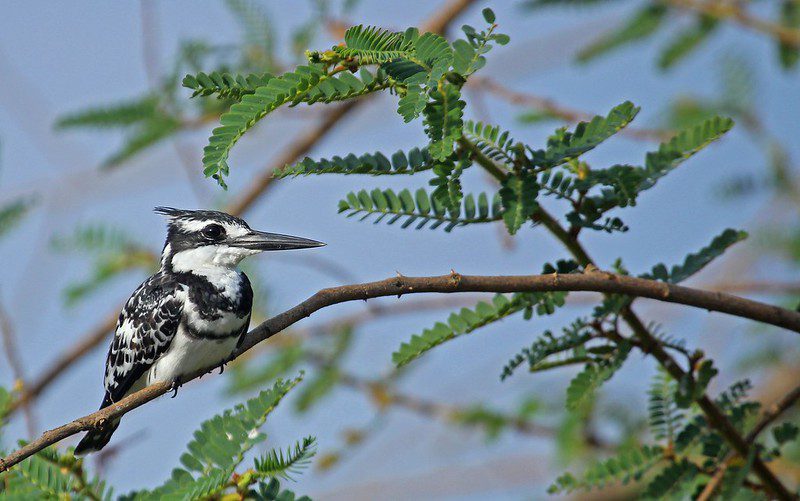
Birdwatching destinations in Uganda
Uganda is a bird lover’s heaven, with over 1,000 different kinds of birds. Uganda provides a unique opportunity to witness some of the world’s most beautiful and interesting birds in their natural environment, from the rare and secretive shoebill stork to the colourful African grey parrot. Join us on a 12-day Ultimate Birdwatching and Wildlife Safari to experience Uganda’s rich bird life.
An introduction to the varied bird life of Uganda.
Uganda has an extraordinary diversity of bird species, making it a popular destination for bird watchers from all over the world. Uganda, with over 1,000 bird species, provides a rare opportunity to watch some of the world’s most beautiful and intriguing birds in their natural environment. Uganda’s bird life is extremely spectacular, with species ranging from the rare and secretive shoebill stork to the colourful African grey parrot.
Uganda’s best bird-watching spots.
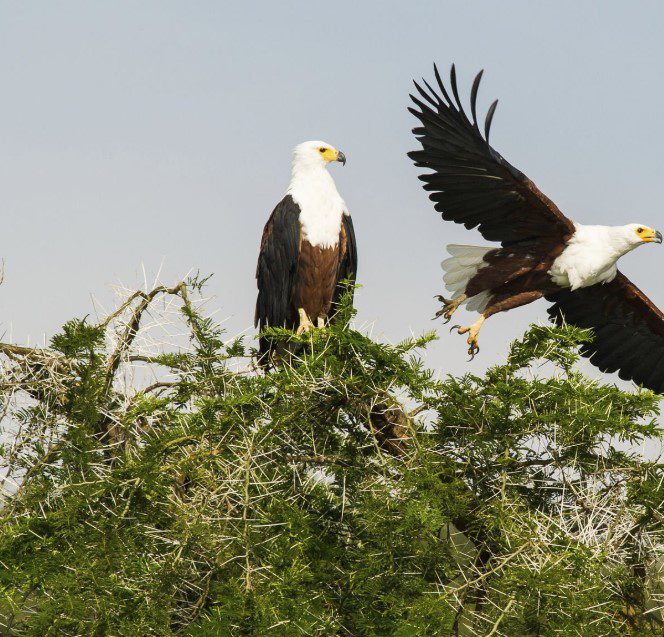
Uganda is a birder’s heaven, with several good places to select from. The Queen Elizabeth National Park, which is home to over 600 kinds of birds, including the African fish eagle and the martial eagle, is one of the most popular. The Bwindi Impenetrable Forest is another must-see attraction, where you may see the rare and endangered African green broadbill. Murchison Falls National Park, Kibale National Park, and Lake Mburo National Park are other excellent places to go bird watching in Uganda.
Look for rare and unusual bird species.
Uganda is home to a number of uncommon and unusual bird species that are likely to pique the interest of any bird watcher. The shoebill stork, which may be found in the marshes of Murchison Falls National Park and Queen Elizabeth National Park, is one of the most sought-after species. The African grey parrot, Goliath Heron, Abyssinian ground hornbill, secretary bird, African green broadbill, and big blue turaco are all uncommon species. Uganda is a bird watcher’s ideal vacation, with so many beautiful species to explore.
Bird-viewing tips for Uganda.
There are a few things to consider while arranging a bird-viewing vacation to Uganda. To begin, carry a decent pair of binoculars and a field guide to assist you in identifying the many species you may observe. It’s also a good idea to dress adequately for the weather and terrain, as some bird-watching areas may include hiking or going through dense foliage. Finally, think about hiring a local guide to help you in exploring the region and locating unusual animals that you might not be able to detect on your own.
Mabamba Swamp: Uganda’s Premier Shoebill Site
Mabamba Swamp, a short drive and boat ride from Kampala and Entebbe, is widely regarded as Uganda’s single most reliable location for spotting the prehistoric-looking shoebill stork, making it a popular half-day add-on for travelers with limited time. Guided canoe trips through the swamp’s papyrus channels also turn up a wide range of other wetland species, making Mabamba a rewarding stop even beyond its shoebill reputation.
Semuliki National Park’s Forest Birdlife
Semuliki, tucked into Uganda’s western Albertine Rift region, hosts a distinctly different bird community from the country’s savanna parks, with numerous Central African forest species found nowhere else in Uganda. Birders specifically chasing a longer country list often prioritize a Semuliki stop precisely because of this overlap with Congo Basin species rarely seen elsewhere on a standard Uganda itinerary.
Best Time of Year for Birdwatching in Uganda
Uganda’s birding remains rewarding year-round given its resident species, though the wet seasons bring an influx of Palearctic migrants between November and April, adding considerably to the species list available at any given site during these months. Photographers, meanwhile, often prefer the dry season’s clearer skies and easier access to wetland sites like Mabamba, even though overall species counts may run slightly higher during the wetter migrant season.
Building a Dedicated Birding Itinerary
A focused birding trip through Uganda typically combines Queen Elizabeth National Park’s savanna and water birds, Bwindi’s forest specialists, and a dedicated Mabamba Swamp shoebill excursion into a single well-paced itinerary, rather than treating birding as a side activity on a standard game-drive safari. All in Africa Safaris can help design a birding-focused route through Uganda’s top sites, sequenced to minimize road time while maximizing species diversity across habitats.
Photography Considerations for Uganda’s Birds
A telephoto lens in the 400mm-plus range makes a meaningful difference for capturing Uganda’s more skittish species, particularly water birds like the shoebill that require patience and distance to approach without disturbing them. Early morning light and the stiller conditions typical of dawn hours generally produce the sharpest images, especially for handheld shooting from a canoe or boat.
Kibale Forest’s Birdlife Beyond the Chimps
While best known for chimpanzee trekking, Kibale Forest National Park also hosts over 375 recorded bird species, including the striking Great Blue Turaco, making it a worthwhile stop for birders even beyond its primate reputation. Many visitors combine a morning chimp trek with an afternoon birding walk through the same forest, adding meaningfully to their trip’s overall species count without requiring a separate destination.
Lake Mburo’s Savanna and Wetland Birds
Lake Mburo National Park, Uganda’s smallest savanna park and the closest to Kampala, offers a genuinely different birding habitat from the country’s forest sites, combining open acacia savanna with lakeside wetland species in a single compact, easily accessible location. Its proximity to the capital makes Lake Mburo a practical stop for travelers with limited time who still want a meaningful birding experience without a long drive west.
Guided Birding Versus Independent Exploration
A specialist local birding guide considerably increases both the number and quality of sightings across any of Uganda’s top birding sites, identifying calls and spotting movement in dense foliage that would otherwise go unnoticed by an independent visitor. All in Africa Safaris can arrange guides with specific birding expertise for travelers building a dedicated birdwatching itinerary rather than a general wildlife safari.
Combining Birding With a Broader Uganda Safari
Most visitors weave birdwatching into a wider Uganda itinerary rather than dedicating an entire trip solely to birds, adding Mabamba Swamp or a Queen Elizabeth boat cruise onto a broader circuit that also includes gorilla or chimpanzee trekking. This approach suits travelers who enjoy birding but aren’t dedicated listers, letting strong sightings happen naturally alongside the trip’s other wildlife highlights.
Murchison Falls: Savanna and Riverine Birds Combined
Murchison Falls National Park offers a genuinely varied birding habitat, combining the riverine species found along the Nile with the drier savanna birds of the Buligi peninsula, making a single boat cruise and game drive combination surprisingly productive for a wide species list. The park’s shoebill sightings, alongside its African fish eagles and numerous raptor species, make it a worthwhile stop even for travelers whose main itinerary focus is classic game viewing rather than birding specifically.
Bwindi’s Albertine Rift Endemics
Beyond its famous gorillas, Bwindi Impenetrable Forest hosts a remarkable concentration of Albertine Rift endemic bird species found in only a handful of locations worldwide, drawing dedicated birders as much as primate trekkers. Guided forest walks focused specifically on birding, separate from gorilla trekking permits, allow visitors to spend focused time seeking out these localized specialists within the same forest that hosts Uganda’s mountain gorillas.
Essential Gear for a Uganda Birding Trip
Beyond binoculars and a field guide, comfortable, quick-drying clothing in neutral tones helps avoid startling more skittish species, while a lightweight rain jacket is worth packing regardless of season given Uganda’s tropical microclimates. A notebook or birding app for logging sightings rounds out a sensible kit for travelers building a serious species list across multiple sites during their trip.
Why Uganda Ranks Among Africa’s Top Birding Countries
Uganda’s position at the intersection of East African savanna, Central African rainforest, and Albertine Rift montane habitats gives it a species diversity that few countries of comparable size can match, packing over 1,000 recorded species into a country roughly the size of the United Kingdom. This habitat variety, more than any single standout site, is what consistently draws dedicated birders to Uganda as a serious rival to more established birding destinations elsewhere on the continent.
Planning Your Birding Trip With Local Expertise
Given how much of Uganda’s birding reward depends on habitat variety and local knowledge of current sightings, working with an operator experienced in birding-focused itineraries, rather than a standard game-drive safari, makes a meaningful difference to your final species count. All in Africa Safaris can help design a route through Uganda’s top sites tailored specifically around your birding priorities and available travel time.
A Destination That Rewards Repeat Visits
Given the sheer number of habitats and species involved, few birders exhaust Uganda’s possibilities in a single trip, and many return specifically to target species missed on a first visit or to explore sites not covered the first time around. This depth is part of what keeps Uganda firmly on the shortlist for serious birders planning their next African itinerary, long after their first shoebill sighting at Mabamba Swamp.
Ready to Plan Your Uganda Birding Trip
Whether your goal is a single unforgettable shoebill sighting or a serious effort to build a substantial East African species list, Uganda’s combination of habitats, established sites, and experienced local guides gives you a genuinely strong foundation to work from. All in Africa Safaris can help turn that foundation into a tailored itinerary matched to your specific birding goals and available time.



No comment